West Green Family Dental

Categories
Dental care

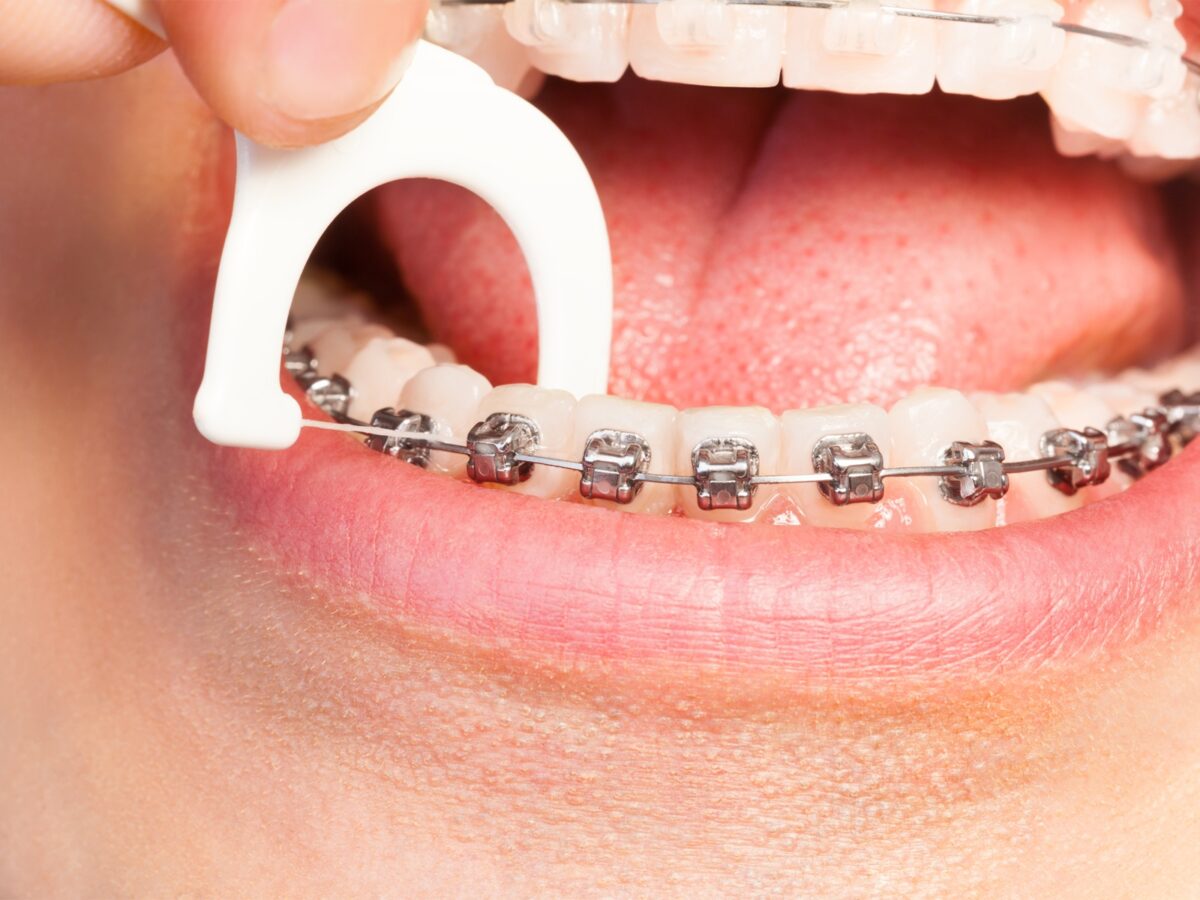
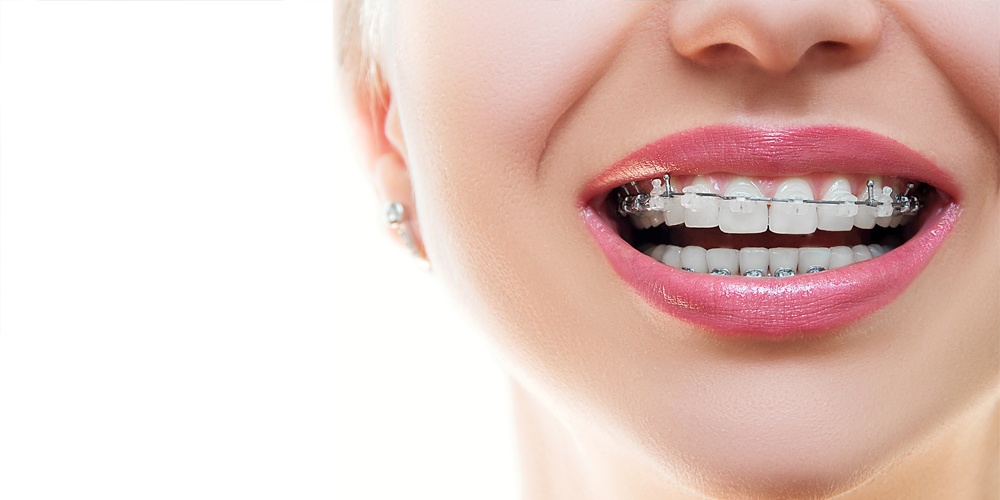
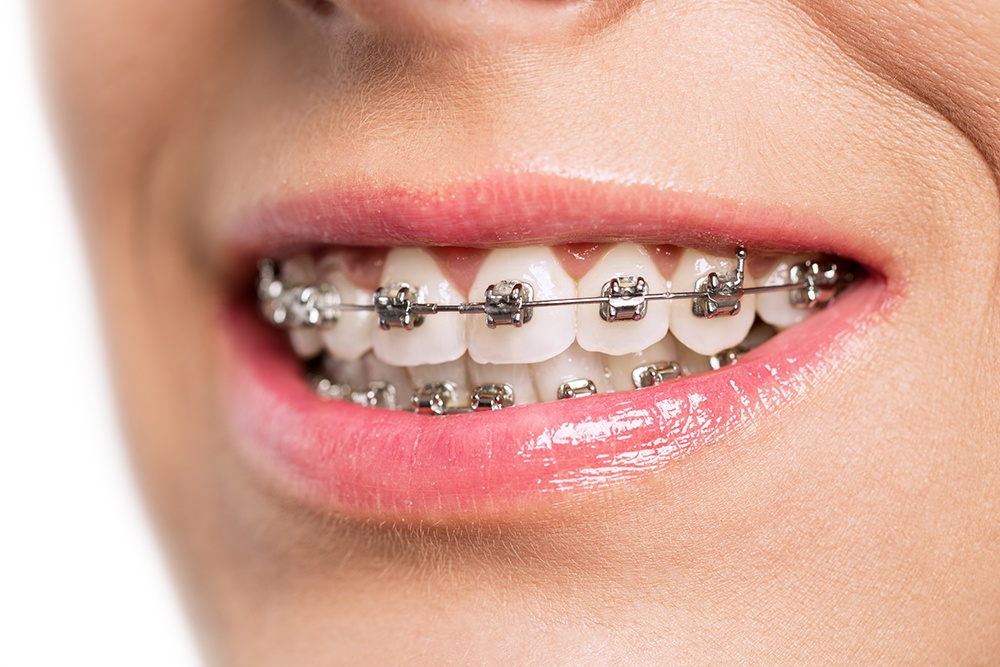
How to keep your braces clean?

“Brace yourself for the smile of the year!”

(Haha! Probably a punchline that we would like to start our TED talk with.)

Braces make your world go on like the movement of a tilt-a-whirl! The best solution to straighten your teeth and to assure that you can have your self-esteem in place. Literally, the best device created by mankind.

Did you know? Braces can do wonders out of voids. Although, some people find it a challenge to manage. But Cypress Family Dentist is here to share some easy-peasy tips to keep your braces clean.

Brush amidst your teeth and braces.
Braces work as an extra shield, but nonetheless, chunks of food particles get stuck and it makes brushing and eradicating the junk very difficult because of nooks and crannies.

What we recommend?
Make sure you brush twice a day for two minutes long. You can also get a small-headed brush that helps to go in between the edges of all nooks-and-corners.

Floss! Floss! Floss!
This goes without explaining its importance. Brushing and flossing the teeth are of prime importance.

What we recommend?
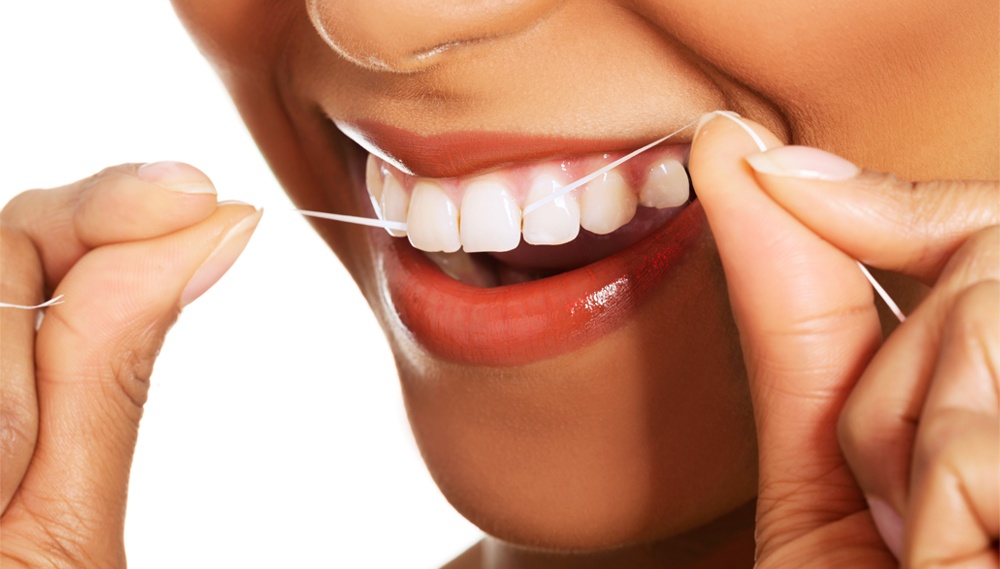
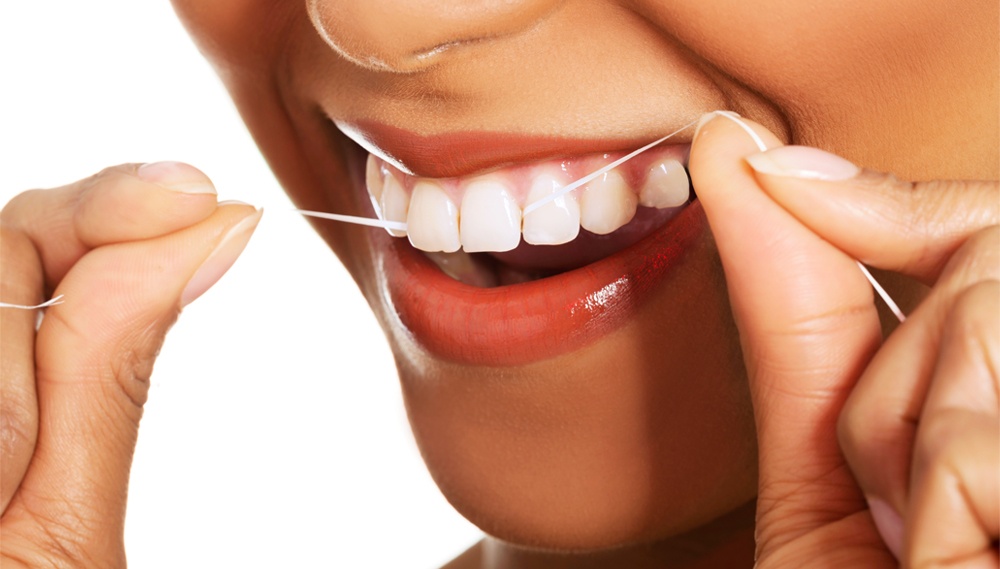
The bits of food particles that are stuck there can be gently removed by the thread of the floss. Make sure you don’t complicate yourself in the whole process and use water or thread flossers instead!

Invest in a quality mouthwash
A mouthwash that contains Fluoride is a must-have. It will protect your braces from any eradication.

What we recommend?
WE ARE HERE FOR YOU!
Don’t forget to ping us with your questions in the comment section below. We’d be happy to serve you! That cheerful smile looks good on you, sweets!

Book Appointment to find out which treatment might be best for you.

Categories
Dental care

Dental Abscess: Symptoms, Treatment And Prevention

An abscess is an infection. Two types of dental abscesses are A periapical abscess, Which takes place at the root of a tooth, and a Periodontal abscess which happens in the gum. A periapical abscess kills the nerve and pulp tissue by getting into the nerve chamber.

On the other hand, Periodontal is a chronic gum infection that weakens the bone and results in bone and tooth loss, if not treated properly. It also triggers infection throughout the mouth which goes untreated for too long, resulting in a pus-filled area which is called the abscess.

Symptoms:

  1. Severe pain that radiates to the jawbone, neck, or ear
  2. Hot or cold tooth sensitivity
  3. Pressure sensitivity
  4. Fever
  5. Swelling in the face
  6. Bad breath
  7. Soreness in neck and jaw resulting from swollen lymph nodes
  8. Rotten taste in the mouth

The discomfort of a toothache is caused by fluid or gases that build up inside the tooth. Sometimes the infection creates a bubble on the gum. Once this bubble pops, the infection drains into the gum tissue and mouth, and the pain goes away. This just means the pressure is relieved.

Treatment:

Once an abscess is diagnosed, you can certainly follow a few methods of treatment. Antibiotics can be given to destroy the bacteria, however, the major issues of an infected tooth, dying nerve, or periodontal disease should be dealt with seriously.

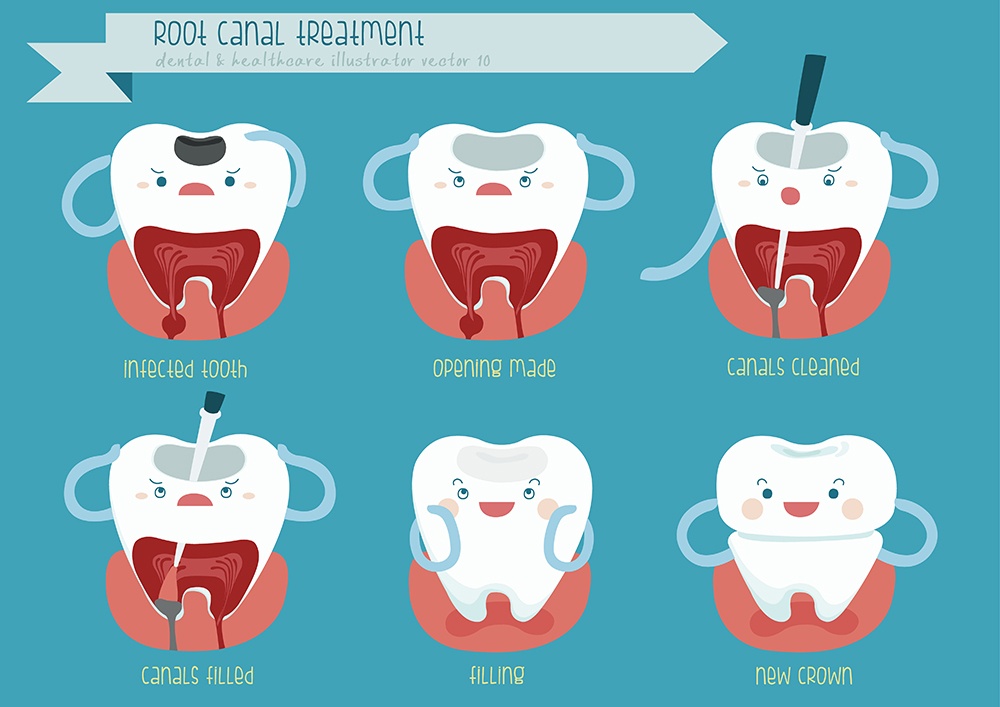
If the abscess is caused by a dying nerve, a root canal is recommended to clean out the infected tissue. A crown or cap can be placed over the tooth to preserve the remaining tooth and prevent further breakage.

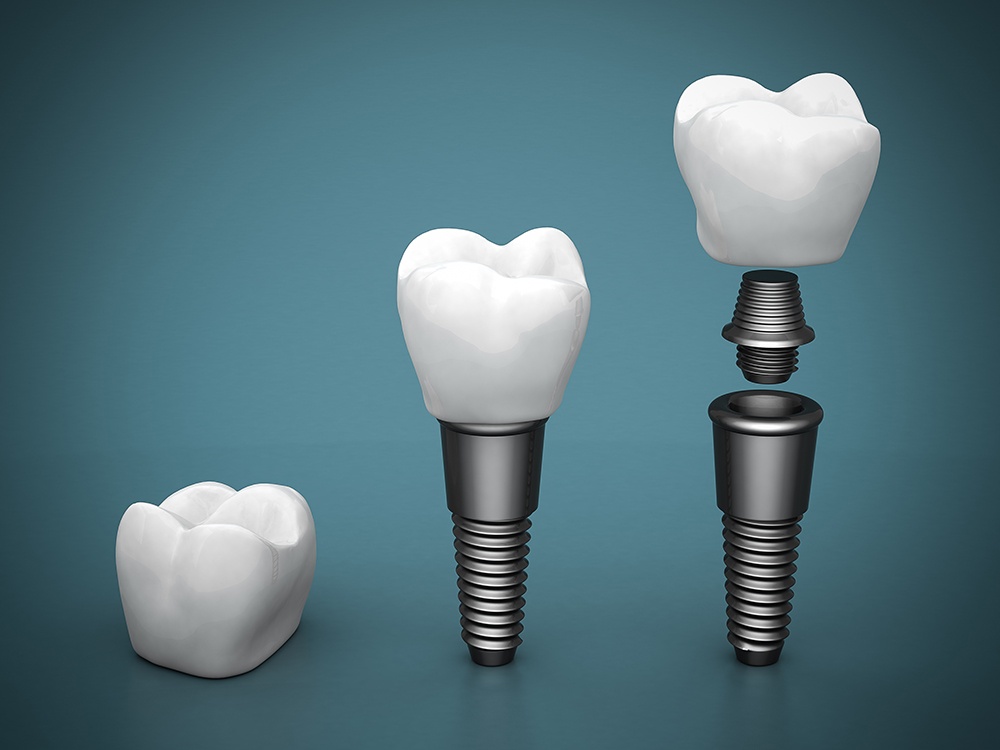
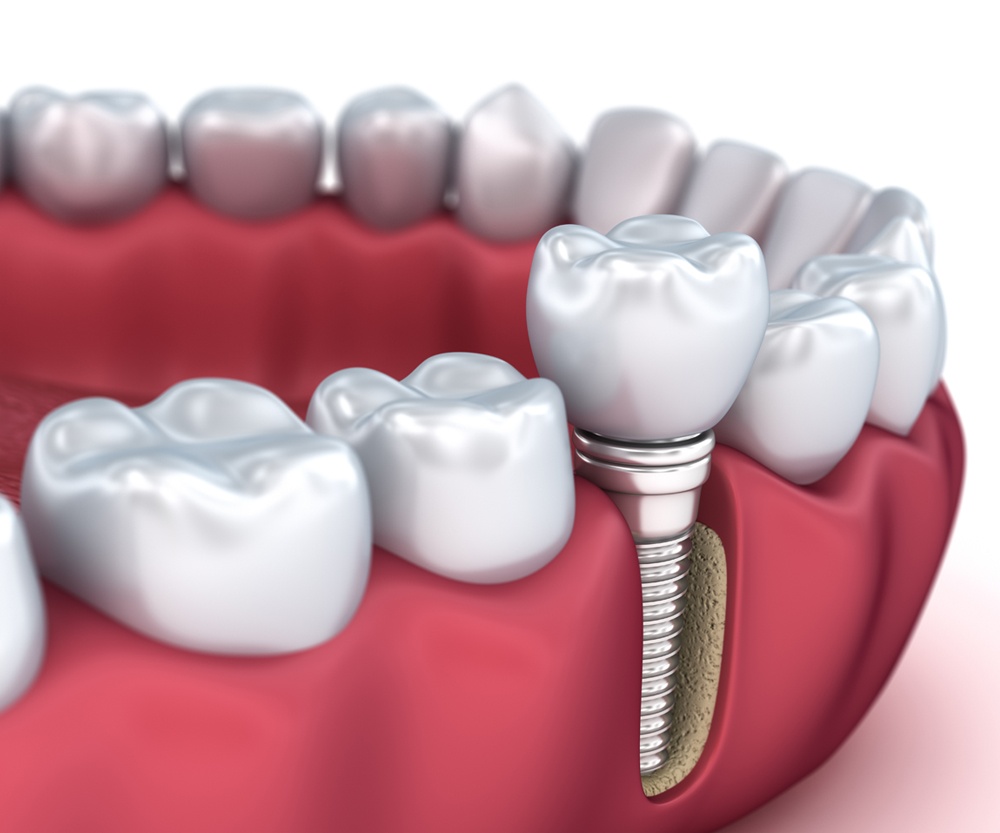
If the infection has gone too far, an extraction might be suggested, and an implant with a crown on can be put in its place.

If the abscess is due to periodontal disease, root planing and scaling is suggested. This is a deep cleaning done with specialized instruments.

Prevention:

It is not always possible to avoid a sudden traumatic impact, however, there are plenty of other ways to prevent decay and periodontal disease:

  1. Visit your dentist for professional cleanings
  2. Brush and floss your teeth twice a day
  3. Replace your toothbrush every three or four months
  4. Drink tap water or fluoridated bottled water
  5. Watch sugar and carbohydrate intake
  6. Use a mouth rinse before bed

With a little care, you can prevent dental abscess before it develops, thereby saving you from the inconvenience of a toothache.

Book an Appointment to find out which treatment might be best for you.

Categories
Dental care

Jaw Pain And Its Possible Causes

Jaw pain can have various causes but on the other hand, dentists have multiple ways to address this issue. Listed below are a few reasons that state why your jaw is aching:

TMJ Disorder
Temporomandibular joint on each side of your jaw acts as a hinge that connects your jaw to your skull. TMJ can also act up just like the other parts of your body. Being one of the most common reasons of jaw pain, TMJ affects 1 in 8 people. Characterized by pain and restricted movement, TMD affects the joints that connects the jawbone to the skull. Symptoms include pain, tenderness in the jaw area, neck, shoulders, face and ear along with clicking sounds. The most common treatments for TMD that have been known since long are muscle relaxants, a mouth guard, and dental procedures to correct bite problems and balance biting surfaces. Home remedies are also applicable, including over-the-counter medications, relaxation therapy and so on.

Teeth Grinding
Teeth Grinding also leads to jaw pain. In addition to this, stress and anxiety are also common triggers for teeth grinding. Worst cases lead to TMJ disorder. Mouthguards and dental procedures are also recommended by some dentists.

Gum Disease
Gum disease is an infection caused by tissues and bones supporting the teeth. Factors like poor oral health habits and skipping dental visits contribute to the buildup of plaque. If you experience signs of gum disease, like bad breath, pain while chewing, receding gums, bleeding and swollen gums. The only way to prevent such signs is by using proper oral hygiene.

Affected Wisdom Tooth
Wisdom tooth comes in between ages 17-25. It could be trouble your jaw, being impactful. You may experience acute pain and swelling, but that’s normal. A tooth extraction, in this case would be the right step. Even after extraction, it can take some time for the infection to clear up.

Sinus Pain
Sinus, allergies and cold can be causes of jaw pain. Patients can try nasal spray and if the pain clears up, they can see their dentist to take care of oral health.

Cavities Left Untreated
Cavity discomfort can also trigger jaw pain. With regular dental checkups, you will be able to make sure that cavities don’t get undetected and untreated. Cavity symptoms that you shouldn’t ignore are, persistent toothache and pain, pain while chewing food, bad breath or taste in mouth, increased temperature sensitivity, dark spots on teeth, bleeding while brushing, swelling in the different parts of gums and so on.

Want to know more about treating jaw pain? Call us today!

Book Appointment to find out which treatment might be best for you.

Categories
Dental care

Your Oral Health Definitely Needs A Treat

A mouth full of cavities is way more scarier than ghosts and ghouls. As the festive season approaches, it becomes important to practice proper dental health care, especially in youngsters. As we all know the festival brings sweet treats along, preventing tooth decay becomes the priority. So, don’t let your teeth get tricked and follow a healthy oral care routine to keep them away from cavities.

One of the most common diseases of children aged between 6-11, Tooth decay has a severe effect, if not controlled on time.

It is important to brush twice a day to get beautiful teeth. Not only this, getting a fluoridated toothpaste and flossing once a day is also equally important. You can’t forget these basics like brushing twice a day and flossing while sleeping.

Candies are even worse for your teeth, especially the sticky ones because they get stuck between the teeth. Regardless of which candy or sweets you eat, it is recommended to brush afterwards.

You can’t tell your kids not to have candies, so the best way to approach is to have them eat a small amount in one sitting followed by brushing.

Halloween is a festival of snacks and constantly snacking throughout the day puts your child at a greater risk for cavities. Instead, you can try mouth-healthy foods to snack, like raw veggies and crisp fruits.

Beverage choice is another important thing to keep in mind. Choose water when thirsty instead of sugary drinks. Go for milk during the mealtime. Also, you can chew a piece of sugar-free gum that has Xylitol which slows down the growth of bacteria.

Chewing sugarless gum is another great replacement instead of brushing, it keeps the teeth clean in the long run.

Use fluoridated toothpaste and practice right brushing techniques to make sure you brush both the teeth and gums. However, fluoride rinse is not recommended for children younger than 6 years. It causes risk of taking higher than recommended fluoride.

Above all of that, practicing healthy dental care habits at home is important. Do not forget to take your kids for dental checkups. Early checkup will reassure that you are helping your child with proper oral care.

Book Appointment to find out which treatment might be best for you.

Categories
Dental care

Why We Screen for Oral Cancer?

Cancer is known to everybody, but usually the most common ones, like, lung, breast, skin and so on. But since at Westgreen Dental & Orthodontics, we are concerned about the health of your mouth, we keep an eye out for oral cancer.

Oral cancer should not be an afterthought since it is the most prevalent forms of cancer causing mortality. Unlike any other form of cancer, oral cancer can occur all over the mouth, including the lips, tongue, cheeks, floor and hard palate. If caught early, oral cancer can be successfully treated. So, here the emphasis is to be given on the word “early”.

Oral cancer screening involves lifting the tongue and checking the glands to spot the cancerous areas. Many people believe that if they don’t smoke, they won’t develop oral cancer. However, it’s not true. Approx 20% of people who don’t smoke are diagnosed with Oral Cancer.

More and more young patients are developing oral cancer due to HPV (Human Papillomavirus). This virus holds a great connection with cervical cancer but it is also known to increase the risk of oral cancer. Oral cancers discovered at later stages are usually due to patients skipping regular dental examination.

Symptoms to look out for Oral Cancer:

  • Bleeding in the mouth
  • Soreness in the back of your throat
  • Numbness in the face, mouth, neck or ear
  • Difficulty in chewing, swallowing or speaking
  • Hoarseness in voice
  • Sudden weight loss

How our dentists look out for oral cancer?

At Westgreen Dental & Orthodontics, our dentists feel for lumps or irregular changes in the mouth, face, head or neck. They also check sores, or discolored tissue and analyze about any of the symptoms given above.

So, if you have been skipping twice-yearly cleanings, now is the time to act upon. It will reduce your chance of developing gum diseases and also control oral cancer to advance at a later stage.

Schedule your next appointment today.

Book Appointment to find out which treatment might be best for you.

Categories
Dental care

The Interesting Facts About Dental Crowns

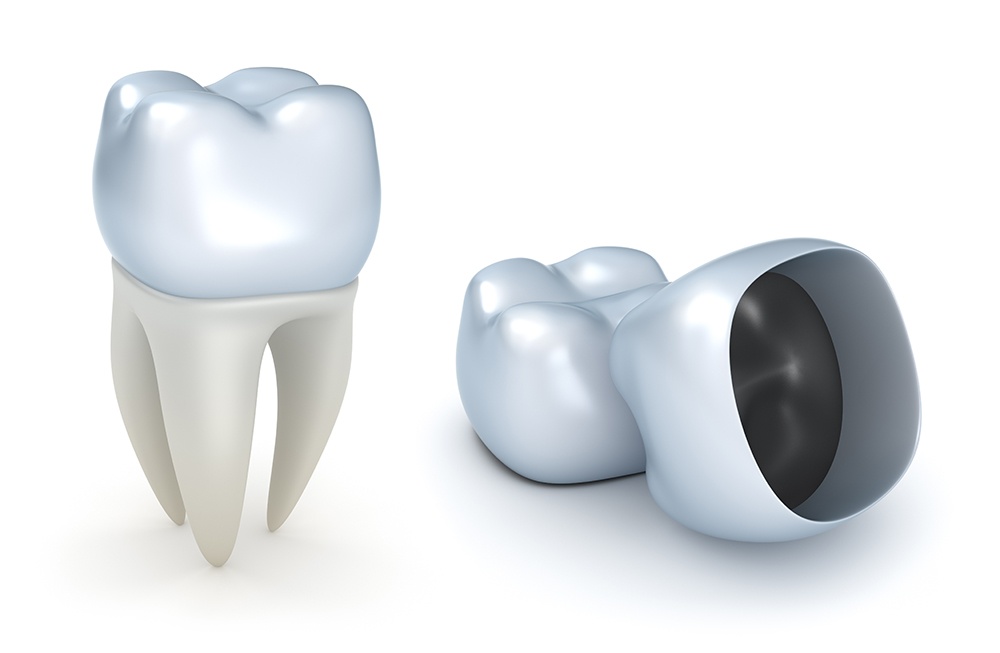
There are a lot of people in America who have dental crowns placed in their smile. Dental crowns have become a popular way to restore damaged or decayed teeth, while still restoring its look, shape and functionality.

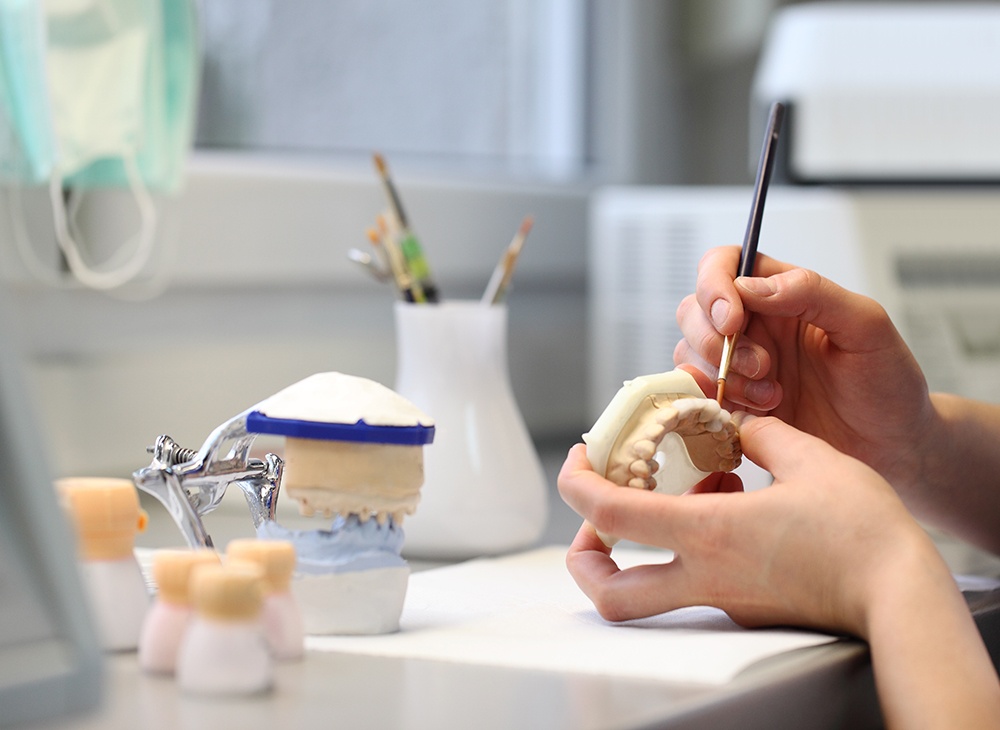
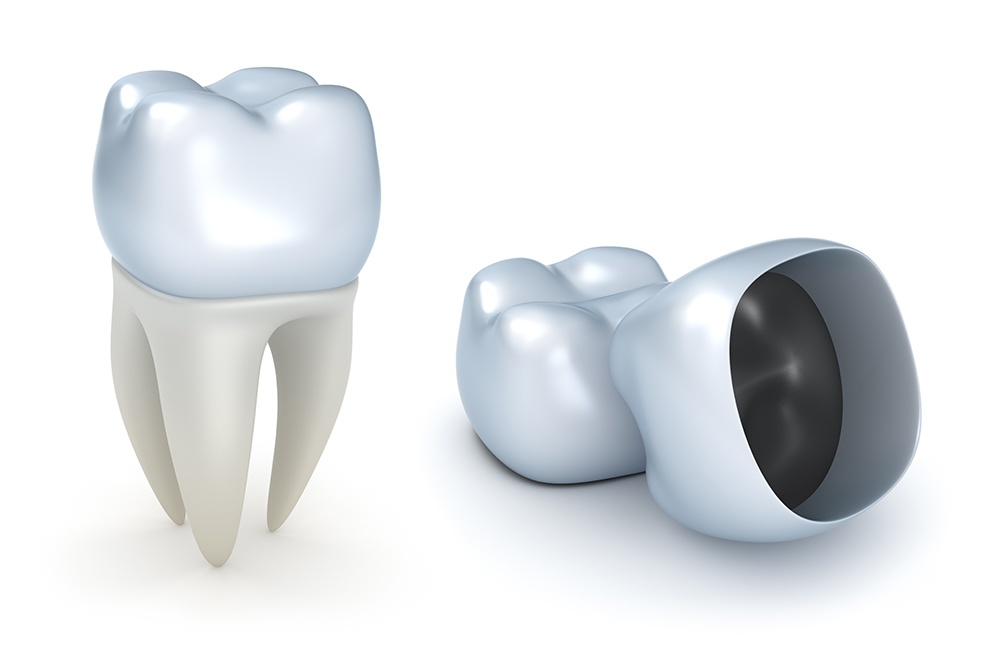
Dental crown includes a cap that is customized to cover a patient’s tooth. This procedure not only restores a tooth’s shape and size but also increases its length to enhance performance. In a successful procedure, the crown is cemented in place, thereby perfectly encasing the tooth for full protection.

Crowns are often required for the following reasons:

  • Large cavities that are difficult to be filled
  • Missing teeth when a bridge is required
  • Cracked or worn teeth
  • Restoration after a root canal
  • Cosmetic reasons like a badly shaped teeth or discolored teeth

Different Varieties of Crowns
Crowns are categorized as permanent and temporary. They are made from different materials depending on the patient’s needs and preferences.

Stainless Steel
They are typically a temporary solution to protect a tooth or filling while a permanent crown is being prepared. They are used for children to protect a primary tooth from additional decay, this way the permanent teeth arrives and crown comes out naturally.

Porcelain-Fused-to-Metal
This crown type is an excellent option for front and back teeth. It can also be used when a bridge requires the strength provided by the metal. The advantage of having a porcelain is its appearance. The color can then be matched to the neighbouring teeth. Porcelain shows more wear, can chip or break off over time.

Temporary
Temporary crowns are often made of acrylic-based material or stainless steel.

Metals
Metal crowns make use of alloy with a high gold/platinum content. A base metal alloy is also used like cobalt chromium and nickel-chromium. These alloys can easily withstand the long term biting and wear and tear.

All-Resin
Dental crowns made entirely from the resin are not as expensive as other crown types. They also have the potential to wear down or fracture at a higher rate as compared to porcelain-fused-to-metal crowns.

All-Ceramic or All-Porcelain
They are considered to be the best choice as they provide a natural color match that is far better than other choices.

At Westgreen Family Dental, we firmly believe that your oral health directly affects your overall health and we are ready to take care of any of your dental problems. Schedule an appointment and get the smile you’ve always wanted.

Book Appointment to find out which treatment might be best for you.

Categories
Dental care

Why You Should Get a Mouthguard for Your Child?

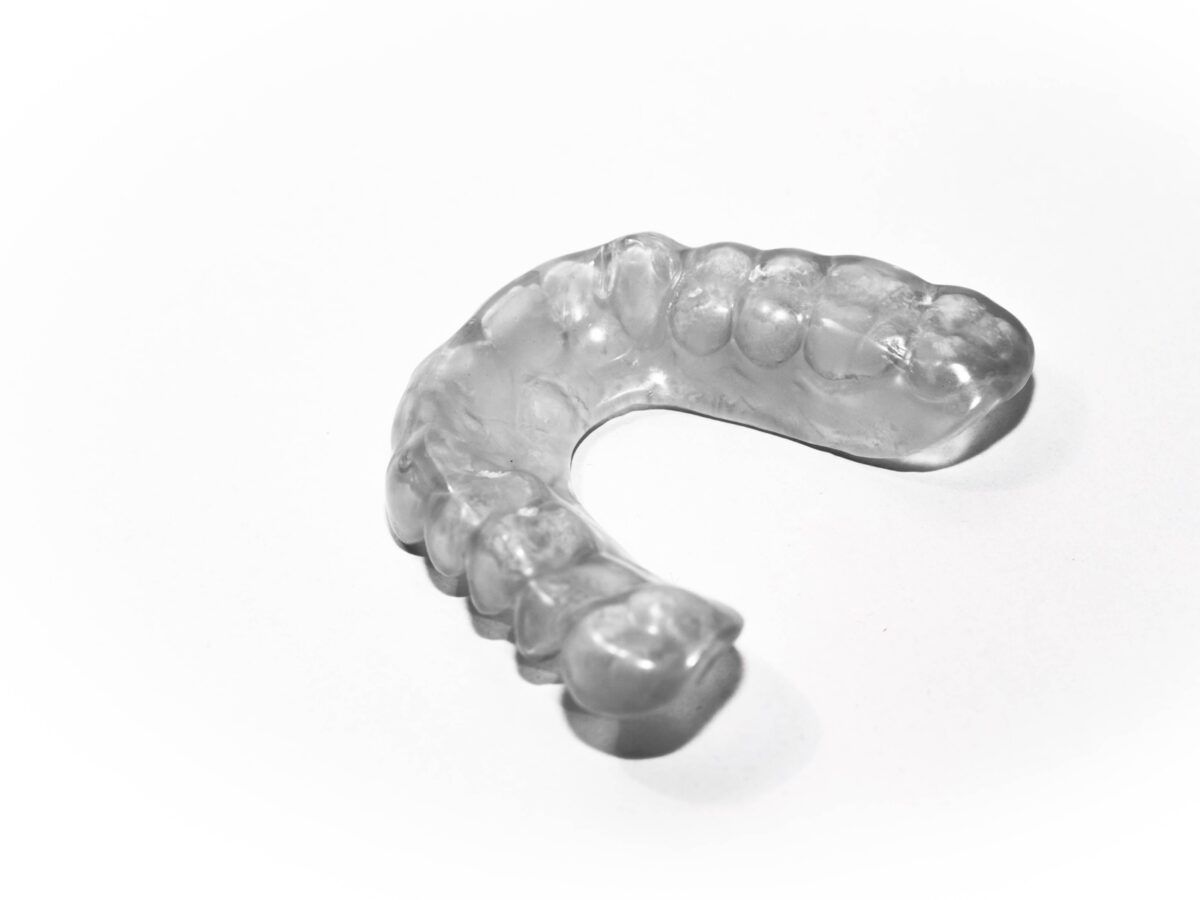
Protecting your kid’s smile while playing sports is extremely important. There are a large number of contact sports that requires children to wear mouthguards to protect teeth from the force of an impact. According to the research by ADA, more than 200,000 oral injuries are prevented every year by wearing a mouthguard. Mouthguards not only prevent chipped, broken or crooked teeth but also the lips, tongue and face that help redistribute forces from a blow to the head. The composition or material with which a mouthguard is design could range from soft plastic or sturdy acrylic.

Which Sports Require Mouthguard
As discussed above, mouthguard are only used for contact sports like Rugby, Hockey, Football, Netball and Basketball. These sports come with a higher risk of players and sports equipment colliding with the face.

Apart from contact sports, mouthguards can be vital for preventing injury associated with cricket ball, gymnastics, skateboarding, cycling and rollerblading. These all put children at risk of falls onto hard surfaces.

What Type of Mouthguard Is Right for Your Child?
An effective and ideal mouthguard should be one that is easy to clean, durable, tear resistant, odorless and tasteless. It should not limit breathing or create hindrance in the speech. Should stay in place without having to bite down.

The different types of mouthguard available are:

Stock Mouthguards
They are the most common type of mouthguard you will find. They are designed from Rubber or Polyvinyl. Since they are pre designed, they can’t be accommodated to fit in one’s mouth. The drawback associated with Stock mouthguards is their bulkiness. It offers the least comfort and protection since your child will need to bite down to hold it in place. This also creates difficulty in breathing and speaking.

Custom-fitted Mouthguards
As the name suggests, custom-fitted mouthguards are designed to individually fit into one’s mouth shape and size. They are designed with a special harder outer layer to protect your teeth and soft tissue. Custom made mouthguards are inexpensive and the procedure can also be performed only at the dental office.

Mouth Form Guards
There are two varieties, shell liner and boil-and-bite mouth guards. The former is made of acrylic gel or rubber that molds to the teeth. Boil-and-bite is made of a thermoplastic material which is placed in the mouth to shape around the teeth via finger and tongue pressure. It can be reheated every time when required.

If you are still not sure about which Mouthguard to get for your child, consult our dentists today. They keep your child’s teeth and mouth safe by reducing the risks associated in contact or any other kind of sports. Mouthguards go a long way to prevent mouth injuries. Therefore, it is always a good idea to get mouthguards for your child.

Book Appointment to find out which treatment might be best for you.

Categories
Dental care

How You Can Have Dental Implants in Just One Day

The total time required to get Dental Implants has always been a topic of discussion. In this blog, we”ll tell you how can you get Dental Implants in just one day. Read below to know how?

Yes, you heard right, it is possible to have Dental Implants in a single day.

The process involves inserting a single implant and placing a temporary crown on the Implant the same day it is placed. This calls for immediate dental replacement. The patient only needs to return for follow up when the permanent crown is ready.

To make the process effective and successful, it is important to analyze whether the patient is eligible for same day Dental Implants or not. Our dentist performs an initial examination for the same.

Patients with a strong bone structure have high success rate reported for this procedure. Bone structure that supports the mandible is one of the most important factors for this process. A strong and healthy jawbone during this process will help strengthen the bone around the Implant.

Now let’s understand the Implant process in detail:

Implant Placement
Our dentist places the implant via surgical intervention in the upper or lower jaw. The implant is then placed to secure it. Sometimes a bone graft is required before or during the placement of Implant.

Osseointegration
It is a very basic process. Implants will only function if the jaw actually grows around the implant and accepts it as a part of the bone. The healing process takes about 3 months.

Teeth Replacement
The dentist will place a customized temporary crown which is made to the exact dimensions of the tooth to be replaced.

So, having Dental Implants in a day is quite a simple process. It does not come with any kind of risk or complications.

Book your consultation with us today. We will be happy to help you smile again.

Categories
Dental care

Gum Disease in Children

Gum disease is often misinterpreted as a disease common only in adults. However, this is not the case. Teenagers as well as young children are also at risk for gum disease. It requires a treatment for kids too.

Gum disease is a condition that develops when bacteria and food debris accumulates on the teeth and forms a sticky plaque. As the plaque starts hardening, it develops into tartar. This ultimately results in gums to become swollen and red. The more it worsens, it can cause the teeth to become loose and damaged. In children, the milder version of gum disease, i.e. gingivitis is more common.

Symptoms
The early symptoms of gum disease are puffy, swollen and red gums. They also bleed during brushing and flossing. Bad breath is also a sign of gum disease that does not go away with brushing and flossing. As the disease progresses, your child may develop pockets below the gums around the teeth.

Causes
Teenagers could see issues with their gums during puberty. Progesterone and estrogen are two hormones that leads to blood flow, making the gums even more sensitive. A poor dental hygiene is one of the major causes of gingivitis in children.

Treatment and Prevention
The first step to prevent your child from getting gum disease is to help them practice good dental hygiene. Tell them to brush their teeth at least twice a day. Additionally, establishing a good habit of flossing once per day will help.

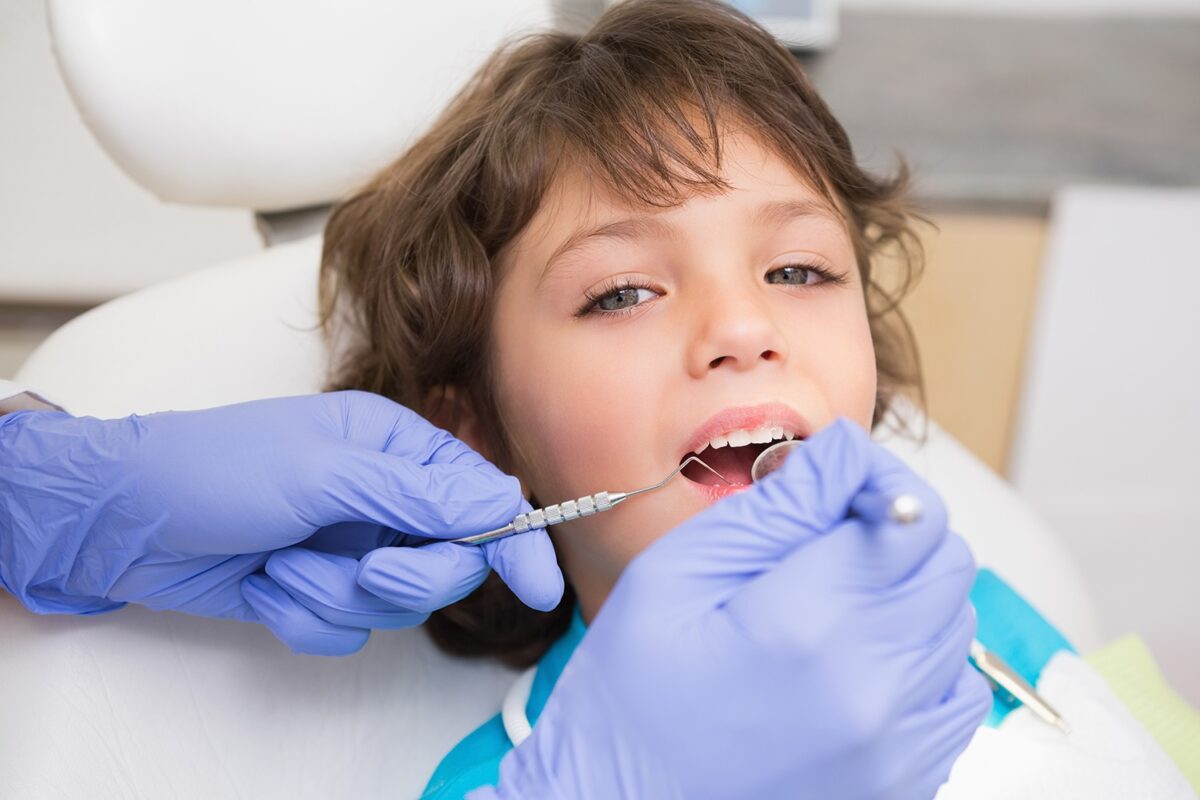
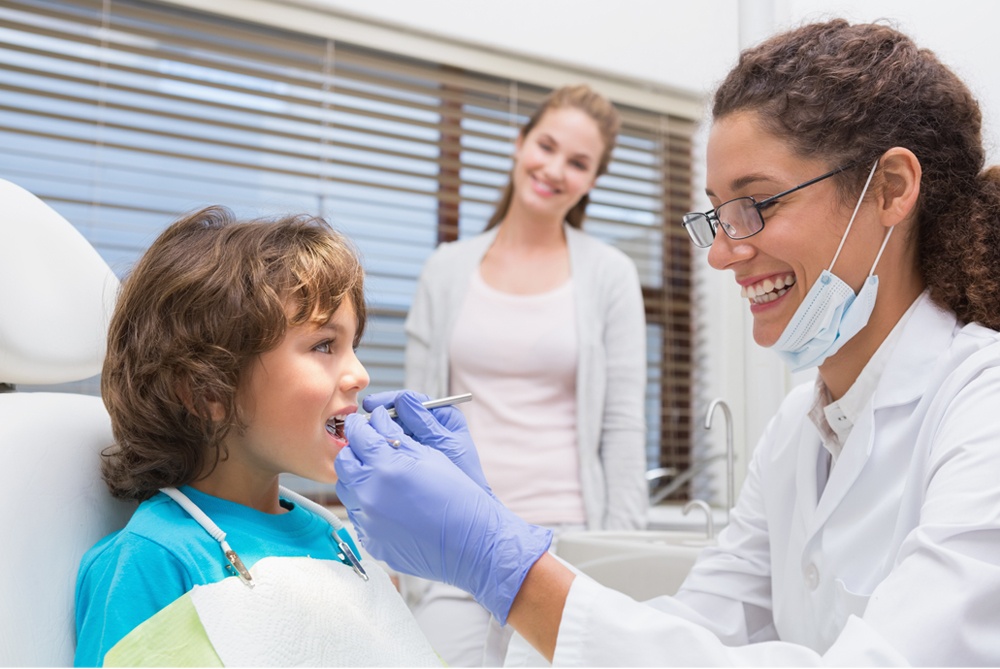
Take your child to Cypress Pediatric Dentist after his/her first birthday. Once your child sees the dentist by his first birthday, you should continue to schedule an appointment every 6 months for a checkup or cleaning.

If your child develops a mild form of gingivitis, it can be easily treated via professional dental cleanings and developing a good oral hygiene. However, a gum disease treatment for kids might be necessary if the condition worsens. This could lead to deep cleaning, oral rinse, antibiotics and other medications. In the advanced stages, surgery is the only option left.

We aim to provide exceptional and individualized care to children in a fun and friendly environment. By offering comfort-focused child care, we have been helping your child achieve an oral health that lasts lifetime. If you think that your child may be suffering from gingivitis, book an appointment with us today. We will help diagnose the problem, determine how far the disease has progressed and recommend the right treatment.

Book Appointment to find out which treatment might be best for you.

Categories
Dental care

Dentist in Cypress Will Help You Redesign Your Smile

Whether you are looking for emergency dental services or simply looking for an experienced family dentist to look after routine oral health care of your family, Cypress Dentist in Texas should be your first point of contact. They provide general, cosmetic, restorative and emergency dental services for adults and children. From the moment you walk in to our practice, till the completion of treatment, we want you to be comfortable. Right from complete exam and cleaning to full mouth restoration or anything in between, we provide you with exceptional care to enhance the natural beauty of your smile.

How Our Smile Makeover Services Will Redefine Your Smile?

Dental Implants
These are natural looking, long lasting, and a safe alternative to bridges or dentures. Made specifically for restoring missing teeth, dental implants redefine the ability to eat and laugh comfortably. They completely stimulate a natural tooth in form and function and are an ideal replacement for the root of missing teeth. Other than restoring natural appearance in the mouth, dental implants preserve facial structure and prevent bone deterioration.

Our dentists will give you the best implant options to replace single or multiple missing teeth.

Fillings
Tooth colored fillings are a safer, stronger and more attractive alternative to amalgam or silver fillings. They bond directly to the tooth and provide strength. Can even be custom-colored to match your teeth and give the most natural looking smile possible.

Amalgam fillings expand and contract when exposed to temperature changes, thereby weakening the tooth wall. They are more aesthetically pleasing alternative for patients.

Dental Crowns
Crowns are a lasting restoration for a tooth that requires full coverage protection due to decay or in danger of being broken or damaged. It covers the entire tooth and can be made of variety of materials like porcelain which gives the most natural appearance.

Teeth Whitening
Shading of your teeth can affect the overall appearance and have a positive impact on the way you look. Staining on your teeth occurs as a result of smoking, medication, certain food and drinks. Patients with stained or discolored teeth should opt for a whitening procedure to brighten stained, discolored or yellow teeth. We can help you pick the most relevant method of whitening for you.

These safe and effective cosmetic solutions will definitely help you get the smile of your dreams. Contact our dentists today to see how we can help you get a bright and dazzling smile.

Book Appointment to find out which treatment might be best for you.

Categories
Dental care

Aftercare Related to Teeth Whitening

If you live in Cypress, TX, you will find a friendly and comfortable environment amongst a team of dentists who are known for their willingness to take the time out to explain procedures to patients. At Cypress Dental Office TX, we offer the best cosmetic dentistry services that remodel your look with a youthful and bright smile. Amongst the many cosmetic dental procedures, teeth whitening is one of our reckoned specialties. Getting teeth whitening is one thing and maintaining it is another. Once your teeth are ready with a proper luster and redesigning, you need to invest a bit more on them via an aftercare. This can only be done by following some simple steps like:

Avoiding Stain Causing Food
Avoidance of soda, pickles, oranges, lemons, limes and any other acidic food or drink is a must. This is because whitening treatment causes the teeth to become temporarily porous, thereby making them vulnerable to staining.

Avoid Hot and Cold Meals
Teeth becomes sensitive after a whitening procedure, therefore, you should avoid meals that are either too hot or too cold. Rinsing your teeth after eating also helps in the long run.

Use an Anti-Sensitivity Gel
While extreme discomfort and pain is not seen in teeth whitening procedures, however, patients often experience heightened sensitivity along with tingling sensation. To combat this, it is often advised to use an anti-sensitivity gel. If sensitivity occurs, the solution must be placed in custom trays and worn for 30 minutes until the discomfort subsides.

Eat Only White Foods for 15 Hours After Your Treatment
Patients can enjoy chicken, white rice, cauliflower and skim milk during this time. It is good to avoid colorful or stain causing food like red meat, tomatoes, broccoli, coffee, tea and wine etc.

Adopt a Strict Oral Hygiene
If you keep bushing, flossing and visiting the dentist regularly, you won’t have to make any adjustments to your post treatment regimen. However, if something goes missed out, you must start brushing twice a day immediately and after every meal. Flossing a day also helps to get rid of poor oral health.

Use Mouthwash After Every Meal
Doing this helps to get rid of lingering food particles and extra acids that wears down the enamel, making them vulnerable to discoloration.

Enjoy your new smile by getting teeth whitening with our expert assistance. Depending on your teeth whitening procedure, your teeth will be able to retain their texture and brightness for a year or more. If you still have any questions, feel free to reach out to our dentists.

Book Appointment to find out which treatment might be best for you.

Categories
Dental care

Dentures: A Quick Guide to Care

Proper denture care requires more than just soaking in water and cleaner. Maintaining dentures is a vital part of oral health. Patients wearing dentures should know how to take care of them and how they function. Proper care keeps both your mouth and dentures in proper shape. Listed below are some helpful tips that explains the right way to clean and take care of your dentures.

Cleaning
In order to clean dentures, it is important to remove and rinse them after meals. If not clean, be sure to rinse and brush your dentures after every meal. You can either use denture cleaner or a mild soap to remove plaque, food and other particles. Brush your teeth and clean your tongue, cheeks and roof of the mouth. Soak them in a solution overnight. Avoid using a whitening toothpaste, abrasive cleaning item or any kind of products with bleach to clean dentures.

Managing Dentures
Before putting dentures back to their position, rinse them thoroughly, especially when a cleansing solution is used. If ingested, the chemicals used in solution can cause vomiting, pains and burns. Dentures are very delicate and can break if they are easily dropped. Hold dentures using a soft towel when handling them.

How Dentures Work?
Dentures are made for patients who have lost almost all of their teeth. They are easily removable that look nearly identical to natural teeth. They also function the right way allowing people to eat, smile and speak normally. Other than just improving the oral health, dentures also take care of facial structure and smile, thereby contributing to a youthful appearance.

When Do Dentures Need to Be Replaced?
If teeth in your dentures are considerably worn out, you should consult a dentist and have them possible adjusted, realigned or remade. Do not forget continuing regular dental visits. Your dentist can tell you how often you need to come in for regular checkups.

Problems With Poorly Fitted Dentures
With the passing age, the gum ridges in our mouth shrinks, thereby causing dentures to become loose. Similarly, bones also shrink causing jaws not to line up properly. There are multiple side effects of poorly fitted dentures, right from sore spots to stomach problems. It also cause changes in your facial appearance.

To know more about how we can help you explore the options and help you get the smile you have always wanted, schedule a consultation with Cypress Family Dentist today!

Book an Appointment to find out which treatment might be best for you.

Categories
Dental care

Traumatic Dental Injuries: What You Need to Know

Accident or sports injury often lead to traumatic dental injuries. Minor chipped teeth is one of the most common forms of sports injury. These injuries turn out to be severe if not taken care properly. Depending upon the extent of injury, your tooth requires quick examination via dentist near me. Sometimes the neighbouring teeth suffer an unnoticed injury that can only be identified via a dental exam.

Dentists specializing in traumatic dental injuries can perform endodontic procedures to correct sports injury. People of all ages can be affected as a result of sports mishappening. If you have experienced a traumatic dental injury, it is important to visit your endodontist.

CHIPPED TOOTH
Chipped tooth accounts for the most of dental injuries. They can be repaired either by reattaching the broken piece or placing a tooth-colored filling. If the specific portion of tooth is broken off, an artificial cap may be required to restore the tooth.

Injuries in the back teeth include a cracked teeth, fractured cusp, or a split tooth. If crack extends into the root, RCT and a full coverage crown may be needed to restore function of the tooth. Split teeth may require extraction too.

AVULSED TEETH
A knocked-out tooth is referred to an avulsed tooth. It is one of the most serious dental emergencies for permanent teeth. When a tooth has been knocked out, nerves, blood vessels and other supporting tissue is also knocked out. Since the blood vessels can’t be repaired, an avulsed teeth will need a root canal.

The tooth must be handled very gently. Rinse it in water immediately if it’s dirty. Avoid using soap or any other cleaning agent. Tooth should be placed back into the socket as soon as possible. The lesser time it is out, the better are its chances of getting saved.

Once the tooth has been put back in socket, our dentist will evaluate it and check for any other signs of dental injuries. Depending on the stage of root development, an endodontist may start root canal treatment a week or two later.

ROOT FRACTURES
A traumatic injury to the tooth may also lead to a horizontal root fracture. The area of the fracture determines how successful the health of tooth will be. If it is close to the root tip, chances of success are higher. The closer the fracture is to the gum line, the lesser will be long-term success rate.

The treatment is dependent on multiple factors. However, there is a few course of action that must be taken. A broken teeth may only need a filling or crown to be restored. Root canal treatment may be necessary to restabilize the tooth in proper position.

Book Appointment to find out which treatment might be best for you.

Categories
Dental care

Poor Oral Health Linked to 75% Increase of This Deadly Cancer

Source: https://www.theladders.com/career-advice/poor-oral-health-linked-to-75-increase-to-this-deadly-cancer

The latest study is preceded by research, albeit limited research, that has linked oral health and different kinds of cancer.

A massive new UK study uncovered an unsettling link between poor oral health and an increased risk for liver cancer.

“Poor oral health has been associated with the risk of several chronic diseases, such as heart disease, stroke, and diabetes,” commented Dr. Haydée WT Jordão, who is the lead author of the study. “However, there is inconsistent evidence on the association between poor oral health and specific types of gastrointestinal cancers, which is what our research aimed to examine.”

The new report pulls from brain imaging and genomic data from 475,766 people over a six-year study period. Analyzing self-reported cases of bleeding and painful gums, loose teeth and mouth ulcers, the researchers enacted an investigation of the correlation between these conditions and risks for gastrointestinal cancers, namely liver cancer, colon cancer, rectal cancer, and pancreatic cancer. The study found zero notable associations with dental hygiene in all but one of the gastrointestinal cancers observed in the report.

The pervasion of hepatobiliary cancer
More than 800,000 people are diagnosed with liver cancer a year worldwide, making it one of the leading causes of death. Direct causes of hepatobiliary cancers are seldom able to be determined resolutely. Typically its development is factored by several underlying causes.

The latest study is preceded by research, albeit limited research, that has linked oral health and different kinds of cancer. A U.S study published back in 2017 found that women with a history of gum disease experienced a greater risk for tumors in the esophagus and in their breasts. Another independently conducted study observed a link between oral health and the development of pancreatic cancer in African American women.

Young people, women, individuals living in impoverished areas, and people that consumed less than two portions of fruits and vegetables a day evidenced the highest cases of poor oral health in the latest study conducted by researchers at Queen’s University Belfast. Although a high-risk increase was uncovered as a result of poor oral health, the researchers can only speculate as to why at the moment. Leading conjecture looks to the ever-perplexing gut microbiome. Since the liver is responsible for exterminating several harmful bacteria in the human body, it makes sense that bacteria could conversely play a role in inflicting prolonged damage to the body, in the event of the organ becoming compromised.

“One bacteria, Fusobacterium nucleatum, originates in the oral cavity but its role in liver cancer is unclear. Further studies investigating the microbiome and liver cancer are therefore warranted,”Jordão explained.

Another theory surmises that people with missing teeth, consume softer less nutritious foods to compensate, which ultimately makes the liver venerable to cell mutations. As it stands, of the 469, 628 participants studied, 4,069 developed gastrointestinal cancer during the six-year follow up, Thirteen percent of these expressed poor oral health at the start of the study period. More research needs to be conducted to support a causal influence behind the findings intimated in the United European Gastroenterology Journal

Book Appointment to find out which treatment might be best for you.

Categories
Dental care

Water Flossing or String Flossing: Which One to Opt?

There is still a debate regarding whether water flossers can be a good alternative to traditional flossing or not. Since the inception of dental floss, dental health providers have consistently promoted the use of floss, however, flossing can be a challenge. Flossing regularly can be tough for patients. The anxiety with which patients go through before dental appointments can also be reduced if the need to flossing goes away.

Water flosser uses a water stream to remove the biofilm. In addition to dislodging plaque and food debris, a water flosser helps to prevent gum disease and inflammation. It flushes away the bacteria responsible for gingivitis and other oral infection. When compared to a standard floss, a water flosser adds more value for plaque removal. Water flossers have been proven effective in helping get rid of the harmful bacteria.

Why We Must First Choose to Floss
The area between your teeth accounts for 35% of plaque build up. These areas are easily attackable and eventually lead to gum disease when left untreated. Flossing cleans the plaque in your mouth that gets formed in these areas. The area between the teeth is majorly affected. Flossing prevents bacterial changes that lead to gum disease.

Water flosser shoots a jet of water in between the teeth and along the gum line to spray more water to the tissue around your teeth.

Let’s see whether they really perform better than conventional string floss.

Advantage of Using a Water Flosser:

  • A water flosser is easy to use, whereas a string flosser can be tedious and tricky. Flossing regularly with this method becomes a bit difficult. With a water flosser, it takes a minute to cleanse the entire mouth.
  • Water flosser is quite effective than traditional floss. It helps in reducing gum bleeding and cuts down gingivitis as compared to string floss. This means you lead towards an improved and secured oral health.
  • Water flosser is safer. Patients wearing braces feel a bit uncomfortable when flossing with a string, however, with a water flosser, you do not have these worries as it gets around safely.

Before choosing any of the two, it is important to understand that teeth and oral health are important. So, no matter what you choose, results should be commendable. If you don’t get expected results using traditional floss, switch to a water flosser. It might be the best option for you.

Book Appointment to find out which treatment might be best for you.

Categories
Dental care

What Is a Root Canal Therapy

Also referred to as endodontic treatment, “Root canal therapy” is a process used to remove a seriously injured tooth. When performed successfully, the treatment relieve serious pain and makes gums healthy. Additionally, it also helps protect the surrounding teeth from excessive wear and pain. Warning signs like an infected or inflamed teeth can easily be identified to help you understand whether you actually need a root canal or not. The most obvious sign is sensation in tooth, particularly to hot or cold objects.

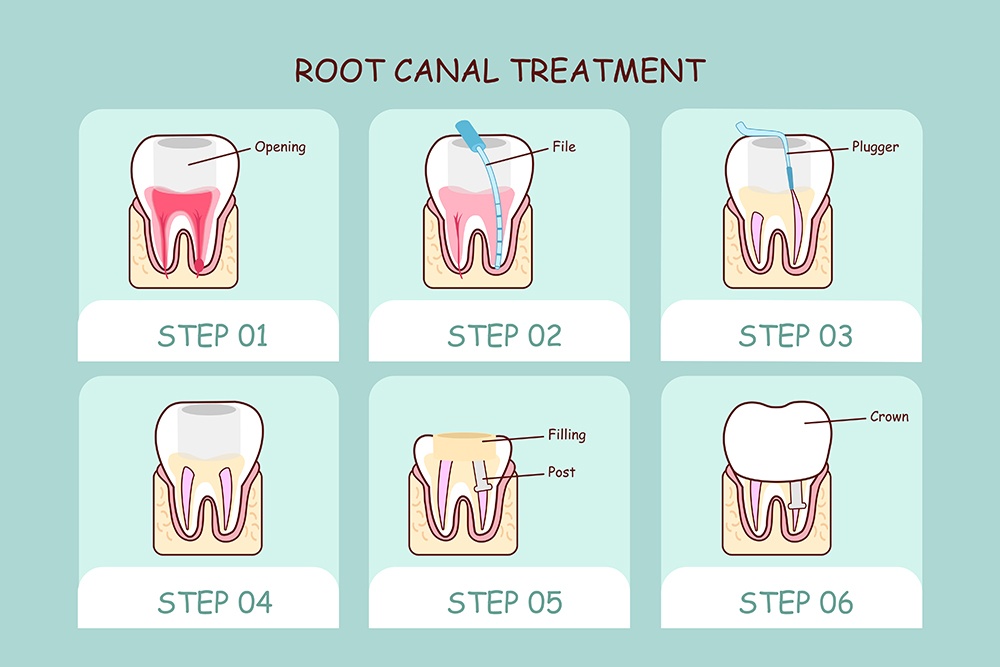
Before starting the process, our dentists will numb the infected area to completely desensitize the nerve. Sometimes, a numbing gel is placed on your gums prior to injecting the numbing medication. This helps to reduce sensitivity. The first step in the process is the removal of damaged tooth. Our dentists use a drill to remove the nerve and pulp around the tooth.

The Need for Root Canal
When the pulp becomes infected, patients experience a lot of pain. There could be many other factors that contribute to inflammation and result in pulp infection. If the infection is left untreated, an abscess can form resulting in a lot of pain.

During the process, our dentist removes the infected pulp. It is then cleaned and shaped. Further, the area is filled and sealed. Once the process is completed, our dentist will place a restoration on your tooth to retrieve the functionality.

After the restoration is done, your teeth will continue to function naturally. The major objective behind opting a root canal is fixing the infected tooth without having to remove the entire tooth from your mouth. Therefore, a root canal therapy is the best way to preserve a lost, damaged or infected tooth in the best possible ways.

After the Treatment
Your tooth may be quite sensitive after the treatment. So, if you are struggling with pain, you may be prescribed over the counter medications. The tooth gone through root canal treatment might feel a little different for some time. If you continue to have a lot of pain or discomfort, you will end up visiting your dentist. If you get in touch with our team of dentists, you won’t have any more issues. We have an experienced team of dentists taking care of the oral health requirements.

Give us a call today to learn more about root canal or any specific concerns you would have in relation to oral health.

Book Appointment to find out which treatment might be best for you.

Categories
Dental care

What is Sedation Dentistry?

Sedation is a process which aims at reducing irritability or pain during a medical procedure by administration of sedative drugs. Examples of drugs that are generally used for sedation include etomidate, isoflurane, propofol, ketamine, midazolam, lorazepam and fentanyl.

Sedation is typically used in minor surgical procedures such as endoscopy, vasectomy, or dentistry and for reconstructive surgery, some cosmetic surgeries, removal of wisdom teeth, or for high-anxiety patients.

Methods of Sedation used in Dentistry
Sedation methods in dentistry include in halation or inhaled minimal sedation (using nitrous oxide), oral sedation, and intravenous (IV) sedation. Inhalation sedation is also sometimes referred to asrelative analgesia.

  • Inhaled minimal sedation. Here, you are made to breathe nitrous oxide — also known as “laughing gas” — combined with oxygen through a mask that is placed over your nose. This gas has a soothing effect. The amount of sedation you receive is controllable by your dentist, and the gas tends to wane quickly. This is the only form of sedation where you may be able to drive yourself home after the procedure.
  • Oral sedation. Depending on the size of dose given, oral sedation ranges from minimal to moderate. For minimal sedation, a pill is given. Typically, the pill is Halcion, a member of the same drug family as Valium. It is usually taken an hour before the procedure. The pill makes you drowsy, although you are still be awake. A larger dose may be given to produce moderate sedation. This type of anesthesia is the most common associated sedation used in dentistry. Some people become dizzy enough from moderate oral sedation to actually fall asleep during the procedure. Though a gentle shake can be enough to awake them.
  • Intravenous (IV) moderate sedation. Under this method you are given the sedative drug through a vein, so it works faster. This method allows the dentist to continually adjust the level of sedation.
  • Deep sedation and general anesthesia. You will be given medications because of which you will either be almost unconscious or totally unconscious — deeply asleep — during the dental procedure. While you are under general anesthesia, you cannot easily be awakened until the effects of the anesthesia wane away or are reversed with medication.

Irrespective of which type of sedation you receive, you’ll also typically need a local anesthetic — numbing medication at the site where the dentist is working in the mouth — to relieve pain if the procedure causes any discomfort.

Can any dentist perform sedation?
Most dentists can prescribe or administer minimal sedation (such as nitrous oxide or pills). An increasing number of dentists are authorized to give moderate sedation. However, only a fraction of dentists who have completed the Commission on Dental Accreditation (CODA) program in deep sedation and general anesthesia have the authority to use more complex techniques. These dentists are typically oral and maxillofacial surgeons and dentist anesthesiologists. Some dentists use a dentist anesthesiologist, who is specially trained to give all levels of sedation and anesthesia to both children and adults.

Each state’s dental board carefully regulates the use of sedation techniques. Many states require dentists to hold permits in order to perform sedation.

How safe is ‘Sedation Dentistry’?
Element of risk is always involved in getting anesthesia. But that risk is countered to a great deal when given by experienced dentists. However, certain people, like those who are suffering from obesity or who have obstructive sleep apnea are more likely to develop complications from the anesthesia. Thus, they should take extra precaution and should obtain green signal from their doctor before going for sedation.

It is important to ensure that your dentist is well qualified and adequately trained to prescribe the type of sedation you will be receiving. A smart patient should ensure that the below written things are followed:

  • Prior to initiate the procedure, your dentist should go through your medical history and ask about any medications you’re currently on. This makes his judgement better to understand whether you are an appropriate candidate for sedation or not.
  • You have every right to ask questions like what amount of dose of the sedative is appropriate for your health and age. You should also ensure that the dose is within the limits as recommended by the FDA.
  • You should be confident about the credentials of the dentist. It’s advisable to learn how much training the dentist has got and how many procedures he or she has performed using sedation. Such information about the dental practitioner is very important for you to form trust in him.
  • The doctor is supposed to provide you a form detailing the risks of the procedure. Go through it carefully and ask your dentist about the points or jargon you feel ambiguous about.
  • The procedure followed by the dentist should be compliant with the American Dental Association’s guidelines. The dentist should also have essentials like oxygen — artificial ventilation — and drugs that can reverse the effects of sedation if such a need arises.

Book Appointment to find out which treatment might be best for you.

Categories
Dental care

How to Floss With Braces

Flossing is a great way to keep your teeth clean and healthy thoroughly. If practiced well, it can help you get rid of poor oral health and many other diseases linked to it. The right method to floss is the key to a positive oral health. Flossing becomes even challenging while your braces are in. The process is tricky, however, if you follow these simple steps, you can do it successfully:

  • The first step to start is by rinsing off your mouth. This is done to flush out remaining food particles, if any.
  • Brush your teeth every time you eat. If you fail to brush consistently, you will open up opportunities for poor oral health in the long run.
  • Use a thin and waxed dental floss. A non-waxed floss gets caught on the braces and leaves shred between the bracket. Pull the floss up to the gum line to make sure that the plaque is removed properly. The amount of dental floss used should also vary slightly on the basis of size of mouth and hands.
  • Floss with one hand a few inches behind one end. Place it above the main wire of braces to ensure that it does not get stuck.
  • Once the floss is placed behind the wires, use your hands to move it up and down between the tooth. This is done up and down along the wires to remove food particles.
  • Since braces multiply the chances of plaque accumulation, people with braces are required to brush their teeth after every meal.
  • Use fluoride toothpaste or mouthwash that is fluorinated. This prevents the accumulation of white spots on teeth.
  • An orthodontic floss threader is highly useful.
  • Always use an electric toothbrush. They are proven to be much more effective than manual toothbrushes.

If you are facing issues flossing with a string, there are other methods that can be followed to keep your teeth and gums clean. You can also try interdental brushes that are made to get in small spaces around brackets and the gaps between the teeth. This is helpful while undergoing braces treatment.

Another interesting method is using a water flosser. Water flosser helps you easily remove plaque and bacteria build-up with your braces. It uses a water jet to gently clean the gaps between your teeth without irritating your gums. It is an effective method to keep your teeth clean while wearing braces.

Consult our orthodontist today and share your experience with flossing with braces. Also, they will help you identify and understand how you can maintain a great oral health using the right flossing techniques.

Book Appointment to find out which treatment might be best for you.

Categories
Dental care

Ways to fix loose lower Dentures

Patients always want their lower denture to fit better and we have often heard them saying that their “lower denture is loose and they want better suction.” They usually compare it with upper dentures and want them to be as tight as their upper denture and not move much. Loose denture can create problems during speech, eating and results in pain during infection. Although, there are multiple reasons for the looseness of a lower denture, however, the primary one is the anatomy of a lower jaw. The lower jaw does not allow space for the movement up and down.

Some of the Other Reasons for Poorly Fitted Dentures Include:

Misshaped Denture Base
The surface of denture touching the gums is called base. Base can deform over time if they are left to dry out when placed out of the mouth. Ridge also changes which makes the denture appear distorted. However, this causes the jaw to change and not the denture.

Decrease in the Amount of Saliva
A major element in denture retention and stability is saliva. Saliva helps in the suction of a denture. If saliva is thick and deficient, denture will not fit properly. This takes place due to an underlying medical condition or drugs/medicines that are taken to resolve other medical issues.

Resorption of Ridge or Bone
The role of bone to support a full denture has always been highly appreciated. Not having enough bone makes the gums small and flat. Jaws start to resorb once the teeth are removed. This makes denture retention and stability quite difficult.

Solutions to Denture Problems:

Redesigning the Denture
A new denture should be designed to avail the best results. This can be done in 2-5 visits under normal circumstances. A normal denture should last for about 7-8 years.

Do a Hard Reline of the Denture
Reline readapts your denture base to the present ridge anatomy. This is easily achievable in a day or two or most of the time you must go without your denture.

If you are tired of trying in-house methods to fix loose dentures, talk to our dentists. We offer dentures that can improve function, biting, chewing, talking and smiling. If you wear dentures, it is mandatory to see your dentist twice a year. If you still have any queries to correct your denture problems, please get in touch with our dentist today.

Book Appointment to find out which treatment might be best for you.

Categories
Dental care

What Happens If Your Dentures Don’t Fit Properly

Wearing dentures is also an art because if you don’t wear them properly you might come across a lot of mouth problems. An ultimate solution to tooth loss, dentures, are designed to be more comfortable and natural looking than they used to be in the past. So, missing out on denture care could mean inviting a lot of problems for your oral health. A loose denture could also cause changes in your facial features. However, if you don’t take proper care of your dentures, problems can occur.

Listed below are some of the common denture problems experienced by people. Let’s take a look:

It is very important to keep your mouth clean when you start wearing dentures otherwise the following problems may occur:

  • Gum irritation
  • Problems while speaking and eating
  • Dentures that move around your mouth
  • Mouth infection

How to Treat Denture Problems:
Make Sure Your Dentures Fit
Your bones and gums keep evolving with the time passing and your dentures won’t fit as well. When this happens, your dentures need to be adjusted and modified as well. Don’t adjust your dentures by your own.

Take a Note of What You Are Eating
It is recommended to eat soft food like egg and yogurt. Do not eat anything that sticks to the mouth. Chew your food slowly. While chewing, use both sides of the mouth at the same time. This prevents dentures from moving or tipping. Eating becomes easier once you get used to your dentures.

Clean Your Mouth Daily
Clean your gums and also massage them properly before putting in. This helps to keep your mouth clean.

Avoid Using Toothpicks
Toothpicks are biggest enemies to dentures. It is recommended not to use toothpicks when wearing dentures.

At first, you may take a lot of time getting used to wearing dentures but once you are ready, you would not face such problems every now and then. Proper care can keep your dentures in good shape. When you are not wearing your dentures, you should keep them in water or a solution. Proper care and regular dental visits will keep your dentures stay in shape for a long time.

If you are tired of poorly fitted dentures, connect with our dentist today. They will help you understand when your dentures need to be replaced. Meanwhile, you can take care of your dentures at home.

Book Appointment to find out which treatment might be best for you.

Categories
Dental care

Stress And Your Oral Health

A recent survey by Nova Scotia Dental Association identified a close association between stress and oral health. It says managing stress may lead to improved oral health. 2019 Nova Scotia Oral Health Report confirms how stress can have a negative impact on your oral health.

According to the report, stress may contribute to the following conditions:

Canker Sores
The actual cause of canker sores is still not identified but it closely resembles to the way you deal with stress and anxiety. It often surfaces during high times of stress. Stress puts the immune system under pressure which often leads to the formation of sores. Canker sores are non-toxic but cause a little pain. On the other hand, cold sores are usually caused by herpes simplex virus (HSV-1)

Gum Disease
Gum disease is a serious disorder that is affecting millions of people every year. It is characterized by red and inflamed gums and also involves bleeding and tooth loss. The Academy of General Dentistry (AGD) says emotional anxiety could affect your oral health. Stress has an effect on the immune system that fights against the bacteria causing periodontal disease, thereby making your body more susceptible to gum infection.

Dry Mouth
Dry mouth often results due to medications that help reduce stress and anxiety level. The lack of saliva in your mouth causes an increased risk of tooth decay. Saliva washes away harmful bacteria from the teeth and gums. Therefore, having a dry mouth can be risky for your oral health. To prevent such mishappening, it is advisable to keep drinking enough water and stay hydrated. The dental association suggests chewing sugarless gum to help combat dry mouth.

Teeth Grinding
Also referred to as bruxism, teeth grinding often occurs unconsciously while sleeping. Though it’s not deadly, it may put strain on the jaw muscles and tissues and wear down your teeth. The other consequences are jaw pain, headache and permanent damage to your teeth. Teeth grinding triggered due to stress may cause sensitivity in teeth, sore jaw and insomnia.

How Is Stress Linked to Your Oral Health
It is generally seen that in a stressful condition people depend on unhealthy habits, be it smoking or drinking. These habits adversely affect oral health and contribute to oral cancer, gum disease or tooth decay.

Adopting self-care practice should be the first step to managing stress. If you keep practicing regular oral hygiene habits, like brushing, flossing and balancing your nutrition choices, you will be able to get rid of stress.

How to Handle Stress and Practice Smart Oral Hygiene Habits
Stress can include both physical and emotional pain. After observing the signs of stress, you need to come up with an action plan to manage it. Other than just brushing and flossing, you must use a tooth-friendly toothpaste which is rich in fluoride content. Using a night guard is also a quick fix solution to help get rid of bad oral habits. Eat a healthy balanced diet and do not forget to schedule a visit to your dentist once in every 6 months.

Request an appointment with us today to move towards a path of oral health and well being!

Book Appointment to find out which treatment might be best for you.

Categories
Dental care

Why Are Dentures Thick

Dentures emerge as one of the cost-effective and viable options when it comes to replacing a missing tooth. The two most common types of denture available are: full or complete dentures that replace all teeth in a jaw and partial dentures that replace only a few missing teeth.

Dentures available these days are quite comfortable and appealing. They allow a person to bite and chew comfortably while improving functionality. Dentures with a thinner denture base are more comfortable but in order to maintain the stability and retentive properties of dentures, it is important for a denture to be designed sufficiently thick. Similarly, dentures with stainless steel components tend to be more comfortable. Acrylic denture base that is rigid and flexible rely on the thickness of denture base for durability and strength.

It is very important to take note of the structure and designing of dentures. The consequences of not doing so may result in a shift in remaining teeth, inability to bite, chew properly and a sagging facial appearance. If your dentures do not fit properly, it is important to see your dentist. Ill-fitting dentures not only compromise facial appearance but also deteriorates oral health.

Does Denture Treatment Lead to Scarring?
To make dentures comfortable, our dentist makes adjustments from time to time. This results in pressure sores in areas where the denture is pressed or rubbed excessively. The entire process is repeated multiple times until the denture becomes comfortable and stable.

Bruising is seen in patients aged above 50, otherwise, no scars are found in this procedure till the time there is repeated trauma to the gums by improper fitting.

There are many potential reasons for loosening of a denture. It could be the anatomy of lower jaw, movement of the mouth and so on. To make sure that dentures do not loosen, it is important to:

Perform a Hard Reline of the Denture
Reline adapts your denture base to the current ridge anatomy. This is done in a day or two.

Remake the Denture
When a new reline is inadequate, a new denture should be fabricated to get the best results. This process can be performed in 2-5 visits. A normal denture should last for around 7 years.

Patients may find inconvenient and embarrassing if the denture is not fitted or positioned properly. Therefore, it is important to choose the right set of dentures when it comes to improving the shape and design.

Book Appointment to find out which treatment might be best for you.

Categories
Dental care

How Can You Avoid Tooth Cavity

The first step in the path towards a healthy oral care routine is identifying your cavity risk level. In this context, a quick examination of your oral health and discussion with your dentist comes across quite valuable. With regular examination, you will be able to take an effective approach towards improving your oral health.

Listed below are some easy tips suggested by our dentists to prevent cavities:

Brushing Properly Using Right Techniques and the Right Brush
Brushing your teeth properly is one of the effective ways to prevent cavities. Make sure to practice brushing after meals and before going to bed. Brushing before going to bed is quite important because if you allow bacteria to linger on your teeth overnight will ultimately lead to cavities.

Using an antibacterial mouthwash also helps to clean away bacteria. Proper brushing technique also adds to improved oral health.

Use a soft-bristled toothbrush and apply gently. Place it at a 45-degree angle against the gums. The brush should be moved back and forth. Also, move the brush around your tongue to remove bacteria and get rid of bad breath. To maintain oral health in the long run, it is recommended to change your toothbrush every 3-4 months.

Maintaining a Healthy Lifestyle
Taking acidic coffee and tea for a long time period can increase your risk for new cavities. You should try to reduce the frequency of coffee and tea and rinse your mouth with water.
Another important step is quitting smoking and tobacco that can lead to many difficult problems. Smoking not only stains your teeth but also lead to gum disease and even oral cancer.

Drink Water
Drinking water with fluoride is also one of the useful methods to prevent cavities. Water remineralizes the teeth and also promotes saliva production to rinse away harmful bacteria.

Have Dental Sealants Placed Properly
Sealants are a protective coating applied to the biting surfaces of the back teeth. They play a useful role in protecting the tooth by acting as shielding against bacteria and plaque.

Do Not Forget Regular Checkups
Visit your dentist for a regular examination. You can also connect with our experienced dentists who will guide you by analyzing any areas for early tooth decay.

Schedule your next checkup with us today. If you need further clarity, speak to one of our dentists.

Book Appointment to find out which treatment might be best for you.

Categories
Dental care

Can dentist fix broken teeth

Dental techniques are evolving with each passing day. That’s probably a good news for patients with broken, crooked or missing teeth. Depending on the type of break your teeth has, our dentist can repair your tooth using the following methods:

Dental Crowns
Crowns are often confused with veneers. Crown is a restorative treatment that covers the injured tooth and offers strong protection. A crown prevents you from losing your tooth. Not having a crown could damage your tooth through chewing. Our dentists can create a customized crown by taking impressions of your tooth. Dental crowns act wonderfully by fixing your smile and straightening crooked teeth.

If you have chipped, damaged or cracked teeth, dental crowns could be of great help. Crowns not only protect your teeth but also offer an ideal aesthetic appearance to your teeth. The shape and position of your existing tooth can be modified using dental crowns.

Porcelain Crowns
Porcelain crown is yet another cosmetic procedure helpful for fixing broken teeth. Made from thin ceramic shells, porcelain crowns are used to bond to the teeth’s surface. They are the most preferred crowns as they easily match the adjacent teeth. Porcelain fused metal crowns are also in vogue since years because they are quite durable, stable and helps to mimic your natural teeth. The stability and strength they offer is unmatched to any other kind of restoration available.

Dental Implants
In this process, the broken teeth is removed and an implant is fixed in its place. Implants are one of the most technologically advanced dental treatments.

Dental Bonding
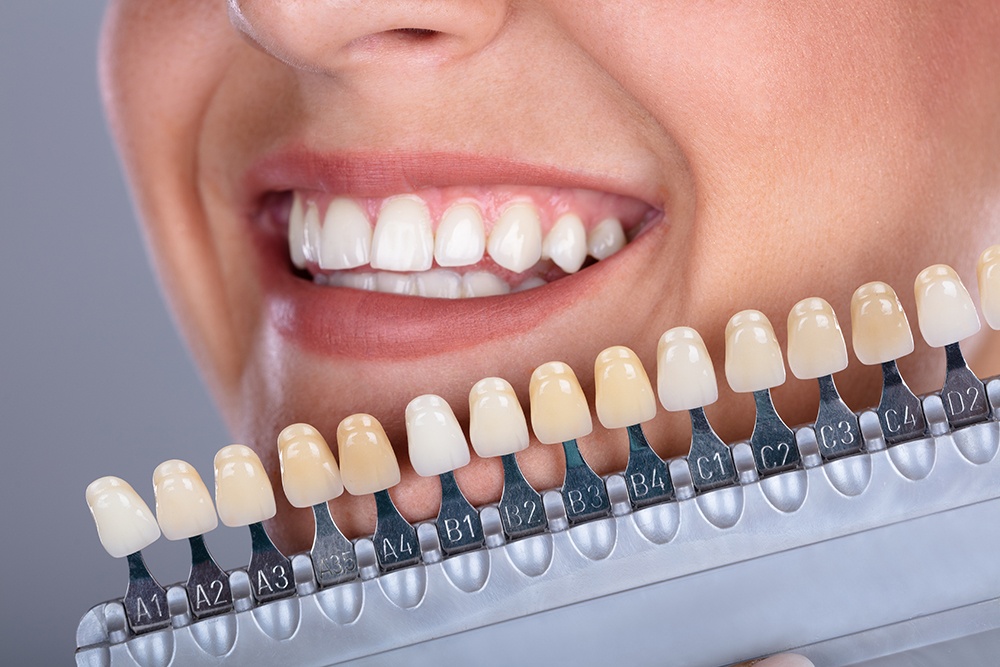
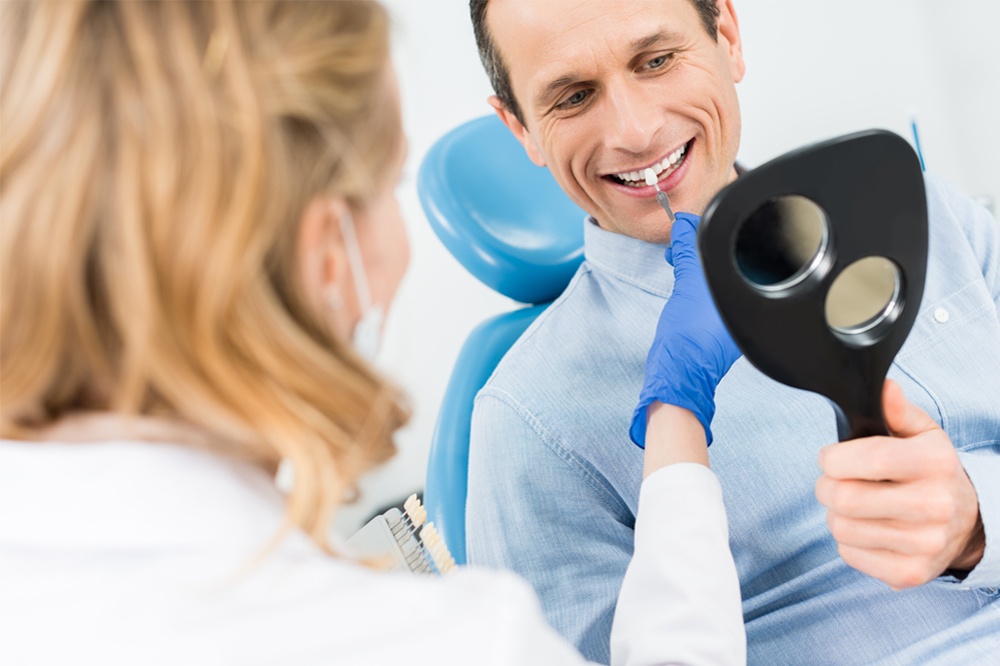
Dental bonding repairs chipped or cracked teeth. In this treatment method, our dentists first pick a shade guide to select a resin color that closely matches the color of the tooth. The process starts with roughening the surface of tooth. After this, a conditioning liquid is applied. The process further helps the bonding material stick to the tooth. The tooth-colored resin is then applied and smoothed to get the right shape. The process takes about 30-60 minutes to get completed.

To know more about treatments available for a broken tooth, schedule an appointment with us today. Make sure that you don’t brush your teeth if you are suffering from a broken or chipped tooth. Let our dentist suggest the best method of repairing.

Book Appointment to find out which treatment might be best for you.

Categories
Dental care

How Long Teeth Whitening Takes?

We have often come across patients asking, “How long does it take to whiten teeth?”. However, the answer depends on the condition of your teeth. The extent to which your teeth are discolored and the type of treatment patient is looking for help in understanding the approx time. There are various teeth whitening options available, however, to decide the right one, we suggest patients to walk in directly at our office.

Our dentists can complete the process within an hour or two. This can also vary in case of patients who may require a follow-up depending on the level of staining. If the staining is severe, professional teeth whitening treatment can also take 3-4 weeks.

Before the treatment starts, our dentists make the mouthguard with the help of impressions. This helps in spreading the teeth whitening solution all over the mouth. The active ingredient in the solution is hydrogen peroxide or carbamide peroxide. If the patient’s teeth are intrinsically discolored, over the counter teeth whitening products may not work effectively. They may take longer than usual to whiten teeth.

The effects of teeth whitening can last up to 3-4 years. However, this varies depending on the extent of staining. The effect is less likely to last as long as you keep on smoking, eating or drinking products that can stain your teeth.

We are committed to delivering the best and professional teeth whitening treatment that delivers a dazzling smile by erasing discoloration. The treatment offered is safe, quick, effective and apt for those who want to see results quickly.

For teeth whitening, our dentists deliver exactly what you need. Our professional teeth whitening services give you desired results quickly and effortlessly. We will do anything to administer teeth whitening treatments that can exceed your expectations.

So, if discolored teeth are causing you to hide your smile from the world, you must go ahead and opt for professional teeth whitening treatment. It will completely change the way you appear and feel about yourself.

Whitening teeth comes all together as one of the safest methods as long as you stick to dentist-approved methods. However, before moving ahead you should stick to methods that match your needs. To learn more about our teeth whitening treatment process, you can connect with our dentists.

Book Appointment to find out which treatment might be best for you.

Categories
Dental care

How Braces Behind The Teeth Function

Attached to the back of your teeth, lingual braces function the same way as braces in front of your teeth. They are made of metal brackets/wires and attached to your teeth with dental cement. Our dentists adjust them in every 6-8 week to help your teeth shift in the right direction. The composition of lingual braces is the same as normal braces. They can also help fix the same type of dental issues like misalignment, spacing and so on.

Our dentist takes the impression and uses a digital scan of your teeth. Once the scans are taken, our dentist will start the process of customization. The braces are then custom-made based on your teeth to ensure a proper fit. The treatment duration is also same as of regular braces. It takes 18-24 months to have straight teeth and smile that you have always wished for.

Advantages of Braces Behind the Teeth

The most obvious reason is that these braces are not visible. So, all those patients who are using braces for aesthetic purpose find lingual braces the best option.
Teens who want straight teeth but don’t have much time for the treatment can go for lingual braces.
Lingual braces eliminate the need for elastic bands. This makes them comfortable for some patients.
It is widely appreciated among patients who play instruments because they find it easier to adjust with the braces. This happens because the brackets aren’t between the teeth and lips.
Some patients feel self-conscious about their smile while wearing braces. This impacts self-esteem. However, with lingual braces, this problem can be eliminated.
If we talk about the cost factor, lingual braces are comparatively expensive than ceramic braces. The only reason is the customization done that accommodates the exact contours behind each tooth. Our dentists take digital scan both at the top and bottom row so that lingual braces are custom made in the laboratory.

We encourage you to call our office and schedule a free initial exam to discuss the other treatment options available.

Book Appointment to find out which treatment might be best for you.

Categories
Dental care

How Braces Are Fixed

Getting braces can be a bit annoying and stressful experience for most of us. During the initial days, you might experience discomfort. However, if you understand what exactly is going to happen, you will be definitely at ease.

Steps Followed:

The entire process takes about an hour which is pretty quick with no pain involved.
The first thing our dentist will do is to ensure whether your teeth are clean or not. The treatment would be starting with clean and dirt-free teeth.
A strong toothpaste is allowed to sit on the teeth for 15-30 seconds and then rinsed off well.
Once the teeth are dried, a section of glue is applied, which is then dried and a bright blue light is used to set the glue in position.
Then, we have another section of glue which is applied to the back of the brackets. The brackets are then placed on teeth. Again, the blue light will be used to position another section of glue and brackets in place.
Once the braces are fixed, our dentist places the archwire in brackets and secures it with elastic bands.
Getting braces is the first step towards improving your smile. After the first few days of putting braces, you will experience some sort of soreness. Patients also complain about slight pain as the braces and wires start functioning together to shift your teeth. We recommend our patients to take soft food during the initial days. This helps to minimize discomfort while eating.

Once your braces are fitted, you will have to make slight changes in your daily activities to ensure that your treatment functions smoothly. You are required to visit our orthodontist every 4-6 weeks to have your braces adjusted. During these visits, our dentist will replace your elastic or rubber band that can get worn out with time. By adjusting wires, your teeth will continue to shift in the right direction. With these follow-up appointments, our ultimate aim is to keep moving your orthodontic goals in the right direction.

By the time you are wearing braces, you will be required to take extra care of your teeth that includes brushing and flossing. So, if you are considering braces, either for yourself or your child, the best way to start would be speaking with our dentists who will help to map out a potential treatment plan based on your requirements.

Book Appointment to find out which treatment might be best for you.

Categories
Dental care

What Are Cosmetic Dentures

If you are not gifted with that perfect smile that you can be proud of, you can get it customized for yourself at our dental clinic. We offer a wide variety of cosmetic dentistry procedure available that can make your smile brighter and wider. With the intent to improve millions of smile across the globe, cosmetic dentistry has truly emerged to be a life-changing experience for people who are missing their teeth or have to get their teeth extracted for any reason.

Our dentists offer personalized denture services that match the level and comfort of patients. We design one-of-a-kind denture that feels good and performs functionally great.

Cosmetic Dentures
Full or partial denture can be easily remodeled as a cosmetic denture. Listed below are some of the list of dentures that we offer under cosmetic dentistry services:

Full Cosmetic Dentures
A new denture that is transformed into a cosmetic denture is grouped under the full cosmetic denture. It involves enhancement in tooth shaping, gum design, and acrylic color matching. Full dentures allow you to speak and eat solid food confidently by naturally filling out your cheeks and lips.

Partial Cosmetic Dentures
This denture type does not have wires or clips that hold it in place. Also known as partials, partial dentures fill the gaps left by one or more missing teeth. They are attached to the existing teeth and are customized to fit well. Our dentists match the shade of gums and prosthetic teeth to match it with your natural smile. Unlike dental bridges, partial dentures do not require the surrounding teeth to be altered. They are removable and can also be secured with dental implants.

Our denture services are highly aesthetic and made to fit tightly, no matter how many teeth are missing. We are consistently looking forward to improving the oral function and restoring the natural beauty of your smile.

Benefits of Cosmetic Dentistry:

Help in Correcting Various Aesthetic Flaws
One of the advantages of opting cosmetic dentistry is the versatility it offers. Our procedures can also correct issues like staining, misplaced teeth, small teeth, chips, cracks, gapped teeth, ragged gum lines and so on.

Make You Look Younger
Aging results in teeth discoloration and dental erosion. However, these issues can be fixed and help you look years younger with cosmetic dentistry.

Boosts Self-Esteem
If you are embarrassed about your smile, cosmetic dentures can help you. You will feel more confident and happier after wearing cosmetic dentures. Not only you will feel good when you look in the mirror but you may also find that you are more excited about social events.

Helps Prevent Dental Damage
Cosmetic treatment is designed to improve the appearance. For example, bonding can strengthen your teeth.

Learn about all the cosmetic options available by scheduling an appointment with us today.

Book Appointment to find out which treatment might be best for you.

Categories
Dental care

How Invisalign Changes Your Face

Invisalign is a great treatment method adopted by dentist all over the world. This method is great for adults and teens who are not looking for metal braces but for a virtually invisible alternative to improve the smile. Correcting the symmetry of teeth has now become quite easy and comfortable with the inception of Invisalign.

Invisalign has truly changed the face of orthodontic care. Being at the forefront of cosmetic dentistry, Invisalign treatment is designed keeping your comfort in mind. They possess a smooth finish so that they do not cause discomfort when placed inside your mouth. Invisalign is gentle on teeth and gets you the desired results with no restrictions on what food to eat and what not.

Apart from just giving a straight teeth, Invisalign also has the capability to remodel face shape, appearance and profile too. A crooked teeth influences the shape of face whereas an overbite could force your upper lip to protrude. The alignment of teeth needs to be properly corrected because it can have a huge impact on the overall appearance.

Invisalign helps in changing the overall appearance but only in a positive way. If your teeth is growing unevenly, it will help reposition it so that it grows straight. It helps eliminate crooked teeth or gaps between your teeth. In addition to just offering a beautiful and natural smile, it will prevent future dental issues. It also helps to correct overbites and crossbites.

Invisalign also helps to improve the health and appearance of teeth. It also modifies the way you look. A total transformation of crooked and unsightly teeth into a smile filled with gorgeous and straight teeth is what you can expect from Invisalign orthodontic care.

In order to determine if Invisalign treatment changes your facial structure, our dentists make use of X-rays and images. They will further compare them both before and after the procedure. This helps to locate the exact changes that occur as a result of Invisalign process.

After finishing your Invisalign treatment, you will come across slight changes in the shape of your mouth. If your lips were being pushed by the protruding teeth, they would look different after the treatment. Similarly, patients who were suffering from an underbite, overbite or crossbite that got corrected with Invisalign would see their lower face look a bit different. So, get prepared to see a new look by connecting with our dentists today.

Book Appointment to find out which treatment might be best for you.

Categories
Dental care

What Are the Advantages of Dental Implants Over Bridges

Over the last few decades, the innovation in dental treatment have bring forth multiple procedures. These treatment procedure have made it easier to preserve the beauty and functionality of natural teeth. However, there are cases when a tooth may be so badly damaged that extraction is the only possible solution left to preserve the overall health of the entire mouth. No matter what the reason of tooth loss is, it has always lead to problems. Dental problems not only affect the functionality but also give birth to embarrassment and self-consciousness.

For several years, dentures have been making their way for a missing teeth wherein full dentures can replace a full arch of missing teeth whereas partial dentures or bridges are made to fill one or several gaps. The latest innovation in dentistry, i.e. dental implants are putting an end to the issues and limitations that come with traditional dentures. By acting as an effective alternative to dentures and bridges, dental implants turn out to be better than dentures and bridges. Therefore, dentists suggest getting a dental implant as an alternative to a denture or bridge.

Let’s analyze the aspects where dental implants stand-out:

Strength
Dental implants are durable and high on strength than any other restorative solution in the dental industry. The titanium post that fuses to the jawbone creates an ultra-strong foundation for the prosthesis.

On the other hand, dentures are extremely fragile and can get easily broken when dropped. Bridges are a permanent solution but applying an extra force on them can cause the abutment teeth to come under pressure, which, in turn, puts them at a risk of falling out.

Based on stability
Dental implants have a long life, if handled with care. Once they are inserted, they behave like a natural teeth. Patients can brush and floss them exactly the same way as their normal teeth. They remain unbroken and intact.

Dentures are easily removable. Patients wearing them find that they tend to slip while speaking or eating. This results into an embarrassing situation and self-esteem issues, therefore, patients avoid wearing it. Dentures also require removing them while cleaning.

Aesthetics
Dental implants offer the closest resemblance to natural teeth. They are so convincing that sometimes the other person fails to identify whether they are implants or the real tooth.

Maintenance of bone strength
Dental implants promote growth of jaw bone and works to maintain the beauty of your face and keep you looking young forever.

Budget
Dental implants are a cost-effective yet long-term solution than an alternative bridge or denture. The bridge and denture again requires replacement within 10 years.

When it comes to weighing the consequences of tooth replacement options, dental implants have redefined dental care for those seeking solutions for missing, lost or damaged teeth.

If you are interested in knowing more about dental implant procedure, please don’t hesitate us to ask. The dental implant surgery performed at our dentist’s office is a quick and reliable process. Our dentists would love to give you specific instructions on how to care your dental implants. Let our dentists decide if implants are the right choice for you. We welcome all your queries with open arms. Contact us to schedule an appointment today.

Book Appointment to find out which treatment might be best for you.

Categories
Dental care

What Are Mini Dental Implants

Mini dental implants are a great alternative to traditional dental implants. There are very specific cases when mini dental implants are used. They are generally used in place of incisors or small teeth. It is either used for front teeth replacement, premolar replacement or for teeth located in a narrow space. Being a smaller version of regular implants, mini dental implants are used to replace missing teeth with the objective to maintain a good oral health.

In structure, mini dental implants are roughly half the size of traditional implants. They function great for patients who have experienced a significant bone loss.

The Process
Mini implant process is quick and easier than traditional implant procedure. The implants are placed under local anesthetic, however, many patients still opt for dental sedation.

The implants are placed into the bone where no sensory nerve endings are located. There is no discomfort associated the recovery time is also quite high.

Antibiotics are offered to the patients after the process so that chances of infection are reduced.

Benefits of Mini Dental Implants
There are various advantages of using mini dental implants.

  1. Mini implants don’t required as much bone mass for osseointegration as required by dental implants. So, this option is great for people who have suffered bone loss. This eliminates the need for bone graft.
  2. As the name says, mini implants are smaller in size. This makes easy to accommodate in the smaller areas of your mouth. Hence, mini implants are ideal for smaller teeth.
  3. The process is less invasive and the downtime associated is also low.
  4. Mini implants function great when it comes to stabilizing traditional dentures. Traditional dentures are held in place by suction and supported via the gum tissue. However, with mini implants, the problem gets eliminated. They help dentures secure in place.

If you have small teeth, mini dental implants are for someone just like you. Being economical, mini implants are preferred over traditional implants, thereby delivering numerous benefits.

Book Appointment to find out which treatment might be best for you.

Categories
Dental care

Why You Should Floss Daily

Flossing at least once a day can greatly benefit your oral health by preventing plaque buildup and other gum diseases. Flossing your teeth is the only way that helps in the prevention of gum disease. People who are suffering from gum disease fail to floss. Flossing your teeth is as important as brushing them.

Here are some reasons you should floss on a daily basis:

Cavity Prevention
A cavity develops when the surface of a tooth has plaque. Brushing is effective for preventing plaque buildup on the surface of teeth. A brush does not get between the teeth. So, flossing on a daily basis is essential to clean those surface of the tooth as well. The surfaces of tooth most often get cavities. Therefore, flossing is as important as brushing to maintain oral health.

Flossing Protects Gums
Food particles get easily stuck in the areas where teeth and gums meet. If not removed, it results in plaque buildup and eventually turns to tartar. Plaque can easily be removed via brushing and flossing, However, removing tartar requires an expert’s help. Tartar buildup also leads to gingivitis which is the first stage of gum disease.

When moved into an advanced stage, Periodontitis damages the bone supporting tooth and leads to tooth loss. Flossing is therefore really helpful and prevents tartar buildup.

Flossing Improves Oral Health
Most people think that flossing helps them protect their gum and teeth only but they are unaware of the fact that flossing daily is also an important part of maintaining their health. There are many studies that have proven that poor oral care makes them susceptible to heart disease, stroke, and diabetes. So, flossing regularly reduces the chances of developing stroke and heart attack. This, in turn, safeguards your health in the long run.

Flossing Gets You Fresher Breath
A good oral hygiene contributes to preventing bad breath. Also known as Halitosis, bad breath is often caused by bacteria and food particles that get trapped between the teeth. Flossing daily helps to dislodge the particles and rinse it away.

Flossing Stops Your Gums From Bleeding
With daily flossing, problems like bleeding gums go away in a few weeks. If the issue does not gets solved, you need to consult your dentist immediately and they will help determine whether you are flossing correctly or suffering from gum disease.

For more helpful advice related to dental hygiene practices, get in touch with our experts. They will help you by offering the best solution based on your needs.

Book Appointment to find out which treatment might be best for you.

Categories
Dental care

Teeth Grinding And Its Impact On Oral Health

Bruxism or teeth grinding can lead to some serious issues like jaw pain or a headache. Both the adults and children are affected by this. There are some cases of teeth grinding that lead to lockjaws and facial swelling. In children, parents may hear their child grinding their teeth while sleeping. This is referred to nocturnal bruxism. Some people might grind their teeth during the daytime also, especially when they are tensed or anxious.

Bruxism can be severe enough to damage teeth and fracture fillings. Bruxism does not come with any symptoms at all but if not treated well, it leaves behind damaged teeth, tension headache, jaw, and facial pain. A misaligned bite may contribute to being one of the causes of bruxism. Similarly, stress and anxiety make the nocturnal grinding worse.

What should be done to stop yourself from teeth grinding

  1. Your dentist might recommend the best solution based on the symptom. You might wear a mouthguard while sleeping to prevent grinding. It can be custom-fit and comes with many options that make it comfortable to wear and easy to clean.
  2. Look for ways to reduce stress as it is one of the contributing factors. Changes in lifestyle, counseling and an exercise regimen are all the possible solution.
  3. Lessen the intake of caffeine drinks like coffee and tea. Alcoholic beverages also tend to make you grind your teeth.
  4. Children should be advised not to chew a pencil or pen.
  5. Relax the face and jaw throughout if you consciously grind your teeth during the day.
  6. Relax your jaw during the night by holding a warm washcloth against cheeks.

Treatment for teeth grinding
Teeth grinding is observed mostly at night while sleeping. Every situation of this issue is managed differently, but a mouthguard has found to be highly useful. Other treatments discovered are dietary changes, postural modifications, medications, injections and postural therapy are also recommended.

Bruxism or teeth grinding can be managed easily. All you need is employing pain management techniques, jaw strengthening with exercises and so on that can lessen their symptoms and avoid the most of dental work.

Book Appointment to find out which treatment might be best for you.

Categories
Dental care

What To Expect At Your Child’s First Visit To The Dentist?

As a parent, there are a lot of things that you wish to experience with your child as and when they grow up. Be it their first step, first word or their first bite and this way the list goes on, on and on. Though it is not equally exciting, a trip to a dentist for the first time is also something your child must be prepared of. Most kids visit a dentist ill-prepared. This could also be threatening for them. To help your child prepare about their very first visit to the dentist, these tips are a must to consider.

Preparing them about the first appointment
The first thing you should consider is picking a dentist who specializes in child care (Pediatrician). Dentists having experience working with children will be able to offer your child a comfortable and fun environment. They are not only expert at their work but also caring, compassionate and patient.

At home, you should keep them teaching about their teeth and mouth. As they say, it’s never too early to start, so begin the conversation by making them familiar with their healthy eating and brushing habits. Keep them aware with their body parts. You can indulge in fun activities with them like singing, playing, reading poems about teeth brushing and smiling. This way they will come prepared for their scheduled visit in a fun and light mood.

Built a habit of brushing together or you can also add elements like colored toothpaste or themed brushes. This will level up their energy and keep them engrossed a bit more. The more exciting the activities are, the more participation your child will show.

Identifying the right time
The right age before making an appointment is important to take care of. As a general rule of thumb, the right age would be 1 or 6 months after their first tooth comes in. Dentists recommend that children paying the visit at 1 year old or younger help parents to develop good oral habits. So, waiting for your child to grow older is the biggest mistake that you are doing.

What happens at the first visit
At the first appointment, the pediatrician will ask parents to visit the examination room with the children. During the conversation with your child, a dentist will try to build a rapport with the child.

The most common thing a dentist will do is using fun objects to teach your child the role of a healthy mouth. A pediatrician may also make your little one familiar about the different tools by allowing them to touch and listen sound. This way the experience of your little one will turn out to be less scary.

For children who are aged between 3-4, a dentist may also clean and polish their teeth with a toothbrush to let them be familiar with good and healthy brushing habits.
In the end, you may ask questions about a hygienic oral routine for your child. To keep in touch with your child’s dentist, be sure to schedule a follow-up. Visiting a dentist only once will not be enough. Therefore, it is important to schedule one or two visits every year to minimize the chances of cavities and decay.

To continue your baby’s dental care, make sure to stop thumb and pacifier sucking early. Also, it is important to limit the number of sugary foods that increase the risk of tooth decay. Once you show your child the importance of a healthy mouth, they will continue to develop it in future also.

So, if you are looking for a family dentist who offers child care in a warm, caring and friendly environment, visit us or schedule an appointment with our pediatrician today.

Book Appointment to find out which treatment might be best for you.

Categories
Dental care

How Are Dental X-Rays Advantages?

A dental x-ray is aimed at examining the different parts of the mouth that are not visible via a naked eye. A dental x-ray is designed for people of all ages and is incredibly important. An x-ray examination allows your dentist to view any kind of activity inside your mouth on a deeper level. Being one of the greatest diagnostic tools, dental x-rays accurately diagnose and treat dental issues inside the mouth. Right from the tip of the roots to the bones under the gums, everything is easily detected using dental x-rays. The most common screening that can be done using dental x-ray is a cavity, gum disease, cysts, bone loss and other that can be identified easily. Dentists can also scan missing teeth, thereby delivering an efficient care in the quickest ways.

How often should you opt for dental x-rays?
The frequency entirely depends on your medical history and present condition. There are some who might be requiring dental x-rays every 6 months, whereas the others with no gum disease may require it only once or twice a year. X-rays are generally recommended as a part of an initial examination.

How dental x-ray work?
X-rays normally comprise of 2-4 bitewing that displays more of crown positions. It also checks for the signs of decay. The process starts with a bite plate placed in between the teeth and the x-ray machine placed on either side of the face.

No special preparation is required. The only thing you need to do is brush your teeth properly before the treatment starts. At the office, the patient is seated in a chair. The x-ray machine is positioned along the head to record the activities going inside the mouth.

Why dental x-rays are an important part of oral healthcare?

Dental x-rays help in identifying cavities: One of the most common areas for cavities is between the teeth which can’t be seen without an x-ray.

X-rays help in spotting cysts and tumors: X-rays are an effective preventative measure to detect cysts and tumors that form around your teeth and bone.

X-rays are useful for identifying patients with bruxism: By revealing the underlying damage done to the bone, dental x-rays examine the relationship between teeth and jaws. After detecting damage done to the bone and jaw, dentists further recommend the other treatment to get away with bruxism.

Helps in identifying wisdom teeth: Dental x-rays are an effective way to get a clear picture of the wisdom teeth that usually grows during the late teens or early twenties.

Detecting and treating dental issues at an early stage not only saves your time and money but also the unnecessary discomfort. So, schedule an appointment with us today. Our specialists will help you easily identify the root cause based on a dental x-ray examination.

Book Appointment to find out which treatment might be best for you.
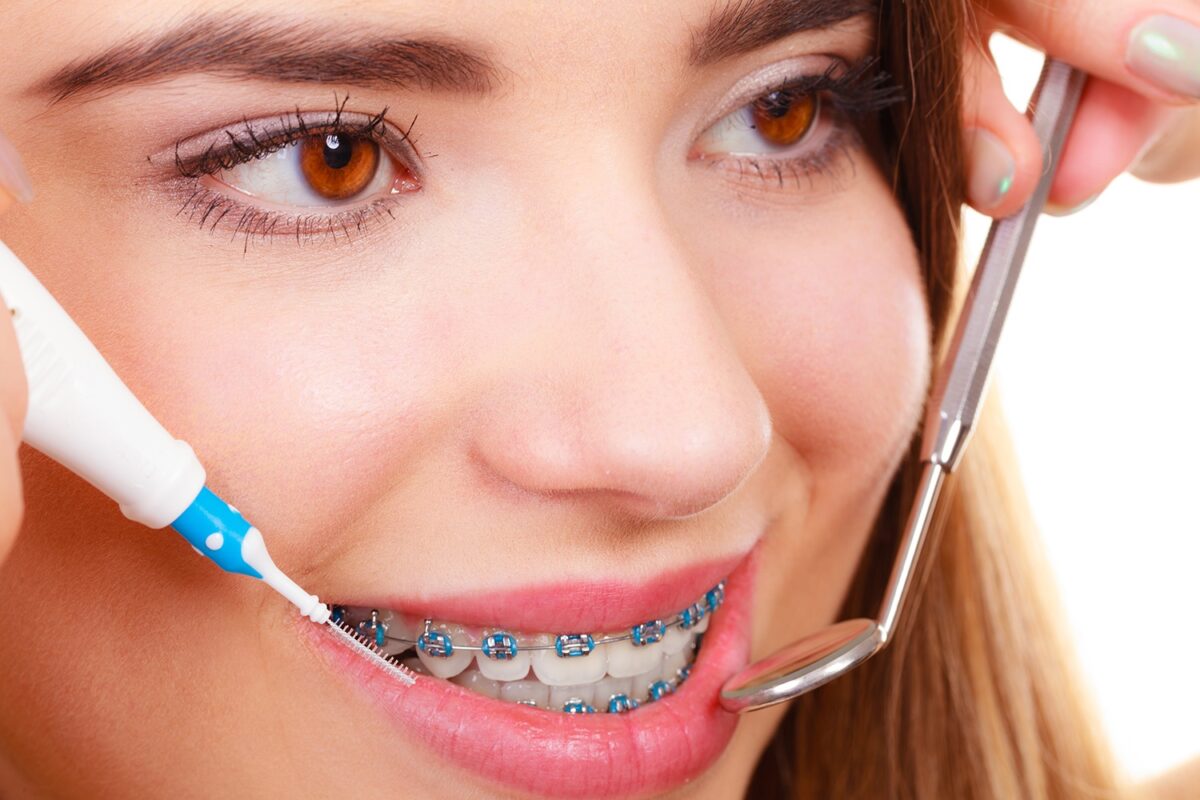
Categories
Dental care

Fluoride Treatment And Its Impact On Dental Health

Tooth decay and cavity formation is quite common in adults and children who do not follow a proper oral care routine. When it comes to preventing cavities, fluoride treatments have emerged as a standard treatment in the dental industry. Fluoride eradicates the issues associated with gum decay. Professional fluoride treatments are given to the patients which help in imparting strength to the enamel.

How Fluoride Works?
Fluoride is known to protect the tooth enamel from the harmful effects of excess acid inside the mouth. It is a component helpful for both adult and child’s teeth. Fluoride is a mineral found in food and other beverages like black tea, seedless raisins, juice, wine, and coffee. So, the best way to assure the health of your teeth is to add those products that contain fluoride to your daily dental routine.

Another best thing that can be done is brushing with fluoride toothpaste as it helps to slow the formation of acid that leads to destructive bacteria. Fluoride mouth rinses and supplements are also available in liquid and tablet form.

A professional fluoride treatment uses safe and effective concentration to protect the teeth against decay. Fluoride treatments are generally given in gel, foam and varnish forms.

What To Expect From Fluoride Treatment?
Fluoride treatment is generally recommended in every 6 months after the patient’s dental cleaning or exam. The cleaned teeth are dried to avoid diluting the strength of fluoride. The process is quick, non-invasive and does not require any special preparation. During the process, patients also have the choice to use a mouthguard which is filled with foam or gel.

Patients need to follow treatment aftercare to make sure that the fluoride fully penetrates the enamel. It is advised not to drink, eat or smoke for at least 30 minutes after the fluoride treatment.

Fluoride treatment administered by experienced dentists contain a higher level of fluoride concentration than the ones in topical toothpaste or mouthwash. The fluoride is applied to the tooth using a special varnish. Fluoride varnish is completely safe and used by dentists to prevent tooth decay in children.

Fluoride treatment is beneficial to those who are at an increased risk of tooth decay because of the dry mouth, gum disease, cavity formation, crown, bridges or braces.

Get in touch with us today to know more about the process and its advantages. Our dentists will diagnose and then suggest the right treatment based on your requirements.

Book Appointment to find out which treatment might be best for you.
Categories
Dental care

What You Need To Know About Root Canal Treatment

Root canal treatment is a dental therapy that helps in removing the diseased pulp from a root canal in your tooth. Also known as Endodontics, root canal leads to serious dental problems like tooth loss and bone damage in its severe stages. The pulp which is the infected area is removed and cleaned. In continuation, a filling is placed to seal the space. There are various advantages of availing a root canal treatment. Let’s explore a few of them:

The treatment is virtually painless and quite convenient for patients. In comparison to having a natural tooth extracted, root canal often leaves patients with less discomfort. A tooth extraction process is comparatively painful than root canal therapy.

  1. Patients no longer need to take pain relievers or ice pack as root canal treatment permanently kills off the pain.
  2. The therapy also prevents the formation of abscess in your infected tooth.
  3. Root canal treatment leaves you with a natural biting force which means you can resume daily eating habits like biting and chewing a few days after the treatment.
  4. Root canal also protects your teeth from the strain.

The treatment is performed under a local anesthetic wherein our dentists will create a tiny hole in the tooth. The damaged canal attached to the pulp is cleaned. The tiny hole is further sealed. A dental crown is then fitted to protect the tooth.

The need for root canal arises when there is a deep cavity resulting in nerve exposure. In instances where a toothache or infection goes untreated, there is a possibility that harmful bacteria invade the gums, thereby leading to several health issues.

Who is the right candidate for root canal treatment?

Dentists recommend having a root canal therapy performed only if the pulp within the tooth is infected. If such type of damage is left untreated, it results in deep-down tooth decay and long-term damage. Root canal problems also arise if patients are suffering from gum disease. A root canal therapy is generally recommended to patients who have been experiencing chronic pain and infection from a long time.

Endodontic treatment or root canal helps to save your tooth and relieve you from pain or discomfort. This is the reason which makes it an apt choice amongst candidates suffering from gum related disorders.

Book Appointment to find out which treatment might be best for you.

Categories
Dental care

Can Dental Crown get Cavities?

A dental crown functions to rebuild a tooth that has been severely broken. A crown is designed like a cap that fits snugly over the tooth structure. Its composition includes a gold alloy, dental ceramic (porcelain) or a blend of both.

Crowns are customized to match the shape of a tooth. Once the crown is attached to the tooth, it gets fitted permanently. Crowns not only perform great at protecting the damaged teeth but also can be used to improve appearance. But, the next question is: Can you still get cavities in crowns? Most of you will say “NO” because we all believe that a crown is designed of a synthetic material that won’t wear away. However, the fact is that you certainly get a cavity in the tooth to which a crown is attached.

What causes decay under the crown?
Plaque is the major reason that usually forms decay at the gum line. This area is the junction where tooth and crown meet. It is also known as the margin. If plaque is formed at the margin and not removed, a new cavity will eventually form and your crown will have to be replaced. This is the reason it is important to maintain proper oral hygiene to remove plaque from teeth and crown.

How to detect tooth decay under a crown?
A dental crown protects an underlying tooth. There are many people who resume their eating and hygiene habits once the crown is placed accurately. However, it is important to take care because the tooth beneath the crown can still be damaged by cavities. So, it is required to keep your oral health maintained by regularly attending a dentist for cleaning or checkup.

What steps you should take to maintain crown?
For maintaining the oral health and durability of your crown, it is important to floss and brush on a regular basis. It removes plaque around the tooth and reduces chances of decay. Early detection via regular visits in 3-6 months is important. With the help of a dental examination, your dentist will be able to diagnose any new signs of cavities. Regular dental examination eliminates the chances of damage that might happen to tooth under the crown.

X-ray is one of the prevalent techniques used by our dentists to analyze the margin between teeth that is invisible via a naked eye.

Book Appointment to find out which treatment might be best for you.

Categories
Dental care

Thanksgiving Tips That Will Give A Boost To Your Oral Health

“A smile is the prettiest thing you can wear”

A healthy smile is an apple of one’s eye. To restore a happy and confident smile, one must be selective in terms of food choices. Thanksgiving is around the corner and eating is a major event that goes hand in hand with this festival. However, all of that feasting can be tough not only for your waistline but also your oral health.

Be it Turkey, mashed potato, or a pumpkin pie, feasting in Thanksgiving might do some damage to your oral health if you fail to take proper care.

Westgreen Dental & Orthodontics lists down some useful Thanksgiving Day Dental tips as a feast from our side.

Book Appointment to find out which treatment might be best for you.