West Green Family Dental

Categories
Dental care

How To Care For Your Teeth After A Professional Cleaning

Having your teeth cleaned by a professional is the best thing to do for your oral hygiene. That smooth, squeaky-clean feeling after an appointment? Feels great, right? But once you walk out of the clinic, what happens next?

Surprisingly, a lot of people don’t know what they should (or shouldn’t) do after cleaning. And while your dentist may give you some quick advice, most of us forget half of it by the time we get home.

So let’s talk about post-dental cleaning care, the simple things you can do to keep your smile healthy, fresh, and protected after your appointment. Dentists from clinics like Cypress Dentist TX often say aftercare is just as important as the cleaning itself.

What Happens During a Professional Cleaning

Before we dive into what to do afterward, let’s first sum up what actually happens during a cleaning:

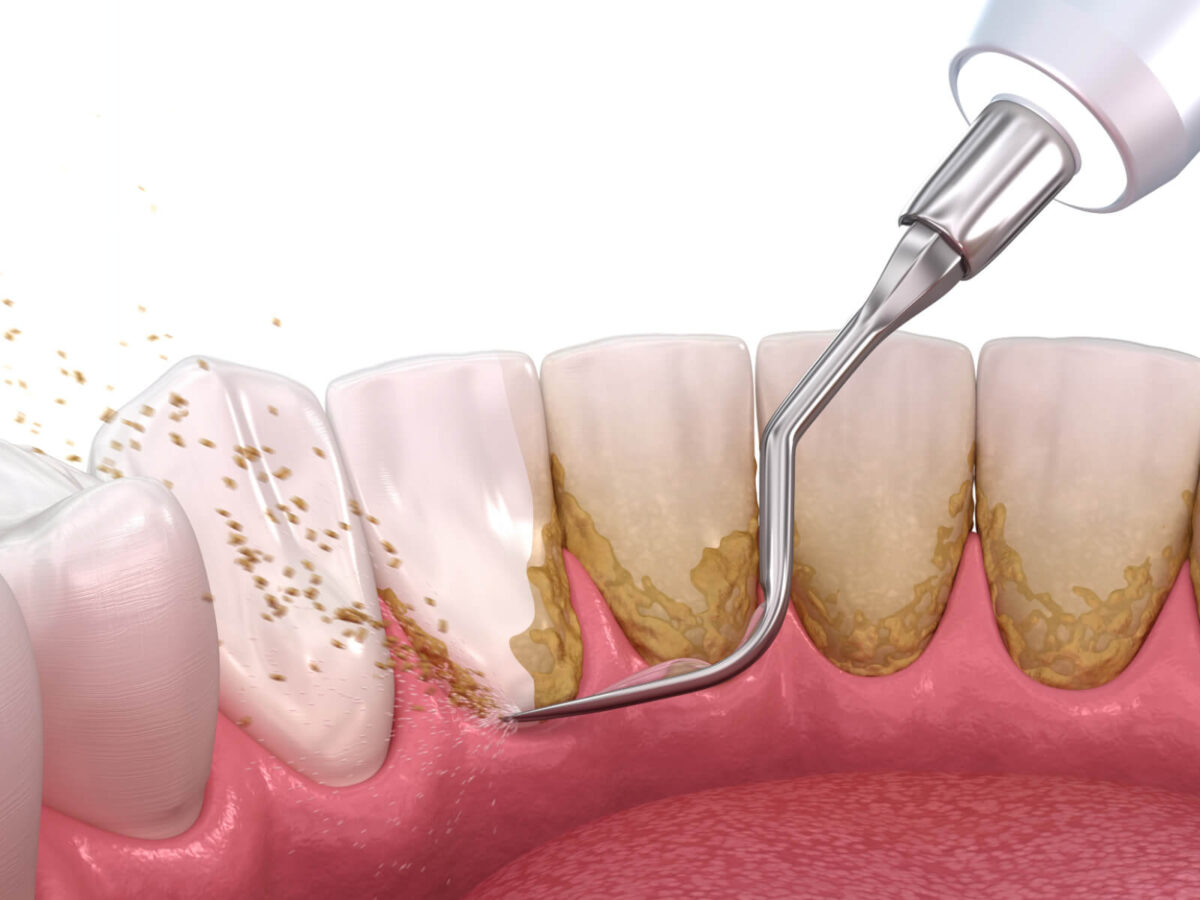
  • Plaque and tartar are removed
  • Your teeth get polished
  • Gums are checked for inflammation
  • Sometimes, fluoride is applied
  • You may get advice on brushing or flossing habits

It’s a deep reset for your mouth. But just like anything, the results won’t last if you don’t put in a little effort afterward. That’s where proper teeth cleaning aftercare comes in.

1. Be Gentle with Your Mouth

Right after a cleaning, your gums might feel a bit tender, especially if there was a lot of plaque buildup or if you haven’t had a cleaning in a while.

Skip hard or crunchy foods for a day or two and avoid brushing too aggressively. Your teeth and gums just had a workout; no need to hit them again with force.

A soft-bristled brush and lukewarm water during this time will help a lot. If you’re not sure about what’s okay, a quick call to someone like a Cypress Dental Office TX can clear things up fast.

2. Don’t Skip Brushing or Flossing

Your mouth will obviously feel very sensitive after cleaning. Even so, don’t stop brushing or flossing.

Continue brushing twice a day and flossing once, but when you do, do it very gently, especially near the gums. If you skip your normal dental routine, the cleaning will have no effect.

Using a non-alcoholic mouthwash may also help keep things clean without irritating your mouth further.

3. Avoid Staining Foods and Drinks

If your dentist did polishing or whitening, your teeth may be a little more porous right after the cleaning. That means they can pick up stains more easily, especially in the first 24–48 hours.

Try to avoid the usual suspects:

  • Coffee
  • Tea
  • Red wine
  • Tomato-based sauces
  • Dark berries

If you do indulge, rinse your mouth with water right after. That little habit can make a big difference in how long your teeth stay bright.

Some Cypress Dentist TX providers even recommend using a straw for dark beverages to reduce contact with enamel. Sounds small, but it works.

4. Watch for Bleeding or Sensitivity

Mild gum bleeding or tooth sensitivity right after a cleaning is normal, especially if you had tartar buildup or early signs of gum disease. It should go away within a couple of days.

If bleeding continues or your teeth feel unusually sore, don’t wait it out. A quick check-in with your dentist can rule out anything serious.

Teeth cleaning aftercare is all about listening to your mouth. Some soreness is okay. Lingering pain isn’t.

5. Drink Plenty of Water

Water is your mouth’s natural cleanser. Right after the cleaning procedure, drinking water helps flush out any leftover bits and keeps your saliva flowing. Saliva helps neutralize acids, wash away bacteria, and keep your enamel strong.

It’s a simple part of your post-dental cleaning care routine that is not taken very seriously but makes a big impact.

6. Skip Smoking or Vaping for a Bit

Tobacco and nicotine are not considered good for your teeth anyway. But they can especially irritate your gums after the cleaning procedure. They also stain your teeth and slow down healing in your mouth.

If you’ve been thinking about cutting back or quitting altogether, this might be a good time to start.

Even waiting 24–48 hours post-cleaning can help your gums bounce back faster and keep your teeth looking fresher.

7. Follow Any Extra Instructions from Your Dentist

Sometimes, your cleaning may include fluoride treatment, deep scaling, or other extras based on your specific needs. In that case, your dentist will likely give you specific instructions.

Maybe you’re told not to eat or drink for 30 minutes. Maybe you’re advised to avoid acidic foods. Whatever the case, follow it closely. If you have a deeper cleaning or treatment, your dentists, like your team at Cypress Dental Office TX, can provide customized care instructions that make recovery easier and results longer-lasting.

8. Schedule Your Next Appointment Sooner Rather Than Later

Sounds simple, but a lot of people leave the clinic without booking their next visit. Then they forget, get busy, and before you know it, it’s been over a year since their last cleaning.

Before you leave, book your next appointment, even if it is months away. This way, you’re way less likely to skip it.

Staying consistent with cleanings is one of the easiest ways to avoid cavities, gum disease, and all the bigger (more expensive) problems down the road.

Final Thoughts

That clean and fresh feeling after the procedure doesn’t have to be for the short term. If you care for your teeth properly afterwards, the benefits can last for a long time.

Be gentle with your mouth, skip the coffee for a day, and keep up your brushing and flossing routine. Most of all, listen to your mouth. And if you’re unsure about anything after your visit, visit a Cypress Dentist TX for personalized advice and support.
Categories
Dental care

5 Signs You May Need A Dental Crown

One of the most often carried out restorative treatments by a dentist is the placement of a dental crown. You might want a crown on a tooth for several different reasons. When you had a weak tooth before the crown was developed, the dentist would just have it removed.

Now, with crowns, you can easily get a damaged tooth repair and save the actual tooth. But the question is, when should one get a dental crown? It can be challenging to determine when a crown is required; hence, there is no a simple, rapid response.

Your Cypress Dentist TX is an expert at deciding whether a crown is required. Also, we wanted to assist you in understanding what a dental crown is and what the signs of possible need for one are in this article.

What is a Dental Crown?

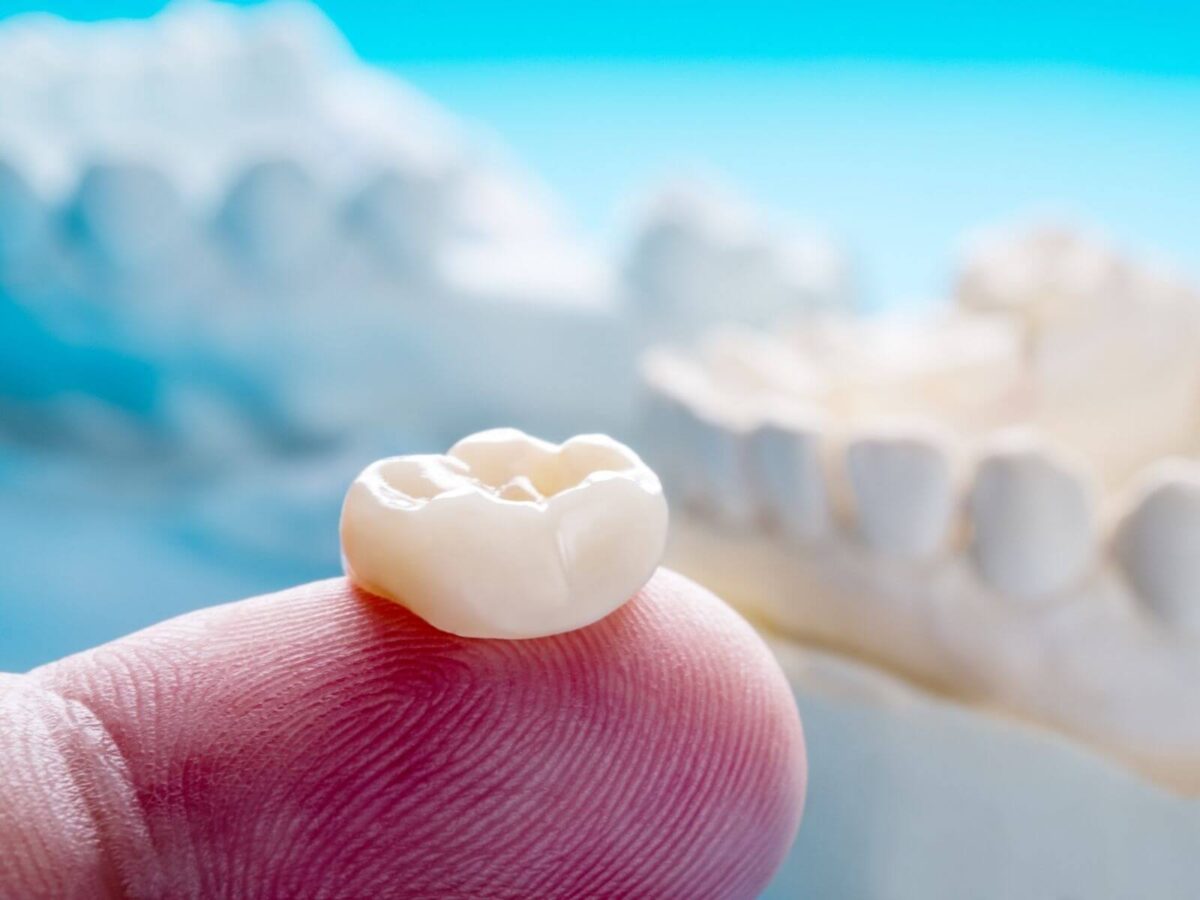
A tooth consists of two parts: the base and the crown. A tooth’s root is that part below the gum line. The crown of the tooth is the part seen above the gum. A dental crown is a covering spanning a tooth. It is one of the best dental restoration options.

Overlooking your tooth, this “crown” seems natural and shields it. A crown can also enhance the look, function, or contour of the tooth. It rebuilds the structural integrity and strengthens your tooth, thereby restoring its health.

A crown is either made up of porcelain, metal, or both. First, the dentist eliminates any decay from the tooth and then creates an imprint or mold for the crown. The mold is forwarded to a facility where a technician produces the real crown. At last the dentist cements the crown in place over the tooth.

Signs You Should Get A Dental Crown

The 5 main signs below suggest you could require a dental crown; each one is presented in a patient-friendly manner using sensible illustrations.

#1 Cracked Tooth

Though they are really powerful, teeth are not perfect. Eating hard food or grinding your teeth at night can produce chips and cracks. Despite its beauty, a broken tooth can damage the teeth and cause infections.

Clear chips or cracks can produce sensitivity while chewing down. Also, you can feel the pain that comes and goes. Dentists prefer a crown for such damaged tooth repair. Covering whole teeth, dental crowns hold them together and stop the crack from getting worse. It also helps the tooth to regain its form, thereby guaranteeing that it looks and performs normally.

#2 Aesthetic Enhancement

Dental crowns serve purposes beyond only covering broken teeth. They can also be used cosmetically to improve the look of trauma- or hereditary-caused malformed or discolored teeth. Other cosmetic problems could be smaller teeth than others, missing teeth compromising your smile, and reluctant stains not getting lighter.

In these cases, a dental crown improves the form, size, and color of the tooth and covers it, therefore acting as a cosmetic enhancement. Crowns provide a permanent solution, whether your goal is to correct a single damaged tooth or a more homogeneous smile.

#3 Root Canal

While the operation leaves the tooth hollowed out and weak, root canals save diseased or decaying teeth. Following a root canal, the treated tooth loses its nerve, so it does not experience pain, but also becomes more likely to break.

After the root canal treatment, following the operation, you can feel oral sensitivity and weak sensation while eating. A dental crown gives the tooth strength and guarantees it performs like your original teeth. The tooth runs the danger of breaking down from its weakening structure without a crown.

#4 Large Fillings

For tiny cavities, fillings are quite effective, but what happens when a filling covers more than half of a tooth? The surviving tooth structure might not be strong enough to withstand consistent chewing pressures. Here is where crowns are useful.

Important indicators are regular dental pain or discomfort and discoloration all around the filler. A crown offers necessary support if your tooth shows major deterioration or a big filling. Like armor, it shields the compromised tooth from more decay or fractures.

#5 Grinding Tooth

Either you clench your teeth during the day or grind them at night. Bruxism is a habit that, over time, wears down the surface of your teeth, causing pain, sensitivity, and an unequal bite. It can either flatten or wear tooth surfaces.

Furthermore, greater oral sensitivity can lead to jaw pain or headaches when waking. Dental crowns restore a tooth by covering its surface, allowing easy biting and eating. If grinding continues, your dentist may also advise a sleep guard to stop more damage.

Save Your Smile With Early Action

Your teeth are in constant conversation with you. When they exhibit wear, damage, or decomposition, pay attention. If you get a dental crown early on, you can avoid serious issues like infections or tooth extraction.

Consult your dentist about whether a crown is good for you based on the five signs. Those 5 signs are cracks, decay, a root canal, grinding your teeth, and issues with the tooth’s appearance.

See your dentist to determine whether, should you show any of the mentioned symptoms, a dental crown is needed. Don’t wait until the discomfort worsens or your tooth becomes weak. The benefits of dental crowns include restoring damaged teeth and providing essential protection to keep your teeth strong and healthy. Crowns also improve the appearance of your smile and support overall dental function.

Categories
Dental care

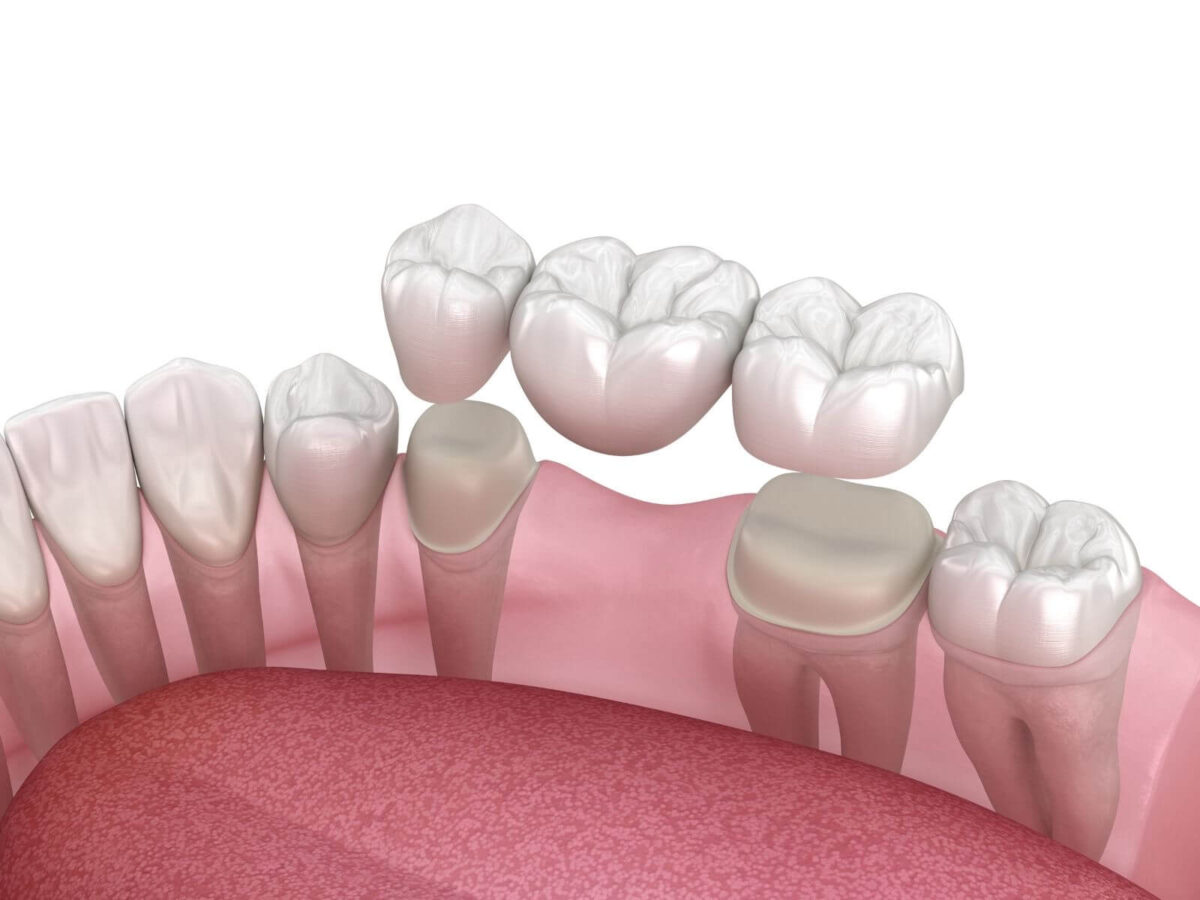
Is It Better To Get A Dental Implant Or A Bridge?

Missing teeth affect your self-confidence. People might look for the perfect way to restore their smile. Some suggest implants, while others might ask to get dental bridges. Among other types of dental restoration, these two are the most popular. However, both these procedures come with their risks and benefits. You need to compare these before getting the alternatives.

This article is a guide to compare the best options for smile restoration. You can compare dental implants with dental bridges. This article will help you evaluate the right procedure to restore oral function. It will also suggest procedures that will support your jaw. You can explore which procedure is best suited to your needs.

Dental Bridge Vs. Implants

Dental bridges are best suited for those with dental insurance. They do not require other complex procedures, such as bone grafting. You can restore your smile with bridges properly. You need just one or two visits. It has lower upfront costs. Also, the natural-looking tooth acts as a benefit for the bridges.

On the other hand, dental implants offer a more lasting solution. It can last over a decade. It requires maintenance. Implants also have higher success rates than other alternative treatments. They are expensive and can cost over $3K. Most insurance does not cover dental implants.

Every treatment procedure has its drawbacks and advantages. It depends on your budget and needs; which treatment is best suited for you? You can also consult with your dentist to evaluate these procedures.

Dental Bridge and Its Pros And Cons

Let us explore dental bridges by looking at their pros and cons. You can learn more about dental bridges to understand them better.

Pros

  • Dental bridges are likely to be covered by insurance.
  • It doesn’t require bone grafting or invasive surgery. You do not need to undergo complex surgeries to get this.
  • It usually has a lower upfront cost than implants. It is much more affordable.
  • It might require just two dental visits. These visits are spread over a couple of weeks. You do not need to get individual treatment like for implants.

Cons

  • It requires replacement every 5 to 7 years. It can last more than 10 years but with proper care.
  • Dental bridges offer a natural-looking appearance with age
  • This can lead to more cavities and tooth decay. You need to keep neighboring teeth hygienic to prevent them from getting cavities.
  • It can damage the healthy teeth around the missing tooth.

Dental Implant Pros And Cons

Let us explore implants by looking at their pros and cons. This way, you can learn more about the implants. You can easily determine if it is right for you with these pros and cons.

Pros

  • It is much more durable. It can last over 15 years. It is one of the long-lasting options on the market.
  • It retains a natural-looking appearance for much longer than dental bridges.
  • They do not cause damage to the surrounding tooth. It doesn’t damage the healthy teeth around the implant.
  • It has a very high 10-year-plus success rate

Cons

  • It is less likely to be covered by any dental insurance. You might have to pay for this out of your own pocket.
  • This process can take up to 6 months. It requires individual sessions for each implant. You might have to revisit the dentist for the next implant procedure.
  • It has a higher upfront cost. It is much more expensive than dental bridges.
  • This can also lead to surgical complications. This is a more invasive procedure than dental bridges.

How To Select The Right Treatment?

The best alternative to missing teeth depends on your preference. If you need an affordable option, you can go with dental bridges. They are less invasive than implants. Otherwise, dental implants are best suited for a long-lasting solution. Here are some factors that will help you compare the right treatment option for you:

  1. Total Cost Of Procedure
    The budget for your treatment is usually the determining factor. You can also try partial dentures or other affordable dental treatments. These are great, especially if you are on a budget. Dental insurance is more likely to cover only dental bridges. But you must finalize a budget first if you don’t have one. Then you can look for the right option.
  2. Number of Missing Teeth.
    Implants require separate sessions for each missing tooth. This is why dental bridges are recommended for people with more missing teeth. The implant procedure is extremely expensive and invasive. You can explore dentures or other options if you do not find dental bridges as reliable.
  3. Overall Oral Health
    The dental implant procedure involves surgery. That’s why it is not an excellent option for most people with health problems. It might take much longer to heal. It also is more expensive than dental bridges. Diabetes or leukemia patients are not recommended for invasive oral procedures. They can get dental bridges or even dentures as a better option.
  4. Time
    Dental implants might take months to complete the procedure. At the same time, dental bridges are quick and affordable. People who need quick solutions for missing teeth can get dental bridges. One can also explore other missing teeth alternatives, such as dentures, if one wants more options.

Conclusion

Every person has their personal preference about their oral procedures. One might look for affordable procedures, or the other might look for a quick fix. Every pro and con must be appropriately evaluated to determine the right one for you. If you need the expert option, it is best to consult a dentist.

You can visit our experts at Cypress Dental Office to explore more about missing teeth alternatives. You can learn more about implants or dental bridges. You can also compare these two in detail to find the right one for your oral health.

Categories
Dental care

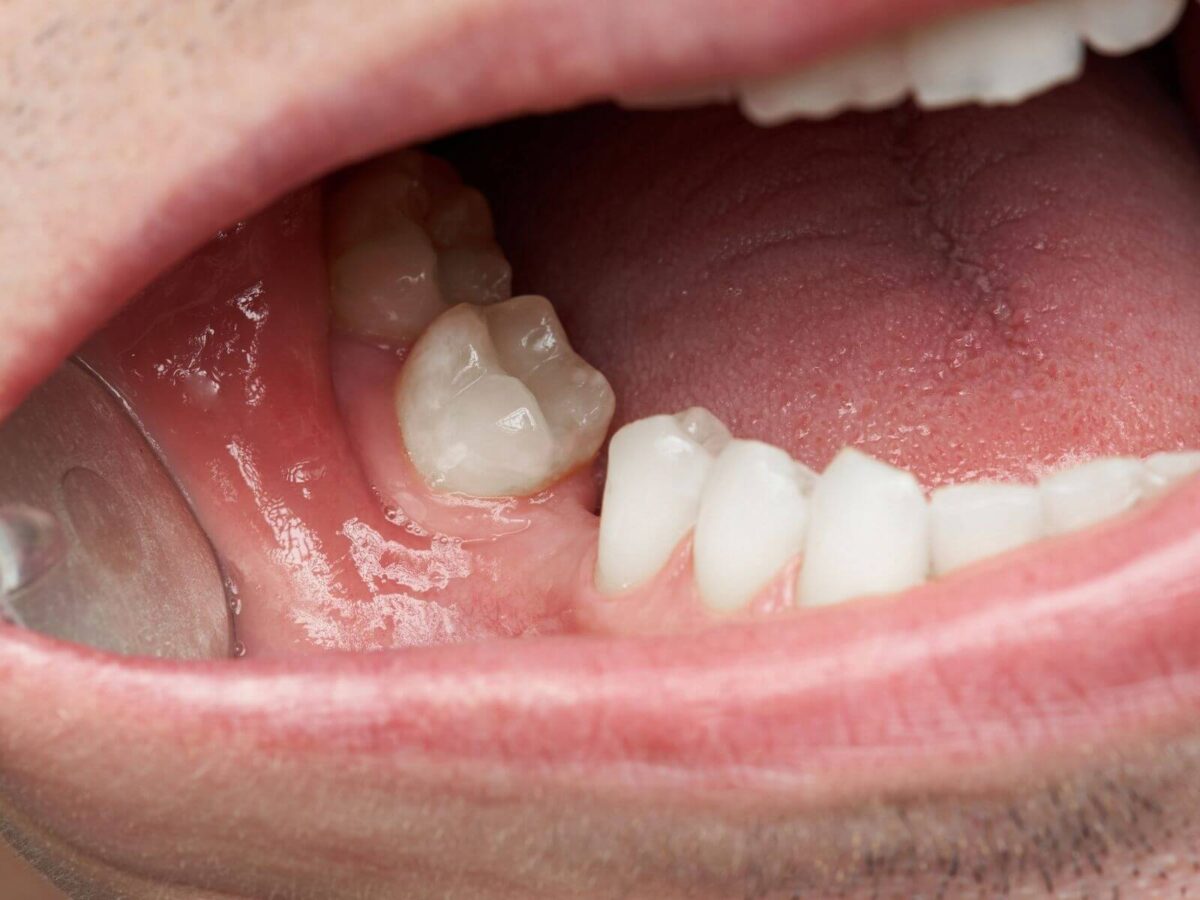
Why Replacing Missing Teeth Is Essential

Having missing teeth creates significant negative impacts on your daily activities. Multiple consequences result from losing one or more teeth. A missing front tooth within the visible smile area leads to an immediate loss of self-confidence. The significance of tooth replacement directly affects our social presence since it could force us to become wholly hidden behind closed lips during public interactions.

When individuals choose to leave a single missing tooth untreated, they expose themselves to health difficulties that could have been prevented. The inconspicuous position of a back tooth loss may make you assume it lacks importance during your smile. Poor oral health, combined with inefficient chewing, becomes inevitable when you fail to address your missing teeth.

The Impact of Missing Teeth on Oral Health

Several crucial factors depend on the correct treatment of missing teeth.

Preventing Bone Loss:
The tissues that support teeth naturally disintegrate because missing teeth fail to activate the jawbone. A missing tooth causes the loss of bone tissue while altering facial shape and ultimately deteriorating oral health. Placing restorative treatments such as implants and bridges protects jawbone strength by blocking deterioration.

Avoiding Shifting Teeth:
When any space forms inside your mouth, other teeth will naturally shift, resulting in problems with your bite alignment and misalignment. The restorative dentistry professionals at Cypress Dental will develop individualized solutions to achieve proper tooth alignment.

Improving Chewing and Speech:
Any open gaps in your teeth transform eating and talking into more complex tasks. Dentures and bridges will restore the essential functions of teeth when they replace missing teeth.

Minimizing Gum Disease Risk:
The vacant areas created by missing teeth enable food and bacteria to collect, heightening the possibility of tissue infections. Regular care and gum disease treatment at Cypress Dental remain vital for oral health.

Restore Function of the Mouth:
The oral function depends on proper coordination between lips, teeth, and tongue movement to achieve specific sounds.

The absence of front teeth reduces sound clarity until the patient can restore their missing teeth through replacement. The total biting capacity diminishes when you lose teeth; thus, people who need restored functionality and want improved speaking and chewing abilities should replace their missing teeth. The new teeth combine with natural teeth to restore both the function and aesthetics of the bite for people.

Prevent Jawbone Loss:
Jawbone atrophy becomes more likely when teeth are missing. Tooth roots usually stimulate jawbone development, but without them, the jawbone will stop growing. People who lose their teeth will lose 25% of their jawbone structure within the first few months after tooth extraction, and this percentage continues to diminish annually. Jawbone loss prevention is possible through the replacement of missing teeth.

Maintains Original Facial Structure:
The absence of teeth eventually alters a person’s facial contour through the facial cheek collapse near empty tooth locations. Such replacement needs must be discussed with a dentist to determine suitable options. People who replace their missing teeth can protect their facial structure and stop their cheeks from sinking.

Replacement of Missing Teeth Brings Back Aesthetic Appeal Together With Self-Assurance:

A missing tooth leads to an unappealing smile and decreased confidence in the person affected. Posing with exposed teeth makes most individuals uncomfortable because of their self-consciousness and reduced self-assurance. Numerous studies prove that tooth loss and improperly positioned teeth deeply affect the self-perception of everyone across different age groups. Placing dental replacements helps enhance their smiles and increase their self-confidence.

Maintain Bite Mechanics:

Replacing any lost tooth needs urgent attention because it preserves the bite mechanics. Postponing a tooth replacement will create bite-related difficulties and result in neighboring durable teeth weakening to the point of destruction. A person must replace all missing teeth immediately to preserve bite mechanics.

Neighboring Teeth is Protected:

The complete set of adult teeth inside the mouth works together to protect enamel health and maintain proper alignment of teeth while sharing the chewing demands across all teeth to prevent their movement. Replacing missing teeth prevents bone deterioration and keeps the neighboring teeth securely anchored as they prevent drifting into gaps. Tooth alignment changes and inadequate tooth fit result from this process, generating abnormal tooth wear and affecting jaw function.

Types of Teeth Replacements: Selecting the Best Option

1. Dentures
Complete dentures function as an artificial alternative to completely restore every tooth in one’s smile when all natural teeth have been lost. On the other hand, people who have lost only some of their teeth can benefit from partial dentures for missing teeth, which are designed to blend seamlessly with the remaining natural teeth for a comfortable fit and realistic appearance.

2. Dental Implants
This implant functions like regular teeth do, so it provides enduring durability. Dental implants are the preferred choice for users needing powerful denture teeth.

3. Bridges
The replacement of bridges proves helpful for patients with several missing teeth. The bridge functions to achieve full functions by being supported through its connection to neighboring teeth.

Daily Care
You must allocate additional time to your daily oral routine when using fixed partial dentures following the installation. Under the new teeth placement area, food, together with debris, will be able to collect.

Dental and water floss threaders enable you to reach all spaces beneath your fixed partial denture for better cleaning. Small brushes allow you to clean the areas near dental implants effectively. Discuss available denture cleaning methods with your dental hygienist and learn how to use them. Buffing through different options will help you discover an effective dental hygiene product.

Taking these steps will support good health in all areas of your mouth:

  • Use fluoride toothpaste to brush your teeth at least two times daily.
  • Clean between your teeth daily.
  • Follow a balanced dietary plan that decreases sugar-containing snacks and drinks.
  • Look for dental products with the ADA Seal of Acceptance to find acceptable options for care.
  • Visit your dentist for exams to check your oral health status and confirm the good alignment and intact condition of your fixed partial denture.

Conclusion

When teeth go missing or disappear, they affect your ability to chew, talk, and apply balanced forces when your teeth contact each other. We have different options to restore your teeth if they are lost or missing from your mouth. Consult your dentist to discuss suitable replacement solutions for your condition.