
Blog
Dental hygiene tips for healthy teeth & gums
Root Canal vs Extraction: Pros, Cons, and Cost Comparison
Why Patients Often Compare Root Canal And Extraction
A sharp toothache tends to get attention fast. People usually book a dental visit once the pain starts digging deep into a tooth. That kind of discomfort can point to infection or serious decay. After the dentist checks the area, the talk often shifts to two possible ways to deal with it.
One option aims to save the tooth. The other removes it completely. This is where the discussion of root canal vs extraction begins.
Patients naturally want clear answers. Which option lasts longer? Which one costs more? And which treatment helps avoid future problems? Dentists usually consider a few things before deciding.
The condition of the tooth matters. The surrounding bone is another factor dentists consider. A person’s overall oral health matters as well. Before recommending a root canal or extraction, dentists usually take time to evaluate these details carefully.
What A Root Canal Treatment Does
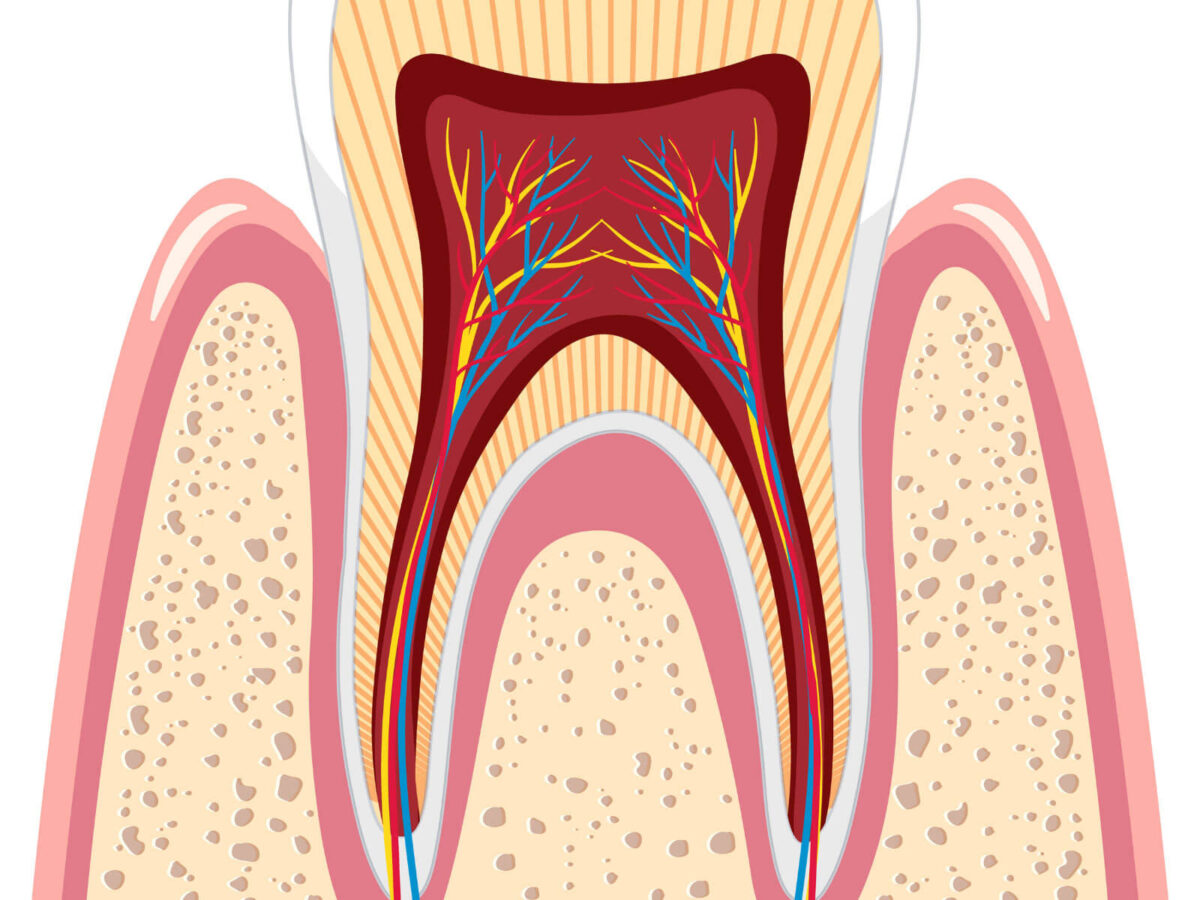
A root canal is usually done to save the natural tooth whenever it can still be restored. Trouble often starts when bacteria reach the pulp at the centre of the tooth. This soft inner tissue contains the nerve. Infection in that space can gradually affect surrounding structures.
The dentist treats the issue by removing the infected pulp from the tooth. The narrow canals are cleaned carefully. The canals are then shaped and sealed. It helps block bacteria from getting back inside.
With the infection gone, the tooth is commonly strengthened by placing a crown on top. This covering strengthens what remains of the tooth and allows normal biting and chewing.
In the discussion of tooth root canal vs extraction, preservation becomes a key benefit. Keeping the original tooth helps maintain spacing between teeth and supports healthy jaw movement.
The American Association of Endodontists reports a very high number of procedures each year. More than fifteen million root canal treatments are performed annually in the United States.
What To Expect During A Tooth Extraction
There are situations where repairing the tooth is no longer realistic. In those cases, the dentist may suggest taking the tooth out of the jaw. That process is known as extraction. Sometimes the decay is too extensive. In other cases, infection has already weakened the tooth beyond repair.
The procedure itself can vary. Some extractions are simple. The tooth is slowly loosened by the dentist before being removed from the socket. Other cases take more effort. A surgical extraction may be necessary when the tooth is broken or positioned below the gum line.
After the tooth is removed, the body begins working on the area almost immediately. A clot forms in the empty socket first. It protects the bone and helps the early healing process begin. Over the next several days, the gum tissue slowly moves across the opening.
But extraction can lead to another decision. A missing tooth usually leads to another discussion. Patients often explore replacement choices like implants, bridges, or dentures.
Pros Of Root Canal Treatment
One major benefit of root canal therapy is preservation. The natural tooth stays in place. That alone helps maintain the normal structure of the mouth. Many people also find chewing easier when their own tooth remains. The root stays anchored in the jaw, continuing to support the bone in that area.
There is another reason dentists try to save the tooth. Gaps can cause problems. Teeth nearby may begin drifting toward that open space. Not immediately, but gradually. Keeping the tooth helps prevent those changes and keeps the bite steady.
A treated tooth can also last a long time. The key is care. Daily cleaning plays an important role. Dental checkups also play an important role. When these habits are maintained, treated teeth can continue working well for many years.
Cons Of Root Canal Treatment
Not every case can be finished in one sitting. Some teeth need another visit. The severity of the infection inside the tooth usually determines this. In some cases, the dentist treats the infection first. The final restoration is placed during a later visit.
The treated tooth may also become a bit weaker afterwards. Removing the inner pulp changes the structure slightly. For this reason, dentists often recommend placing a crown once the treatment is complete. The crown protects the tooth. It also helps restore normal chewing.
Another factor that sometimes enters the discussion is cost. While saving the tooth has clear advantages, the overall price may increase once crowns and additional appointments are included.
Pros Of Tooth Extraction
Extraction may be the most practical choice when the tooth is severely damaged. Removing the tooth eliminates infection quickly. The procedure is often faster than root canal treatment. For some patients, the immediate cost is also lower.
Sometimes the tooth simply cannot support a restoration. The structure may be too weak or too damaged. In those cases, extraction may be recommended to prevent repeated infections.
Cons Of Tooth Extraction
Extraction can solve the immediate dental problem. The infection may be gone. The pain may fade as well. Removing the tooth solves the problem, but it leaves a gap.
Over time, that space can affect nearby teeth. Slowly, sometimes without being noticed at first, nearby teeth may begin shifting toward the gap. Even small movements can change bite alignment.
Bone changes may happen too. Tooth roots help keep the jawbone active. Without that root in place, the bone in that area may gradually shrink.
Because of these changes, dentists often bring up tooth replacement. Patients may hear about options like dental implants or bridges during that discussion.
Cost Comparison Between Root Canal And Extraction
Cost often enters the conversation when people compare root canal vs extraction. A root canal may seem more expensive at first. A simple extraction usually costs less upfront.
But the process does not always stop there. Once a tooth is removed, the empty space can lead to other choices later. Some patients consider implants. Others look at bridges or dentures. Those treatments can sometimes cost more than the original extraction.
Because of this, saving the natural tooth can sometimes be the more practical choice over time. It often helps maintain normal function as well. The American Dental Association highlights the same idea. When possible, keeping natural teeth helps support oral health over time.
How Dentists Decide Which Option Is Better
Before recommending treatment, dentists look at several details. The amount of remaining tooth structure often matters the most. A root canal may be recommended when most of the tooth remains healthy. Serious fractures or extensive infection may make extraction necessary.
FAQs
Is the decision always easy?
Not necessarily. Dentists consider several details first. The condition of the tooth matters. So does the health of the surrounding bone.
Which option lasts longer?
A treated tooth can last quite a while. Good care makes that possible. Removing the tooth fixes the immediate issue, but it may lead to thinking about replacement later.
Which option costs less?
Tooth removal usually costs less at the start. Replacement treatments later can increase the total cost.
Which option is healthier for the mouth?
If possible, dentists aim to keep the original tooth. Keeping it helps maintain normal function and alignment.
Conclusion
Sometimes the decision is not simple. Saving the tooth is one option. Removing it is another. Both treatments can deal with infection or severe decay. Either approach may solve the immediate problem.
But understanding root canal vs extraction helps patients see the situation more clearly. If the tooth can be restored, saving it usually offers advantages. It allows normal chewing to continue and helps maintain proper balance between the teeth.
Serious tooth pain is a warning sign. Infection may be present. At that point, a dental visit is a good idea. They may check the bone and surrounding gums as well. After that, they can explain the treatment options and help determine which one would protect your oral health.

