
Blog
Dental hygiene tips for healthy teeth & gums
Does Dental Cleaning Damage Tooth Enamel?
What People Usually Think About Dental Cleaning
Dental cleaning sounds simple at first. You just sit down, and the hygienist starts working on the buildup. Nothing too complicated there. By the end, your teeth feel smoother, cleaner, almost polished, or at least that is what most people expect going in.
Even then, this question shows up a lot. Does dental cleaning damage enamel? And it makes sense. On the outside of the tooth, enamel is the layer that handles most of the daily stress. It is what takes most of the daily wear and protects what is underneath. Once it wears away, it does not really grow back. That alone is enough to make people a bit careful.
Some of the concern comes from how it feels. There is scraping, a bit of pressure, and sometimes slight sensitivity after. It can feel rough in the moment. But the way it feels can be a bit misleading. It might seem rough while it is happening, though the process itself is controlled and meant to keep your teeth safe.
As per the American Dental Association, professional dental cleanings are designed to clear away plaque and tartar without harming the tooth structure when done correctly.
What It’s Like During a Dental Cleaning
A dental cleaning is not just one quick step. It usually begins with a short check, just to see how things look, like plaque, tartar, and the gums. That part is fairly quick.
Then comes the cleaning. The hygienist works through the buildup, especially tartar, which does not really come off with brushing. That is where most of the effort goes.
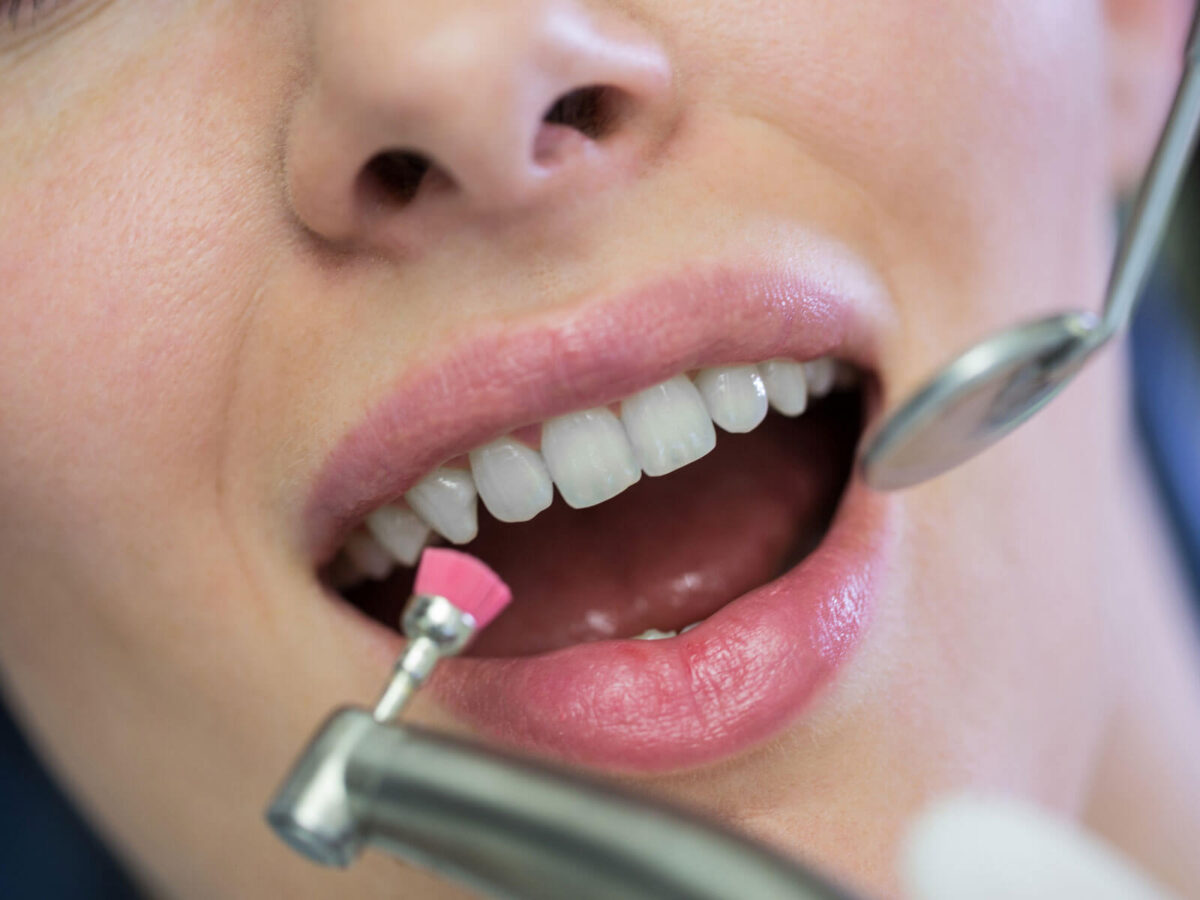
After that, your teeth are polished. It smooths the surface and clears away lighter stains. At the end, there is flossing, and sometimes fluoride is applied too.
Even if it feels routine, it is not just random steps. Each part is there to deal with buildup, not to harm the enamel.
What Causes That Sensitivity After a Dental Cleaning
After a cleaning, there can be some sensitivity. Not for everyone, but it happens. When it does, it makes you wonder what changed. Sometimes it even makes it seem like the enamel might have been affected.
But that is usually not what is going on. A lot of the time, tartar has been sitting on the teeth for a while, covering certain areas. You do not really notice it while it is there. Then once it is removed, those same spots are suddenly exposed.
That is when sensitivity shows up. Particularly with cold or hot foods. It can feel sharper than usual for a bit, nothing too long though. Still, the tooth itself is not damaged. It is just reacting to that change.
That is why people start wondering things like does teeth cleaning damage enamel. It feels different. That can make it seem a bit off at first. It usually settles after a bit. On its own, most of the time. Nothing much needs to be done.
What Enamel Actually Is And Why It Matters
Enamel is quite strong, actually, the hardest in the human body. It is the outer layer of the tooth and protects what is inside. That part is important. But even something that strong can wear down over time. Acidic foods, grinding, or even small daily habits can slowly affect it. It is not always obvious, but it happens gradually.
It can feel a bit rough in certain parts of the cleaning. That part tends to stand out. The tools, though, are meant for plaque and tartar, not enamel. That is usually where questions like “Does dental cleaning damage enamel?” come from.
Why Getting Rid of Tartar Helps
Tartar buildup is not something you can remove at home. Once plaque hardens, brushing and flossing do not really help much with it anymore. When it stays on the teeth, it holds onto bacteria. That can slowly start irritating the gums over time.
Removing tartar helps keep both teeth and gums in better shape. It also helps lower the chances of decay over time. That is often when people start asking things like does professional teeth cleaning damage enamel?” The process can feel a bit rough, so it is easy to think that way. But without proper cleaning, the risk to enamel is actually higher.
How Professional Cleaning Is Different From Daily Brushing
Brushing is a daily habit. It helps remove soft plaque before it turns into something harder. Professional cleaning is not quite the same. It goes further, especially when there is buildup that brushing cannot handle anymore. The tools used are more precise, and they are handled carefully. It might feel a bit rough, but it is still controlled.
At the same time, brushing too hard at home can slowly affect enamel. It is something people do not always notice. That is often why “does teeth cleaning damage enamel” gets misunderstood.
When Cleaning Might Feel Slightly Uncomfortable
Not every cleaning feels the same. Some are quick and go by without much notice. Others can feel a bit uncomfortable, depending on the situation. A lot of it comes down to the amount of tartar present there. When there is more buildup, it usually takes a bit more effort to remove.
Gums can make a difference, too. If the gums are sore already, the cleaning can feel more sensitive. That can feel a bit concerning at first. But it does not mean anything is being damaged. It is usually more about how things were before the cleaning. Once the buildup is gone, many people notice their mouth feels better than before.
What Regular Cleanings Do Over Time
Skipping cleanings can seem fine at first. Nothing really feels off. But plaque still builds up over time. That plaque produces acids. Over time, those can start affecting the enamel. It is gradual, not something you notice right away.
Regular cleanings take care of that buildup early. So they are really helping protect enamel, not damage it. That is where questions like “Does dental cleaning damage enamel?” tend to come in. It makes more sense when you look at the long term.
What Research And Dental Experts Say
Dental organizations generally support professional cleanings as part of routine care. It is something that keeps coming up in recommendations. They also point out that cleanings are safe when done by trained professionals. The tools and techniques are designed to work on the buildup, not the tooth itself.
Research has shown similar things. Regular cleanings help reduce the chances of tooth decay as time goes on. This is also where people start wondering things like does professional teeth cleaning damage enamel. But the evidence does not really support that concern.
FAQs
Can a cleaning at the dentist harm your teeth?
No, it doesn’t harm your teeth. You may be a bit of discomfort. But that’s pretty normal during a cleaning.
Why do teeth sometimes feel sensitive afterwards?
That usually comes from the buildup being removed. Areas that were covered feel different for a bit.
Do you really need professional cleanings if you brush daily?
Yes, because brushing cannot remove hardened tartar.
What if you just skip cleanings altogether?
Over time, buildup can increase and start affecting both gums and teeth.
Conclusion
Dental cleaning may feel intense at times. The tools, the sounds, the sensation. All of it can create the impression that something harsh is happening. The focus is on keeping things healthy. Removing buildup helps both teeth and gums over time. Understanding “does dental cleaning damage enamel” helps clear up a common misunderstanding.
If something about cleanings or sensitivity is on your mind, just ask your dentist next time you go. Even something like “does teeth cleaning damage enamel” comes up pretty often.

