
West Green Family Dental

Categories
Dental care

6 Signs You Need Emergency Wisdom Tooth Removal

Wisdom teeth can stay quiet for years. You know they exist, but they rarely cause trouble. Then out of nowhere, something feels different. There’s a faint pressure near the back of your jaw. It’s easy to dismiss at first. Maybe you think you bit down wrong. Maybe it’s just tension from a long week.

But the feeling sticks around.

That’s when the uncertainty begins. Is this normal irritation, or is it turning into something that might require emergency wisdom tooth removal? Most wisdom tooth pain doesn’t jump straight into emergency territory. Still, certain symptoms don’t resolve on their own. Ignoring them can give a small issue time to grow.

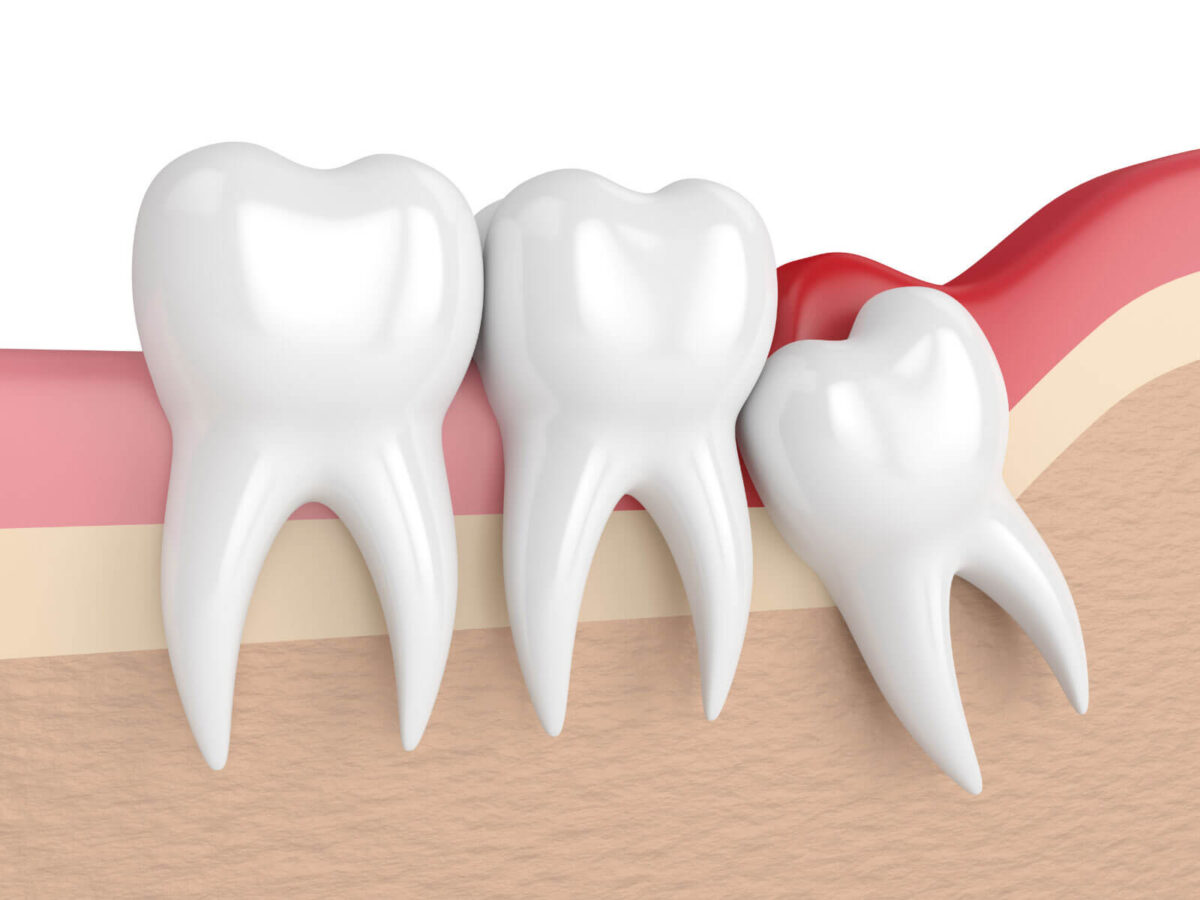
Wisdom teeth are just your last set of molars. The ones all the way in the back. A lot of people have trouble with them.

That sounds scary at first. But being impacted doesn’t automatically mean something terrible is happening. Some people barely notice anything at all. It depends on your mouth.

Some warning signs change the picture completely. Those are the signs you should not ignore.

When the Pain Doesn’t Ease Up

Some soreness while a tooth is pushing through is pretty common. You expect that. What’s harder to ignore is pain that turns sharp and sticks around.

Pain that spreads beyond the tooth and into your ear or jaw usually isn’t minor. Sometimes it throbs in waves. Sometimes it just presses and doesn’t let up.

Pain that grows stronger day after day instead of settling is often an early warning. In those cases, emergency wisdom teeth treatment might be necessary.

And when discomfort steals your sleep, it’s rarely minor.

Swelling That Changes the Shape of Your Face

Tender gums are one thing. Real swelling is different. You can see it. You can feel it. One side of your jaw might look slightly bigger. It may even feel warm when you press on it. That’s usually not a simple irritation. That can sometimes mean there’s a deeper issue beneath the gum.

When a wisdom tooth only comes in halfway, bacteria love that space. Food gets stuck. The gum traps it. Pericoronitis can develop, and once it does, it doesn’t always stay mild.

If the swelling starts changing how your face looks or pushes into your cheek, that’s when emergency removal of a wisdom tooth can become necessary.

And once infection settles in, swelling rarely just fades on its own.

Difficulty Opening Your Mouth

Jaw tightness can go unnoticed. You may find opening wide feels difficult. Eating feels awkward. Brushing the back teeth becomes uncomfortable.

This limitation, known as trismus, often accompanies deeper infection or inflammation. It isn’t simply gum soreness.
When jaw restriction appears alongside pain and swelling, it strengthens the likelihood of a dental emergency wisdom tooth situation.

Your body doesn’t restrict movement randomly. It does so to protect the inflamed tissue.

Persistent Bad Taste or Visible Drainage

A persistent bad taste is easy to dismiss at first. You might think it’s something you ate. But when it sticks around, especially with slight drainage near the wisdom tooth, it’s usually not random.

Drainage often means bacteria are sitting below the gum line. Mouthwash can disguise the taste for a while. It can’t help with what’s underneath.

When the problem keeps returning, it’s rarely random. Sometimes, emergency wisdom tooth removal is what finally stops the cycle.

Fever and General Illness

A wisdom tooth problem should stay in your mouth. If it starts affecting your overall health, that’s when urgency increases.

A fever or tender glands under your jaw usually mean it’s not just local discomfort. It can mean the infection is moving beyond the area. The World Health Organization has explained that serious dental infections can affect overall health when they’re left untreated. [Source]

When pain in the back of the jaw is accompanied by systemic symptoms, this often moves from inconvenience to legitimate emergency wisdom teeth care.

Your body is signalling that it needs help containing the infection.

Pressure Damaging Nearby Teeth

Wisdom teeth rarely erupt perfectly straight. Many grow at angles, pressing against adjacent molars. As time passes, the pressure may harm adjacent teeth or form pockets that trap bacteria.

According to AAOMS data, impacted wisdom teeth increase the risk of decay in second molars due to difficult cleaning access. [Source]
You may not see the damage yourself. At times, the only clue is extra sensitivity in the tooth beside the wisdom tooth.

If the teeth around it are threatened, your dentist may consider emergency removal of the wisdom tooth. This helps to reduce the risk of bigger treatments later.

Why Early Action Matters

A lot of people pause when they hear the word “emergency.” It sounds intense. That alone can make someone wait longer than they should. But early care is often what prevents bigger procedures later.

Taking care of it sooner reduces the chance of infection spreading beyond the area. It also protects nearby teeth and the surrounding bone from unnecessary damage.

Most of the time, emergency wisdom tooth removal isn’t dramatic. It’s really about timing things before they get worse.

What the Procedure Actually Feels Like

When someone mentions an urgent extraction, it can hit hard. The term alone is enough to create tension. But the actual procedure is usually no more dramatic than a scheduled removal.

After imaging confirms what’s going on, the dentist or oral surgeon takes out the tooth to remove the source of the trouble. Local anaesthesia or sedation keeps things manageable during the process.

Interestingly, many people say the worst part was the pain before the appointment. Once the inflamed area is treated, there’s relief. The post-procedure soreness feels different. It is more controlled and less sharp.

FAQs

How do you know when it’s truly urgent?

When pain builds day after day, or swelling and fever enter the picture, it’s probably more than a minor issue. That’s when it may become a dental emergency wisdom tooth concern.

Can infections from emergency wisdom teeth spread further?

They can if ignored. Sometimes they move into nearby tissues. In uncommon cases, they spread beyond the mouth.

Is the emergency removal of a wisdom tooth more difficult than a planned extraction?

It’s usually treated much like a planned extraction. Getting it done sooner often makes recovery easier.

Should I wait and hope it improves?

Mild soreness may pass. Worsening symptoms usually won’t.

Conclusion

Not every wisdom tooth turns into a problem. But when one does, it rarely improves by ignoring it. Knowing the signs that point toward emergency wisdom tooth removal helps you step in before things get harder to manage. Intense pain. Swelling that changes your face. Difficulty opening your mouth. Fever. Drainage. Those aren’t symptoms to brush aside.

If you think you’re dealing with a dental emergency wisdom tooth issue, don’t wait it out. Call your dentist. Schedule an urgent evaluation. Getting answers quickly protects your comfort and prevents bigger complications. Sometimes the smartest move isn’t hoping it settles down. It’s picking up the phone and taking action.

Categories
Dental care

How Professional Teeth Cleaning Keeps Your Smile Radiant & Strong

Teeth usually look fine until they don’t. That’s part of what makes professional cleanings easy to postpone. Brushing feels routine. Flossing happens when remembered. Nothing hurts, so everything must be okay. That assumption is common, and it’s also why dental problems tend to build quietly.

Professional teeth cleaning doesn’t exist to fix obvious problems. It exists to catch the ones that don’t announce themselves. This is where long-term oral health care actually begins, not with treatment, but with maintenance that keeps things from slipping in the first place.

Why Home Care Can Only Go So Far

Daily cleaning plays an important role. But some areas are simply harder to reach. Plaque can linger there, and with time, it becomes something brushing doesn’t fully deal with anymore.

This tends to happen near the gumline and between teeth. Those areas don’t always look inflamed right away. Irritation often starts below the surface, quietly, and that’s often how gum disease begins.

Professional cleanings step in at that point. They become part of long-term oral health care and support preventive dentistry, especially when visits are guided by a dentist in cypress TX.

What Professional Cleaning Actually Does

A professional cleaning focuses on buildup that’s attached firmly to the teeth. Once it’s removed, surfaces feel smoother and less irregular.

Once the buildup is cleared away, the overall picture changes. Small gum changes or early enamel wear become easier to spot. In some situations, early gum disease shows up at this stage.

That’s why cleanings sit at the centre of preventive dentistry. They support long-term oral health care by making small issues easier to notice early, especially during visits with a dentist in cypress TX.

Why Gums Matter More Than Most People Think

Teeth rely on the gums around them. That support matters over time. Irritated gums usually change over time, not in one sudden way. Early gum disease usually isn’t painful. The signs can be easy to miss. A little bleeding, some tenderness, and even swelling that comes and goes.

Professional cleanings help reduce what’s irritating the gums. With less pressure there, things have a chance to settle before getting worse.

The Connection Between Cleanings And Strength

Strength in the mouth isn’t only about enamel. Stability matters just as much. Teeth don’t stay in place because of one surface alone. The support around them plays a big role.

When plaque and tartar sit along the gumline, changes can start underneath without being obvious. There’s no sudden shift. Teeth don’t loosen overnight. The process stays quiet and gradual.

Routine cleaning helps interrupt that buildup before it has time to keep spreading. It supports oral health care early, instead of waiting until damage becomes harder to deal with.

Why Clean Teeth Look Brighter

A professional cleaning clears away surface stains that collect over time. Everyday habits tend to leave traces behind. Once that buildup is gone, teeth often appear brighter on their own. Nothing artificial is added. The natural surface is simply more visible again.

A cleaner surface also makes daily brushing easier. The brightness that follows tends to reflect overall health rather than a cosmetic change.

How Cleanings Reduce Future Dental Work

A lot of dental procedures start with things that could have been addressed earlier. Plaque buildup doesn’t always cause problems right away. Over time, it can play a role in cavities, while bacteria near the gums can affect things too.

Professional cleanings help keep those areas from becoming more complicated. When buildup is managed, the need for more involved treatment often comes up less often.

This way of handling care fits with preventive dentistry. The focus stays on keeping treatment needs smaller over time.

Why Regular Care Matters

One cleaning helps, but the pattern matters more than the individual visit. Plaque forms constantly, and buildup changes slowly over time.

Plaque continues to collect. Buildup changes gradually. When cleanings happen more regularly, buildup doesn’t get as much time to settle into places that become difficult over time.

When visits are spaced too far apart, small changes can continue quietly. Nothing feels urgent right away. Staying consistent helps keep those issues from growing without being noticed.

What A Dentist Notices During A Cleaning Visit

A cleaning visit involves more than polishing. Gums, tissue response, and wear patterns are all observed along the way. Some changes appear quietly before anything feels wrong. Seeing them early often keeps future care from becoming more complicated. Regular visits with a dentist in cypress TX help support long-term stability, not just cleanliness.

Cleanings And Gum Disease Prevention

Once gum disease begins to move forward, treatment can take on a different shape. Over time, visits may happen more often, with care focusing on particular areas. Routine cleanings help reduce bacteria and irritation earlier on. That support often limits how much additional treatment is needed later. When gums are given attention early, they tend to respond more easily to regular care.

Why Cleanings Support Overall Health

The mouth doesn’t exist on its own. What happens there tends to sit alongside what’s happening elsewhere in the body, even when nothing feels obvious.

Gum irritation, when it sticks around for long periods, doesn’t always stay isolated. It becomes part of a bigger picture over time.

Keeping gums healthier through regular cleanings supports that balance. It’s one reason oral health care is often treated as part of overall upkeep, not something separate.

What If Cleanings Are Skipped

Missing a cleaning rarely leads to problems right away. For a while, everything can feel normal. Teeth don’t suddenly hurt. Gums don’t always look inflamed. That quiet period is part of what makes skipping feel easy.

As time passes, things continue in the background. Plaque keeps forming. Some of it hardens. Gums may stay mildly irritated without drawing attention. Small issues don’t announce themselves. They just sit there, unchanged enough to ignore.

Symptoms sometimes appear later than expected. Care at that stage can be more involved than earlier on. Regular cleanings help limit how far things progress.

Cleanings Are Not Meant To Be Uncomfortable

Modern cleanings often feel slower than people expect. Pressure isn’t fixed. It’s adjusted as things go, depending on the area and how the gums respond. Sensitivity is noticed and handled as it comes up.
If discomfort shows up, it often relates to swelling that was already present. As gum health settles over time, those sensations usually change as well. This is something many people notice during regular visits with a dentist in cypress TX.

Why Ongoing Care Matters

A bright smile that lasts usually isn’t created all at once. It’s maintained gradually through care that happens regularly.

Daily habits do a lot, but they don’t reach everything. Some buildup stays behind, even with good brushing. Professional cleanings help clear it and smooth the tooth surface again.

When that buildup is removed regularly, teeth tend to hold their natural appearance more easily. Things stay more balanced. As time passes, this steady care tends to support how teeth look and feel.

Conclusion

Professional teeth cleaning helps maintain a healthy, steady smile. It supports gum health, reduces damage, and helps catch changes before they grow.

Working with a trusted dentist in cypress TX helps keep oral health care proactive instead of reactive. Cleanings aren’t focused only on appearance. They help support future stability.

Was your last cleaning a while ago? A visit with a dentist in cypress TX can help. Expert teeth cleaning helps treat gum disease and keeps your smile strong.

Categories
Dental care

6 Signs Your Child May Need Braces

Most parents don’t think about braces early. It usually isn’t on the radar when kids are young, especially if nothing looks obviously wrong. Teeth come in. Teeth fall out. Things look a little uneven for a while. That part feels normal, so it’s easy to assume everything will straighten itself out eventually.

What tends to happen instead is slower. A few small things start standing out. Not enough to cause alarm. It lingers longer than expected. That’s usually when questions about signs your child may need braces start to surface, not because anyone wants immediate treatment, but because understanding feels reassuring.

Teeth That Stay Crowded Instead Of Settling

During the early stages of adult teeth coming in, crowding doesn’t feel unusual. Teeth look tight. Some overlap. That alone isn’t always a concern.

The concern starts when crowding doesn’t ease with time. Adult teeth come in and still seem to fight for space. Brushing becomes tricky. Flossing feels frustrating. Teeth overlap in a way that doesn’t look temporary anymore.

This is one of the most common signs your child may need braces, especially when crowding appears to increase instead of improve.

Teeth That Erupt In Unexpected Places

Sometimes adult teeth don’t come in where you expect them to. One appears behind another. One comes in much higher or lower. Another seems to rotate as it erupts.

These changes don’t usually fix themselves once the tooth is fully in place. Instead, surrounding teeth adjust around the problem, which can make alignment more complicated later.

Parents often notice this gradually, which is why it shows up so often among signs your child needs braces.

Chewing That Looks Uneven Or Awkward

It’s uncommon for kids to bring up chewing unless something hurts. Usually, they just adjust. How they chew changes. Some foods get skipped. Meals stretch out longer, without them really noticing it happening.

An uneven bite usually fades into the background. The jaw adapts. Habits change a little, but it’s easy to miss when everything else feels normal. This is usually how people later connect them to signs your child may need braces.

Jaws That Don’t Line Up Naturally

Sometimes the teeth look fine, at least at first. What feels different is the jaw. How it sits when the mouth is relaxed. How the bite comes together without effort. The lower jaw might sit slightly forward or back. It does that in a way that feels normal at that time.

These details usually slip by unnoticed. They’re easier to see in pictures taken over time, or when someone actually stops to look. It’s often only later that people connect patterns like this to early signs your child needs braces.

Habits That Last Longer Than You Think

A few habits get brushed aside simply because they feel like they won’t last. Thumb sucking. Finger chewing. Breathing through the mouth. They’re often seen as isolated quirks, particularly when a child no longer shows them.

But even when the habit stops, the effects don’t always disappear right away. Teeth can flare outward. The bite can stay slightly open. Spacing can change without anyone really catching it as it happens. There’s no clear moment to point to. Those slow changes are usually noticed later on and often get linked back to signs your child may need braces. Not because they were dramatic, but because they quietly stuck around.

Speech Or Sound Changes That Don’t Resolve

Speech develops gradually, and temporary changes are normal. Still, when certain sounds remain difficult or a lisp persists alongside visible alignment issues, it becomes more relevant.

Teeth guide airflow during speech. When teeth aren’t positioned well, speech can be affected without pain or discomfort.

This is one of the more overlooked signs your child needs braces, simply because it doesn’t always feel dental at first

Why These Signs Rarely Appear All At Once

Orthodontic changes don’t usually show up all at once. They tend to build quietly. Teeth move a little at a time. Jaws grow steadily in the background. One small shift leads to another, and most of it feels easy to ignore because nothing seems dramatic in the moment.

That gradual pace is often what makes things feel uncertain for parents. Nothing feels urgent, but nothing feels like it’s already over either. It stays in the background, slowly developing without much noise.

There’s no clear moment that demands a choice. Looking out for signs your child may need braces early doesn’t mean committing to anything. It’s simply a way of understanding what might be taking shape before it becomes harder to read.

When An Orthodontic Check Helps Most

An evaluation doesn’t automatically mean braces are next. In a lot of cases, it just leads to watching growth over time. Sometimes it opens the door to early guidance. Other times, it simply confirms that things are on track and don’t need intervention yet.

Having that kind of early insight doesn’t rush anything. It doesn’t force decisions. It just makes the timing clearer later on, when choices matter more and there’s more flexibility to work with.

Why Waiting Can Change Outcomes

Some alignment changes seem to improve as kids grow. Others don’t really do that. They sit there or slowly become more noticeable, especially as adult teeth come in and growth picks up. Crowding, in particular, doesn’t usually sort itself out once permanent teeth are established, even if it looked mild early on.

Jaw differences can also shift as growth happens. Growth spurts can make small differences easier to spot. What once blended in can feel a little more obvious for a while. Noticing signs your child may need braces early isn’t about acting fast. It’s about seeing what’s changing and letting things unfold, even when no action is needed yet.

What Braces Are Really About

Straight teeth are usually what people notice first, but braces aren’t only about appearance. Balance matters too. How the bite comes together. Whether chewing feels comfortable. How evenly the teeth wear over time. Even how easy it is to keep everything clean day to day.

When the bite works the way it should, it supports oral health in quieter ways. Not everything shows up right away, and not everything is visible. A lot of the benefit happens gradually, over years, without drawing much attention to itself.

Every Child Follows A Different Timeline

Growth doesn’t follow a clean script from child to child. Teeth shift at different speeds. Jaws develop when they’re ready. Some spacing becomes less noticeable with time, while other issues only become clear later. Habits influence things, but not always in ways that are easy to spot early on. Genetics add another layer that doesn’t always show up on schedule.

That’s how two kids with similar starting points can end up needing very different things. One might need early attention. Another might never need orthodontic treatment. There isn’t a single route everyone follows, and time tends to reveal more than early assumptions do.

Conclusion

The signs your child may need braces don’t usually appear all at once. They tend to settle in gradually. Teeth shift but never quite land where they should. Sometimes the bite feels wrong, even if you can’t explain it. Some habits leave marks that don’t fade as growth goes on. None of this usually feels urgent when you notice it.

Paying attention to the signs your child may need braces early doesn’t mean committing to treatment. It simply means understanding development while there’s still room to wait, watch, and keep options open.