West Green Family Dental

Categories
Dental care

5 Signs You Might Need a Tooth Pulled

Teeth usually live their days quietly. They sit in their place without asking for attention, working through each meal and moment without letting much show on the surface. Then at some point, something small shifts. It can begin as a feeling you haven’t had before, a weight in one spot, or a warm patch that rises and settles again. These small signs may relate to when does a tooth need to be pulled, though they rarely feel serious right away. They show up gently, like the tooth is unsure about asking for help.

People often wait for sharp pain to decide something is wrong, but the mouth does not always communicate that way. Many of the early signs drift in quietly. They linger. They repeat themselves. They blend into the day and then return when the jaw rests. Understanding these early shifts helps show when a tooth may be reaching a point where staying in place is no longer healthy.

A Tooth That Feels Heavy or Tired

A tooth sometimes begins to feel as though it is carrying its own weight differently. The feeling does not always hurt. It may not even feel sharp. It just feels tired, as if the tooth is working harder than the others for no clear reason. This slow pressure often rises at night or during moments of rest. It may fade with the morning, then settle in again later.

This kind of heaviness becomes one of the gentle clues among the signs a tooth needs to be pulled. The deep structures inside the tooth may be weakening. Infection or decay might have moved into an area the tooth can’t handle anymore. The ache isn’t sharp. It’s mild, but it hangs around. And teeth rarely feel tired unless something deeper is changing.

Swelling That Gathers Around One Tooth

Sometimes the gum around a single tooth begins to look fuller than usual. It may rise slightly, holding warmth inside it. The swelling begins as something soft, then grows more noticeable within a day or two. It isn’t usually sharp pain, just a kind of pressure that feels off. This swelling may appear and then soften, only to return again when the area is touched or the jaw tightens during sleep.

This quiet rise in the gums can point toward when does a tooth need to be pulled because swelling shows that the tissue is reacting to something deeper, something it cannot settle on its own. Infections inside the tooth create small pockets that press against the surrounding gums. Sometimes a faint taste appears when the pocket tries to drain. These signs do not go away permanently without treatment. They often return until the source is removed.

Movement That Was Never There Before

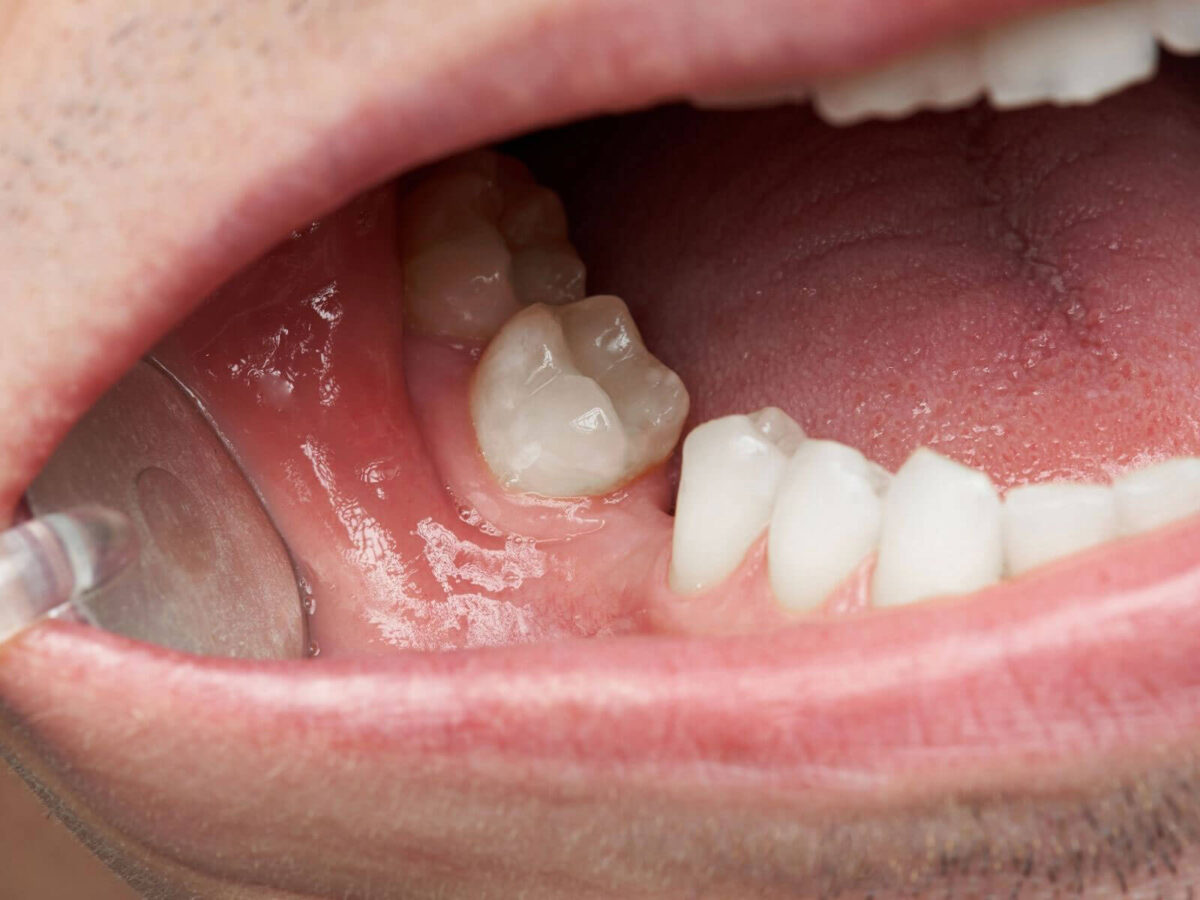
A tooth that starts to shift, even by a small amount, gives an early warning. Teeth usually stay firm. They sit in the bone with support that doesn’t move. When one begins to wiggle or push in a new direction with gentle pressure, it hints that the structures holding it have weakened.

This type of change becomes one of the clearer signs you need a tooth pulled, especially when infection or long-term inflammation has thinned the gum and bone. The tooth tries to stay in place but can’t hold steady. At first, the shift may feel tiny, something only the tongue picks up. Later, it may be more obvious when chewing. Once the base loses strength, the tooth rarely regains firmness without stronger treatment.

An Infection That Returns After Seeming to Settle

Sometimes a tooth feels normal for a while after treatment. The swelling fades. The tenderness softens. The mouth feels balanced again. Then weeks later, the same discomfort returns in the same place. A small pulse of warmth. A swelling that rises and falls. A soreness that returns in the same rhythm as before.

Recurring infections reveal another quiet sign among the signs a tooth needs to be pulled because the bacteria have found a space deep inside the tooth that treatment cannot fully reach. When an infection comes back, it may show that the inner tooth structure is damaged beyond repair. Medicine can calm the flare-up. It can’t fix the source. If the infection moves into the root or bone, taking the tooth out gently may be the best way to protect the surrounding tissue.

When a Broken Tooth Can’t Be Fixed

Teeth can crack slowly or break in a quick moment while chewing. Some cracks stay on the surface and can be treated. Others run deeper into the root or centre. When a break reaches the tooth’s inner support, the whole structure weakens. From the outside, it might seem repairable, but the inside may be split past the point of holding any restoration.

A sharp break or a tooth that moves in a new way is often one of the signs you need a tooth pulled because the remaining structure can’t stay together. It shifts under pressure or traps food in places that bother the gum. Deep cracks don’t close. They widen and let bacteria enter. Once the tooth is removed, the infection doesn’t keep moving, and the other parts of the mouth stay better protected.

Why Teeth Reach a Point Where Removal Is the Healthiest Choice

Teeth go through a great deal in a lifetime. They face temperature changes, pressure, grinding, and the small hits that collect over time. They protect themselves well, but once the inner layers or supporting bone weaken too much, they cannot find their way back. Understanding when does a tooth need to be pulled becomes clearer when looking at how these pieces fit together.

A tooth that cannot heal becomes a place where bacteria gather. A loose tooth places strain on surrounding teeth. A broken tooth exposes the deeper layers to infection. Removal does not mean giving up on the tooth. It means protecting the health around it so the mouth stays steady and balanced.

Noticing the Soft Signs Before They Grow

Most teeth don’t fail in a single moment. They leave small clues before things get serious. A tired feeling in the tooth. A swelling that rises, settles, then returns. A shift that feels new when you bite down. When these signs keep repeating, they start to make more sense.

Understanding these early hints of when does a tooth need to be pulled can prevent severe pain, deeper infection, or long-term damage from settling in. Paying attention to these quiet changes lets care begin sooner, when treatment feels calmer, and healing comes with far less strain.

Ready to Understand What Your Tooth Is Telling You

A quiet visit with a dental professional can help reveal whether a tooth can be saved or whether removal brings comfort and protection. The mouth gives small signs. Listening to them keeps the rest of the teeth steady for years ahead and gives clearer guidance when early changes feel easy to overlook in daily routines.
Categories
Dental care

Signs You Need a Root Canal

A sudden toothache can turn an easy day into a scramble. A trusted dentist in cypress TX sees many people who delay care and then face more complex work. Spotting early warning signs helps someone act faster. Acting faster often leads to less pain, simpler care, and improved results. This article explains the first warning signs, the steps in an exam, and how a cypress dental specialist chooses when endodontic treatment is needed.

Persistent Severe Pain

A deep, pulsing pain or pain that wakes someone at night is hard to ignore. When that pain has no clear cause, the inner nerve is often inflamed or starting to get infected. Over the day, the pain may flare with heat and cold or when biting. For many, the pain is not constant but intense when it appears. When severe pain continues for more than a day or two, contacting a dentist in cypress TX, promptly is the sensible move.

Sensitivity That Lingers

People notice sensitivity now, and then, yet quick reactions to cold or sweet foods feel unlike the kind that stays. When a chill or sugary bite leaves pain hanging for minutes, the nerve might be strained. A cypress dental specialist watches how the response settles with time or hints at something deeper. Lingering sensitivity can come before nerve trouble, and early care avoids heavier treatment.

Pain When Biting Or Chewing

A quick burst of pain while biting down can point to a crack or a deep cavity. The pressure can drive infected material toward the nerve and spark sharp pain. At times, the discomfort fades and returns, based on how pressure lands. A clinician checks the bite and searches for a leak or fracture. If inner tissue becomes exposed, endodontic treatment often protects the tooth in the best possible way.

Swelling Around The Tooth Or Face

If the gum near a tooth or the face swells, it is usually the body dealing with an infection. You might feel warmth. You might catch a bad taste in your mouth every so often. When swelling appears, the infection could be spreading and should be checked with early attention. A cypress dental specialist often gives a short round of antibiotics along with treatment to clear the infected tissue. Acting early lowers the chance that the infection will lead to wider health concerns.

A Darkening Or Discolouration Of A Tooth

A tooth that becomes noticeably darker than its neighbours may have an injured nerve. Discolouration can follow trauma or a deep cavity and may appear weeks or months later. The darkening itself is not always painful, but it indicates that the tooth’s internal tissue is no longer healthy. A dentist in cypress TX checks images and the history of the tooth to decide whether root treatment will preserve the structure and appearance.

A Slow-Draining Pimple On The Gum

Sometimes an infection drains through a small bump on the gum called a sinus tract. It may come and go and often relieves pressure temporarily. That drain is a sign of chronic infection under the tooth. The underlying issue will not heal by itself. A cypress dental specialist traces the tract to the source and typically recommends endodontic treatment to remove the infected tissue and allow proper healing.

When A Tooth Feels Loose Without Trauma

Loose teeth in adults often point to a deeper issue. If a tooth becomes mobile with no recent injury, infection or nerve problems might be breaking down the support around it. A clinician looks at whether the movement comes from gum disease, infection, or another concern. If the nerve is part of the problem, early root treatment and stabilising care may save the tooth.

How The Exam And Diagnosis Work

A full exam uses questions, testing, and images to understand the problem. The cypress dental specialist asks when the pain first showed up, what hurts the most, and what changes the feeling. Testing involves light tapping and cold checks to read the nerve’s reaction. Images highlight decay, root concerns, or small fractures. The clinician reviews the options in plain language and recommends the least invasive step that should succeed.

What Root Canal Treatment Does

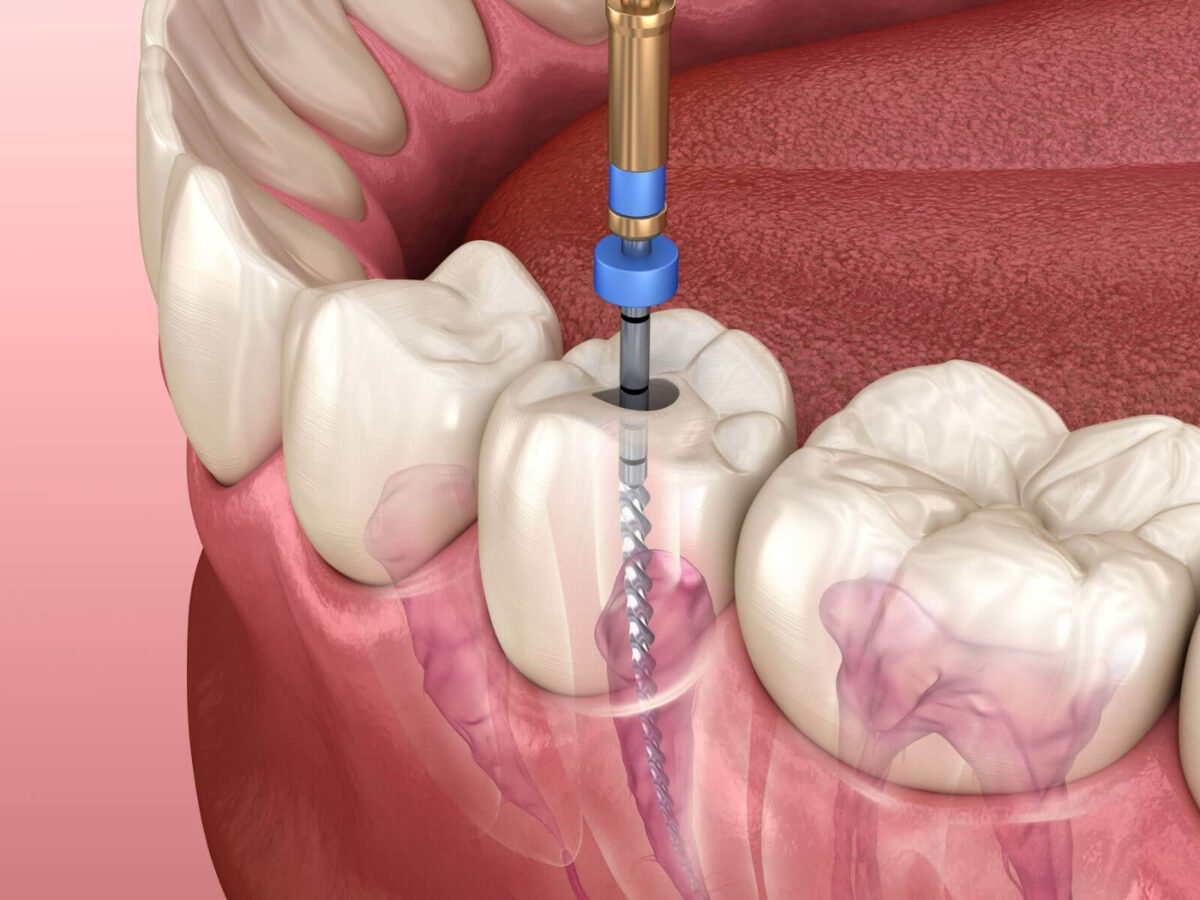
Root canal treatment takes out inflamed or infected tissue deep within the tooth. The canals are cleaned, shaped and sealed so reinfection does not take hold again. After the infection is managed, the tooth is rebuilt with a crown or filling to stop fractures. The purpose is to save the real tooth and restore natural chewing and appearance. Most people feel pain eases quickly and return to normal routines without much trouble.

When Extraction Might Be Necessary Instead

Not every damaged tooth ends up having a realistic fix. If a tooth cracks under the gum line or the bone support has faded badly, a cypress dental specialist might lean toward taking it out. The clinician explains options that include an implant or a bridge. The choice weighs long-term use, overall cost, and how nearby teeth and bone look.

Pain Management Before And After Care

Managing pain should come first, and using common pain medicine often eases things while you wait. Clinicians avoid placing pills directly on gums or teeth because that can irritate tissue. After treatment, mild to moderate discomfort is common for a short time. A dentist in cypress TX provides clear instructions on what to use and when to call for unusual pain.

How To Reduce Risk Between Visits

If someone starts feeling something is off, a couple of simple things can help for the moment. Try not to chew on that side because the pressure just makes everything feel worse. A warm saltwater rinse usually calms the area a bit and keeps it cleaner. Keep brushing, just softer than usual, near the sore tooth. The biggest step is calling a trusted cypress dental specialist before the problem grows.

Choosing Someone You Can Really Trust

Find a clinician who explains what they see in plain words, shows images openly, and outlines steps in simple terms. A cypress dental specialist who listens to symptoms and gives a clear timeline helps ease stress. Ask about root treatment experience and future care so the plan remains comfortable and steady.

There are a few signs that often lead to root canal treatment. Constant heavy pain, sensitivity that hangs on, pain during biting, swelling, discolouration, a draining gum spot, or new looseness should be checked quickly. Early guidance from a reliable dentist in cypress TX or cypress dental specialist keeps treatment options open and helps save the tooth. Small steps while waiting for care reduce pain and protect the mouth.

If any of these signs pop up, call a trusted dentist in cypress TX without waiting. The team usually checks how urgent things feel, gives small tips for the pain, and sets a time to see if endodontic treatment is needed. Early attention keeps tooth pain management far easier overall.

Categories
Dental care

Understanding The Importance of Dental X-Rays

People think a dental visit simply means a mirror check and a brief cleaning. What they miss is how much imaging guides the rest of the visit. A trusted Cypress Dentist TX uses dental X-rays to view areas hidden from sight, catching early decay, quiet infections, bone shifts, and teeth waiting to erupt. The X-ray works like a roadmap. With that roadmap, the clinician can plan ahead and prevent the kind of rushed treatment that happens when problems stay hidden.

What Dental X-Rays Are And How They Help

A dental X-ray image is a careful snapshot of the teeth. It shows the bone around the teeth and nearby parts, giving a simple picture of their shape. That difference matters. Cavities between teeth, small infections at the root, and early bone loss often stay hidden during a visual exam. An image brings those problems into view. For a Cypress Dentist TX, X-rays extend the clinical eye. They make the diagnosis clearer and more efficient. They also help plan that fits the mouth instead of guessing.

Types Of Dental X-Rays

Clinics use different kinds of images because each one shows a different part of the mouth. Bitewing views pick up decay between the back teeth, periapical views show the whole tooth and the root tip, and panoramic views give a wide look at both jaws. Cone beam scans add three-dimensional detail when a plan is more complicated. A Cypress Dental Office TX selects only the view that answers the question at hand, so the patient is not exposed to images they do not need.

Why X-Rays Matter For Early Oral Diagnosis

Without imaging, many problems stay quiet until they start hurting. A tiny cavity between two teeth can sit there for months without a hint. When pain finally shows up, the decay is often deep and needs a bigger fix. Dental X-rays catch these issues early, which means the repair stays small and simple. Finding a root infection before it spreads also helps avoid emergency visits. In the end, early pictures turn surprises into planned care.

Safety And Radiation Concerns Explained

People worry about radiation. The concern is understandable. Modern dental imaging uses very low doses. A single bitewing is a fraction of the radiation from everyday background sources. Clinics use lead aprons and thyroid collars when appropriate. Digital sensors also reduce exposure compared with older film techniques. A Cypress Dentist TX balances risk and benefit. The small exposure is justified when the image prevents a larger medical or dental problem. Clear, plain numbers and comparisons help most patients feel comfortable.

How Clinics Minimise Exposure

Good clinics follow the ALARA idea, which means keeping radiation as low as they reasonably can. They choose only the images needed for the question being asked. Bitewings help check for cavities, while panoramic views are saved for bigger planning.

Digital sensors cut the dose even more, and careful positioning keeps it short. A Cypress Dental Office TX explains why a certain image is needed and how it guides care. The aim is straightforward: use only what is necessary to make a clear diagnosis.

When A Dentist Orders X-Rays

Images are ordered for clear, practical reasons. New patients need a baseline, so hidden decay and past repairs are easy to see. Routine exams rely on bitewings for early cavities. Pain or swelling calls for a focused view to find the exact spot. Cone beam scans help with implant planning, and kids need images to follow development. A Cypress Dentist TX uses them only when they genuinely improve care.

Getting Ready For Dental X-Rays

Patients take off jewellery and glasses first so the picture stays clear. The team explains the plan and lets the patient know if it will be a wide scan or a bitewing. Larger machines just need the patient to stay still. Smaller views use a sensor held for a short moment. It is usually fast and painless. A Cypress Dentist TX is there to reassure and guide the patient through each step.

How Images Guide Common Treatments

X-rays guide a wide range of routine care. With decay between teeth, the image shows how close the problem sits to the nerve, which decides the type of repair. With gum concerns, the bone level in the picture directs the cleaning schedule and whether deeper steps are needed.

Implant planning depends on seeing the exact shape of the bone. For children, images show how the teeth are developing. Taken together, each picture supports clearer oral diagnosis and steadier treatment choices.

Digital Imaging And Modern Tools

Digital images show up instantly and can be adjusted for clarity, which helps the dentist spot tiny problems and compare with older shots. Cone beam gives three-dimensional detail, so implant placement is safer and surprises are avoided. Those tools tighten up the plan and usually shorten treatment. A Cypress Dental Office TX with modern imaging lets patients look at the same images and understand what will happen next.

Myths About Dental X-Rays

Certain myths show up often. One is that dental X-rays are dangerous, but when modern systems use very low exposure, that is considered safe. Another is that they only spot cavities when they also show bone loss, infections, and teeth stuck below the surface. Some people think a clean mouth removes the need for imaging, but hidden issues can still appear. Talking things through with the clinician makes everything clearer.

Frequency Guidelines

Image timing shifts with a person’s risk level. Adults who have steady checkups and no active decay usually need bitewings yearly or every other year. Kids with developing teeth or past cavities get images more frequently. Anyone with gum disease or symptoms needs a focused image sooner. A Cypress Dentist TX talks through the plan so patients know why each image is taken and when it is okay to wait.

Choosing A Cypress Dental Office TX For Imaging

Not all clinics use the same machines or follow the same safety rules. Choosing a clinic that tells why images are taken and how they protect patients makes a difference. Look for clear communication up front, comfortable facilities, and modern digital equipment. A trusted Cypress Dentist TX will keep records so images from earlier visits can be compared. This makes the treatment more accurate over the years.

Conclusion

Dental X-rays help spot problems that stay out of sight until they grow. They take the guesswork out of treatment and often prevent bigger, more expensive fixes later. A Cypress Dentist TX orders images with a purpose, choosing the view that gives the information needed for good preventive care. The exposure is tiny compared to the value of an accurate read on the mouth.

For a clear review of imaging needs, schedule a visit with a trusted Cypress Dental Office TX. Ask how dental x-rays fit into a tailored plan, discuss safety concerns, and see prior images if available. A short conversation now makes future care simple.

Categories
Dental care

5 Common Toothache Causes And When To Visit A Dentist

Tooth pain is a loud messenger. It usually signals something that needs attention, not something to ignore. A local Cypress Dentist TX sees the pattern often: people wait, and the problem grows into a longer fix. This article explains five common causes of toothache, how each one usually feels, what safe steps a person can try at home, and when it is time to call for emergency dental care or visit a nearby Cypress Dental Office TX. The voice is calm, third person, and aimed to help someone act quickly and wisely.

How Pain Patterns Point To Different Problems

Pain gives important clues. A sudden sharp zap from cold often means thin enamel or an exposed root. A steady, deep ache that won’t stop suggests an infection. Pain only with biting frequently means a crack. Noting when and how pain shows up helps a clinician decide how fast a person needs to be seen. Those small observations make the first call to the clinic more useful.

Cavity Progression And When A Filling Is Enough

A cavity usually starts as a small soft patch that goes unnoticed. When decay nears the nerve, that quiet spot causes sharper reactions to cold, heat, or sweetness. The moment quick jolts become steady soreness, an exam is due. A filling often provides fast dental pain relief and prevents larger issues. Ignoring the problem can lead to emergency dental care or major repair. A visit to a dependable Cypress Dentist TX at a Cypress Dental Office TX keeps treatment straightforward.

Deep Infection And Abscess That Need Urgent Care

When a deep infection starts up, the pain can slip from a small annoyance into something steady that wears you down, and swelling often shows up afterwards. Some people catch a strange taste that just hangs around or feel a little warm. These small changes often point toward an abscess. Because an abscess can move beyond the tooth, getting help early matters.

Most visits begin with easing the pressure and offering enough

dental pain relief to help the person calm down while the infection is treated. The clinician may drain the swollen area and start medicine, then decide on a root treatment or removal. When swelling makes breathing or swallowing difficult, seek emergency dental care immediately because early action helps.

Cracked Or Fractured Teeth And Pain With Biting

Cracks sometimes hide from images and reveal themselves only when pressure changes. The pain is often sudden and sharp while biting or when releasing a bite. Tiny cracks can be fixed with bonding or a crown to save the tooth. Larger ones sometimes need removal. Until care is available, avoiding hard foods and chewing on the opposite side reduces the risk of further damage. A quick call to the Cypress Dental Office TX helps reserve a spot and keeps the situation from getting worse.

Gum Problems And Pain That Comes From Nearby Areas

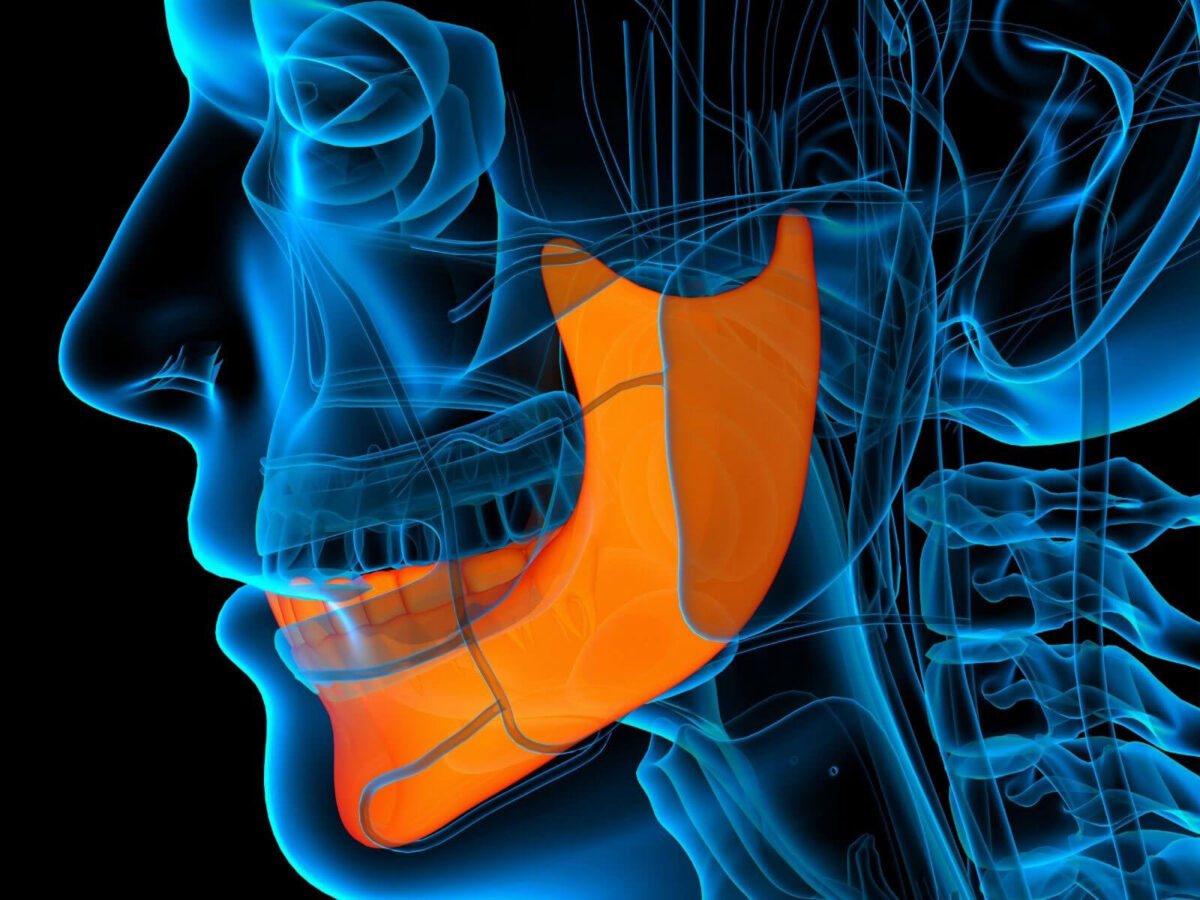
Not every toothache starts inside a tooth. Inflamed gums, a failing filling or sinus pressure can mimic tooth pain. A jaw joint problem may refer pain to the teeth. A clinician carefully checks gums and surrounding areas to separate dental causes from medical ones.

When gum disease is the source, cleaning and targeted care calm the tissue. When the origin is medical, the dentist helps coordinate the right referral. That coordination saves time and prevents unnecessary dental procedures.

Worn Enamel and Root Sensitivity

Enamel slowly wears down from acids, rough brushing, and steady grinding, and once the root becomes exposed, the reaction to cold or sweets can be sharp. Care that helps protect this area includes desensitising toothpaste, simple surface applications, or small restorations when needed. A night guard is useful when grinding is the cause. If new sensitivity grows stronger over several weeks, a visit to a trusted Cypress Dental Office TX can provide early answers and needed dental pain relief.

Safe Home Steps To Ease Pain Before The Visit

While you wait to be seen, a few easy habits make things feel less tense. Warm salt water rinsing clears the area and settles the tissue. Ibuprofen helps plenty of people unless their health history says otherwise. Do not rest the pill on the gum. Keep your food on the softer side for now, skip the hot stuff, and chew where it feels easier. If a permanent tooth pops out, drop it in some milk to keep it wet and call the clinic right away. None of this replaces care, but it keeps the mouth safe until someone at a Cypress Dental Office TX steps in.

Clear Signs To Seek Quick Dental Care

Swelling that makes swallowing difficult should be treated as an urgent problem. A high fever along with facial swelling also calls for same-day care. A tooth that has been knocked out must be seen quickly if it is going to be saved. Bleeding that will not settle or pain that blocks sleep or meals are reasons to get emergency dental care. If you are unsure, phone the Cypress Dental Office TX and let the team sort the next steps.

What To Expect At The Clinic

The appointment opens with a brief history and a slow, attentive exam. If needed, imaging helps the clinician spot decay or fractures that are not visible. What happens next depends on the cause. A filling can stop decay right away. Infections are drained, treated, and scheduled for further care.

Cracked teeth are reviewed to decide on coverage or removal. Gums are cleaned and set on a treatment path. The clinician talks through the steps and the expected timeline so the patient knows how to stay comfortable afterwards.

Choosing A Local Clinic For Fast, Reliable Care

When pain shows up suddenly, having a nearby Cypress Dental Office TX that can fit you in quickly and talk you through what to do makes the moment feel far less heavy. It helps to pick a place that is clear about costs and explains the next steps without rushing. Good communication during a stressful moment turns worry into a plan you can follow and starts recovery sooner.

The Takeaway

A toothache usually comes from the same few things everyone deals with now and then, maybe a cavity starting up, maybe a little infection, or a crack you did not even notice when it happened. Sometimes it is the gums acting up, sometimes the root. The way the pain shifts through the day tells the clinician a lot.

But if swelling suddenly ramps up, or a tooth gets knocked out, or breathing or swallowing feels off, that is a straight call for emergency dental care. Getting a Cypress Dentist TX on the phone early keeps things from sliding into something bigger.

If severe or persistent tooth pain appears, call a trusted Cypress Dental Office TX. Early evaluation eases discomfort and may save the tooth. The team will check the situation, guide safe steps and start treatment.