
West Green Family Dental

Categories
Dental care

Does Dental Cleaning Damage Tooth Enamel?

What People Usually Think About Dental Cleaning

Dental cleaning sounds simple at first. You just sit down, and the hygienist starts working on the buildup. Nothing too complicated there. By the end, your teeth feel smoother, cleaner, almost polished, or at least that is what most people expect going in.

Even then, this question shows up a lot. Does dental cleaning damage enamel? And it makes sense. On the outside of the tooth, enamel is the layer that handles most of the daily stress. It is what takes most of the daily wear and protects what is underneath. Once it wears away, it does not really grow back. That alone is enough to make people a bit careful.

Some of the concern comes from how it feels. There is scraping, a bit of pressure, and sometimes slight sensitivity after. It can feel rough in the moment. But the way it feels can be a bit misleading. It might seem rough while it is happening, though the process itself is controlled and meant to keep your teeth safe.

As per the American Dental Association, professional dental cleanings are designed to clear away plaque and tartar without harming the tooth structure when done correctly.

What It’s Like During a Dental Cleaning

A dental cleaning is not just one quick step. It usually begins with a short check, just to see how things look, like plaque, tartar, and the gums. That part is fairly quick.

Then comes the cleaning. The hygienist works through the buildup, especially tartar, which does not really come off with brushing. That is where most of the effort goes.

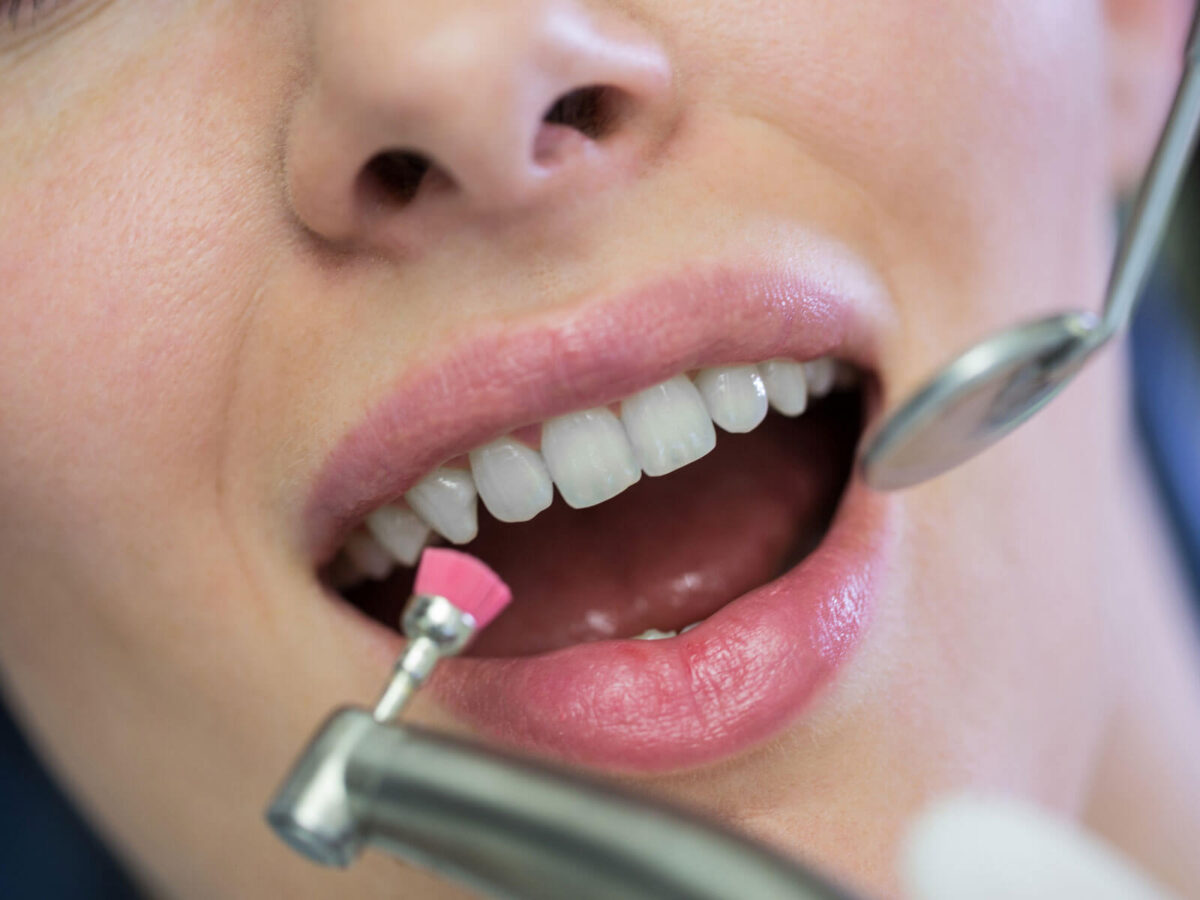
After that, your teeth are polished. It smooths the surface and clears away lighter stains. At the end, there is flossing, and sometimes fluoride is applied too.

Even if it feels routine, it is not just random steps. Each part is there to deal with buildup, not to harm the enamel.

What Causes That Sensitivity After a Dental Cleaning

After a cleaning, there can be some sensitivity. Not for everyone, but it happens. When it does, it makes you wonder what changed. Sometimes it even makes it seem like the enamel might have been affected.

But that is usually not what is going on. A lot of the time, tartar has been sitting on the teeth for a while, covering certain areas. You do not really notice it while it is there. Then once it is removed, those same spots are suddenly exposed.

That is when sensitivity shows up. Particularly with cold or hot foods. It can feel sharper than usual for a bit, nothing too long though. Still, the tooth itself is not damaged. It is just reacting to that change.

That is why people start wondering things like does teeth cleaning damage enamel. It feels different. That can make it seem a bit off at first. It usually settles after a bit. On its own, most of the time. Nothing much needs to be done.

What Enamel Actually Is And Why It Matters

Enamel is quite strong, actually, the hardest in the human body. It is the outer layer of the tooth and protects what is inside. That part is important. But even something that strong can wear down over time. Acidic foods, grinding, or even small daily habits can slowly affect it. It is not always obvious, but it happens gradually.

It can feel a bit rough in certain parts of the cleaning. That part tends to stand out. The tools, though, are meant for plaque and tartar, not enamel. That is usually where questions like “Does dental cleaning damage enamel?” come from.

Why Getting Rid of Tartar Helps

Tartar buildup is not something you can remove at home. Once plaque hardens, brushing and flossing do not really help much with it anymore. When it stays on the teeth, it holds onto bacteria. That can slowly start irritating the gums over time.

Removing tartar helps keep both teeth and gums in better shape. It also helps lower the chances of decay over time. That is often when people start asking things like does professional teeth cleaning damage enamel?” The process can feel a bit rough, so it is easy to think that way. But without proper cleaning, the risk to enamel is actually higher.

How Professional Cleaning Is Different From Daily Brushing

Brushing is a daily habit. It helps remove soft plaque before it turns into something harder. Professional cleaning is not quite the same. It goes further, especially when there is buildup that brushing cannot handle anymore. The tools used are more precise, and they are handled carefully. It might feel a bit rough, but it is still controlled.

At the same time, brushing too hard at home can slowly affect enamel. It is something people do not always notice. That is often why “does teeth cleaning damage enamel” gets misunderstood.

When Cleaning Might Feel Slightly Uncomfortable

Not every cleaning feels the same. Some are quick and go by without much notice. Others can feel a bit uncomfortable, depending on the situation. A lot of it comes down to the amount of tartar present there. When there is more buildup, it usually takes a bit more effort to remove.

Gums can make a difference, too. If the gums are sore already, the cleaning can feel more sensitive. That can feel a bit concerning at first. But it does not mean anything is being damaged. It is usually more about how things were before the cleaning. Once the buildup is gone, many people notice their mouth feels better than before.

What Regular Cleanings Do Over Time

Skipping cleanings can seem fine at first. Nothing really feels off. But plaque still builds up over time. That plaque produces acids. Over time, those can start affecting the enamel. It is gradual, not something you notice right away.

Regular cleanings take care of that buildup early. So they are really helping protect enamel, not damage it. That is where questions like “Does dental cleaning damage enamel?” tend to come in. It makes more sense when you look at the long term.

What Research And Dental Experts Say

Dental organizations generally support professional cleanings as part of routine care. It is something that keeps coming up in recommendations. They also point out that cleanings are safe when done by trained professionals. The tools and techniques are designed to work on the buildup, not the tooth itself.

Research has shown similar things. Regular cleanings help reduce the chances of tooth decay as time goes on. This is also where people start wondering things like does professional teeth cleaning damage enamel. But the evidence does not really support that concern.

FAQs

Can a cleaning at the dentist harm your teeth?

No, it doesn’t harm your teeth. You may be a bit of discomfort. But that’s pretty normal during a cleaning.

Why do teeth sometimes feel sensitive afterwards?

That usually comes from the buildup being removed. Areas that were covered feel different for a bit.

Do you really need professional cleanings if you brush daily?

Yes, because brushing cannot remove hardened tartar.

What if you just skip cleanings altogether?

Over time, buildup can increase and start affecting both gums and teeth.

Conclusion

Dental cleaning may feel intense at times. The tools, the sounds, the sensation. All of it can create the impression that something harsh is happening. The focus is on keeping things healthy. Removing buildup helps both teeth and gums over time. Understanding “does dental cleaning damage enamel” helps clear up a common misunderstanding.

If something about cleanings or sensitivity is on your mind, just ask your dentist next time you go. Even something like “does teeth cleaning damage enamel” comes up pretty often.
Categories
Dental care

Root Canal vs Extraction: Pros, Cons, and Cost Comparison

Why Patients Often Compare Root Canal And Extraction

A sharp toothache tends to get attention fast. People usually book a dental visit once the pain starts digging deep into a tooth. That kind of discomfort can point to infection or serious decay. After the dentist checks the area, the talk often shifts to two possible ways to deal with it.

One option aims to save the tooth. The other removes it completely. This is where the discussion of root canal vs extraction begins.
Patients naturally want clear answers. Which option lasts longer? Which one costs more? And which treatment helps avoid future problems? Dentists usually consider a few things before deciding.

The condition of the tooth matters. The surrounding bone is another factor dentists consider. A person’s overall oral health matters as well. Before recommending a root canal or extraction, dentists usually take time to evaluate these details carefully.

What A Root Canal Treatment Does

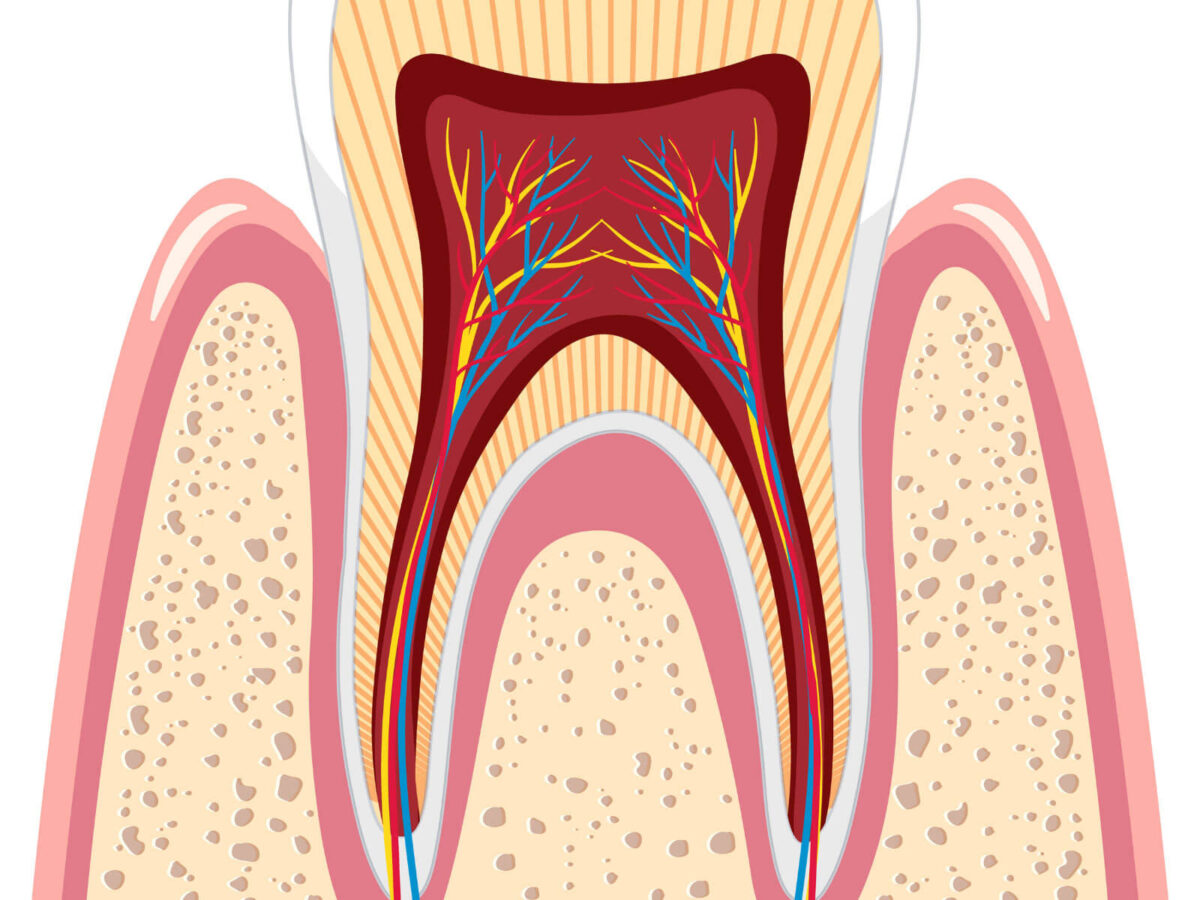
A root canal is usually done to save the natural tooth whenever it can still be restored. Trouble often starts when bacteria reach the pulp at the centre of the tooth. This soft inner tissue contains the nerve. Infection in that space can gradually affect surrounding structures.

The dentist treats the issue by removing the infected pulp from the tooth. The narrow canals are cleaned carefully. The canals are then shaped and sealed. It helps block bacteria from getting back inside.
With the infection gone, the tooth is commonly strengthened by placing a crown on top. This covering strengthens what remains of the tooth and allows normal biting and chewing.

In the discussion of tooth root canal vs extraction, preservation becomes a key benefit. Keeping the original tooth helps maintain spacing between teeth and supports healthy jaw movement.
The American Association of Endodontists reports a very high number of procedures each year. More than fifteen million root canal treatments are performed annually in the United States.

What To Expect During A Tooth Extraction

There are situations where repairing the tooth is no longer realistic. In those cases, the dentist may suggest taking the tooth out of the jaw. That process is known as extraction. Sometimes the decay is too extensive. In other cases, infection has already weakened the tooth beyond repair.

The procedure itself can vary. Some extractions are simple. The tooth is slowly loosened by the dentist before being removed from the socket. Other cases take more effort. A surgical extraction may be necessary when the tooth is broken or positioned below the gum line.

After the tooth is removed, the body begins working on the area almost immediately. A clot forms in the empty socket first. It protects the bone and helps the early healing process begin. Over the next several days, the gum tissue slowly moves across the opening.
But extraction can lead to another decision. A missing tooth usually leads to another discussion. Patients often explore replacement choices like implants, bridges, or dentures.

Pros Of Root Canal Treatment

One major benefit of root canal therapy is preservation. The natural tooth stays in place. That alone helps maintain the normal structure of the mouth. Many people also find chewing easier when their own tooth remains. The root stays anchored in the jaw, continuing to support the bone in that area.

There is another reason dentists try to save the tooth. Gaps can cause problems. Teeth nearby may begin drifting toward that open space. Not immediately, but gradually. Keeping the tooth helps prevent those changes and keeps the bite steady.

A treated tooth can also last a long time. The key is care. Daily cleaning plays an important role. Dental checkups also play an important role. When these habits are maintained, treated teeth can continue working well for many years.

Cons Of Root Canal Treatment

Not every case can be finished in one sitting. Some teeth need another visit. The severity of the infection inside the tooth usually determines this. In some cases, the dentist treats the infection first. The final restoration is placed during a later visit.

The treated tooth may also become a bit weaker afterwards. Removing the inner pulp changes the structure slightly. For this reason, dentists often recommend placing a crown once the treatment is complete. The crown protects the tooth. It also helps restore normal chewing.

Another factor that sometimes enters the discussion is cost. While saving the tooth has clear advantages, the overall price may increase once crowns and additional appointments are included.

Pros Of Tooth Extraction

Extraction may be the most practical choice when the tooth is severely damaged. Removing the tooth eliminates infection quickly. The procedure is often faster than root canal treatment. For some patients, the immediate cost is also lower.

Sometimes the tooth simply cannot support a restoration. The structure may be too weak or too damaged. In those cases, extraction may be recommended to prevent repeated infections.

Cons Of Tooth Extraction

Extraction can solve the immediate dental problem. The infection may be gone. The pain may fade as well. Removing the tooth solves the problem, but it leaves a gap.

Over time, that space can affect nearby teeth. Slowly, sometimes without being noticed at first, nearby teeth may begin shifting toward the gap. Even small movements can change bite alignment.
Bone changes may happen too. Tooth roots help keep the jawbone active. Without that root in place, the bone in that area may gradually shrink.

Because of these changes, dentists often bring up tooth replacement. Patients may hear about options like dental implants or bridges during that discussion.

Cost Comparison Between Root Canal And Extraction

Cost often enters the conversation when people compare root canal vs extraction. A root canal may seem more expensive at first. A simple extraction usually costs less upfront.

But the process does not always stop there. Once a tooth is removed, the empty space can lead to other choices later. Some patients consider implants. Others look at bridges or dentures. Those treatments can sometimes cost more than the original extraction.

Because of this, saving the natural tooth can sometimes be the more practical choice over time. It often helps maintain normal function as well. The American Dental Association highlights the same idea. When possible, keeping natural teeth helps support oral health over time.

How Dentists Decide Which Option Is Better

Before recommending treatment, dentists look at several details. The amount of remaining tooth structure often matters the most. A root canal may be recommended when most of the tooth remains healthy. Serious fractures or extensive infection may make extraction necessary.

FAQs

Is the decision always easy?

Not necessarily. Dentists consider several details first. The condition of the tooth matters. So does the health of the surrounding bone.

Which option lasts longer?

A treated tooth can last quite a while. Good care makes that possible. Removing the tooth fixes the immediate issue, but it may lead to thinking about replacement later.

Which option costs less?

Tooth removal usually costs less at the start. Replacement treatments later can increase the total cost.

Which option is healthier for the mouth?

If possible, dentists aim to keep the original tooth. Keeping it helps maintain normal function and alignment.

Conclusion

Sometimes the decision is not simple. Saving the tooth is one option. Removing it is another. Both treatments can deal with infection or severe decay. Either approach may solve the immediate problem.

But understanding root canal vs extraction helps patients see the situation more clearly. If the tooth can be restored, saving it usually offers advantages. It allows normal chewing to continue and helps maintain proper balance between the teeth.

Serious tooth pain is a warning sign. Infection may be present. At that point, a dental visit is a good idea. They may check the bone and surrounding gums as well. After that, they can explain the treatment options and help determine which one would protect your oral health.

Categories
Dental care

Does Everyone Develop Wisdom Teeth?

Why People Ask If Everyone Has Wisdom Teeth

At some point, many people hear about wisdom teeth. It often becomes a topic in the late teens. A dentist might bring it up. Or perhaps someone at home is planning an extraction. That is usually enough to spark a few questions.

This question comes up quite a bit: Does everyone have wisdom teeth? The answer can vary. They are known as the third molars, though their growth pattern is not the same for everyone. Some people have all four, others have fewer. Some never develop them at all.

Understanding “does everyone get wisdom teeth” requires looking at how teeth develop and how human jaws have changed over time.

What Wisdom Teeth Actually Are

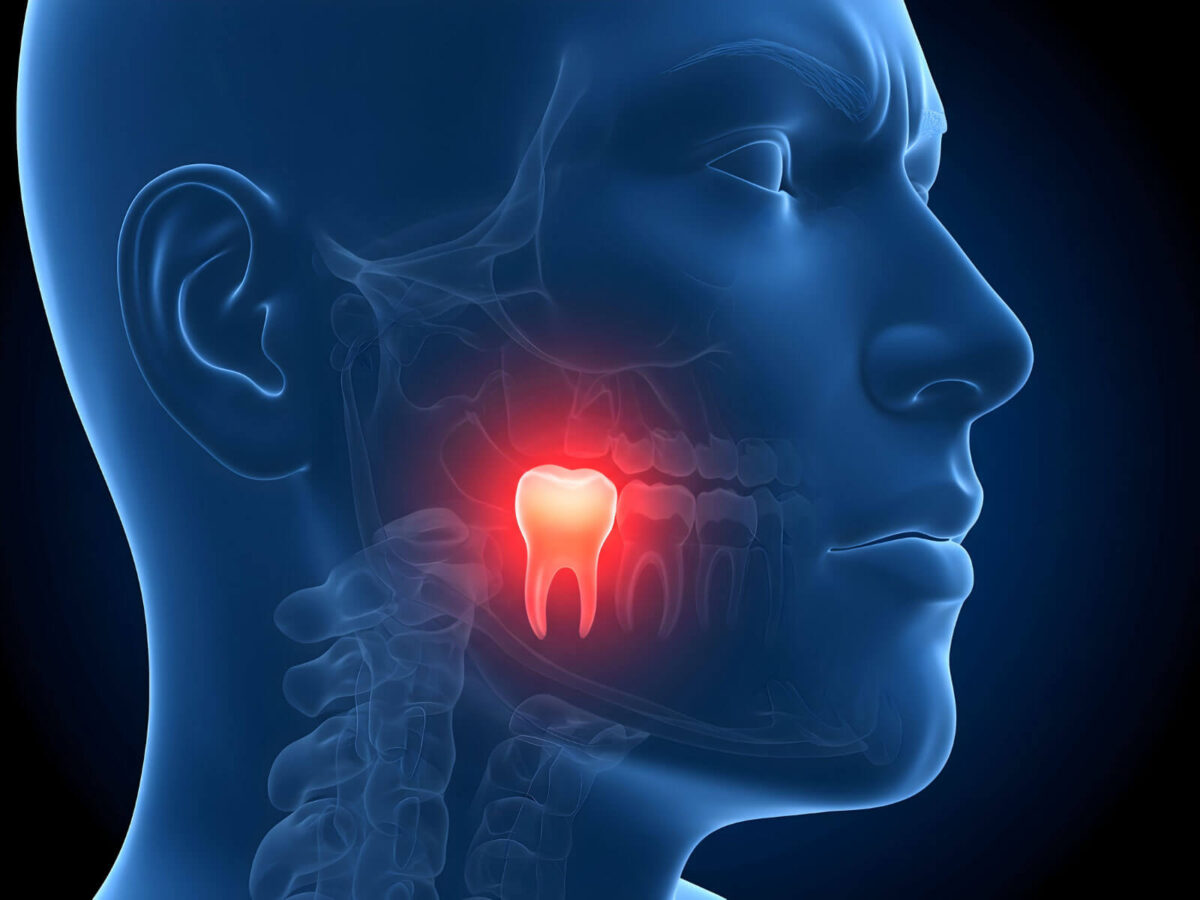
At the back of the mouth sits the final group of molars, commonly known as wisdom teeth. Most adults have four potential wisdom teeth. Two appear in the upper jaw and two in the lower jaw.

“Wisdom teeth” get their name from the stage of life when they usually show up. Unlike other permanent teeth, these molars appear later. For many people, they begin coming in somewhere between 17 and 25. By that time, a person is older and supposedly wiser than when their earlier teeth developed.

The American Dental Association explains that wisdom teeth are simply another set of molars. Many modern human jaws are too small for them.

Does Everyone Grow Wisdom Teeth

The straightforward answer would be no. “Does everyone grow wisdom teeth?” is actually a question that surprises many people when they learn the answer. Some individuals never develop wisdom teeth at all.

Dental X-rays often reveal this difference. During a routine exam, dentists can see whether wisdom teeth are forming beneath the gums. If no tooth buds appear on the X-ray, that person may never develop wisdom teeth.

This situation is not considered unusual. Research suggests that a growing number of people are born without one or more wisdom teeth.

Why Wisdom Teeth Do Not Develop In Everyone

Many patients ask a similar question: “Why do some people not have wisdom teeth?” The explanation is often linked to human evolution. Early humans usually had larger jaws. Their meals were not soft like many foods today. Processed foods were absent from early human diets. Meals often included raw plants. People also ate uncooked meat. These foods were tough and required serious chewing. Extra molars helped break them down.

Over time, diets changed. Cooking softens food. The need for powerful chewing slowly decreased. As a result, jaw size gradually became smaller in many populations.

Because of this shift, wisdom teeth sometimes fail to develop. The body simply does not produce them in certain individuals.

How Family Traits Affect Wisdom Teeth

Genetics sometimes affects the presence of wisdom teeth. Dental traits often run in families. Children may follow the same pattern if their parents never developed wisdom teeth.

Scientists who examine dental development often observe family patterns. Some people inherit the tendency to develop fewer molars. Other people inherit fully developed third molars. These teeth may erupt normally.

This genetic variation helps explain “Does everyone get wisdom teeth?” The answer is different for each person.

What Happens When Wisdom Teeth Do Develop

For people who develop wisdom teeth, the outcome can vary quite a bit. Sometimes these molars come in normally. They come through the gums slowly. After some time, they settle next to the other molars at the back of the mouth. When this happens, they usually work just like any other tooth and may not cause any issues at all.

This situation does not occur in every person. Some jaws lack enough space for wisdom teeth. The tooth may then grow at an angle. Sometimes the tooth appears only partially. In other cases, it remains beneath the gum tissue. Dentists refer to this as an impacted tooth.

Sometimes an impacted wisdom tooth leads to discomfort in the back of the mouth. The pressure may affect surrounding teeth. It can also begin pressing against neighbouring teeth. Dentists usually keep track of these teeth as they develop.

Why Dentists Sometimes Recommend Wisdom Tooth Removal

Not all wisdom teeth require removal. Some people keep them without experiencing any problems. Not every wisdom tooth needs removal. Some people keep their wisdom teeth for years. They experience no problems.

Dentists sometimes recommend extraction. This happens when wisdom teeth become impacted. It can also happen during infections. Crowding in the mouth is another reason. A problematic tooth may be removed to help prevent later dental problems.

Oral surgeons usually perform this procedure. The American Association of Oral and Maxillofacial Surgeons reports this clearly. Wisdom tooth extraction is very common. It remains one of the most commonly performed oral surgeries.

How Dentists Check for Wisdom Teeth

Sometimes wisdom teeth are discovered during a regular dental visit. X-rays help dentists look below the gumline. The images offer a clearer view than a standard visual check.

An X-ray may show wisdom teeth that are beginning to develop. Sometimes it shows teeth that are partly formed. In other cases, the teeth are completely absent. Dentists may observe these changes for several years. They want to understand how the teeth continue to grow.

Routine dental checkups make this monitoring possible. They help dentists detect problems early.

Do We Still Need Wisdom Teeth?

In earlier stages of human evolution, wisdom teeth played a useful role. People relied on them for chewing. Extra molars helped break down coarse foods. These foods often required long periods of grinding.

Daily meals looked very different in those times. Raw plants were common. Nuts and roots also appeared often in the diet. Uncooked meat required heavy chewing as well. Extra molars helped handle this work.

Life today looks very different from the past. Many foods are softer now. Cooking changes how meals feel when people chew them. Processed foods also appear in many diets. Dental care has improved over time. People often keep their natural teeth for many more years.
Because of these changes, wisdom teeth are not as important for chewing today. The mouth can function well without them. Many people live comfortably without these molars.

FAQs

Does everyone have wisdom teeth?

No. Not everyone ends up with wisdom teeth. Many people do, but some never develop them.

Does everyone get wisdom teeth eventually?

Not always. Some people develop fewer than four wisdom teeth. Others never develop any at all.

Why don’t wisdom teeth develop in everyone?

Genetics plays a role in whether wisdom teeth develop. Changes in jaw size also influence this.

Does everyone grow wisdom teeth that need removal?

No. In some people, wisdom teeth grow normally. They stay healthy and do not need removal.

Conclusion

Many people notice wisdom teeth during the late teenage years. For others, they appear in early adulthood. This stage of life is when the final molars often begin to develop. The process does not look the same for everyone.

Some people develop all four wisdom teeth. Others develop fewer than four. A small number of people never develop them at all.
Understanding “does everyone have wisdom teeth” helps explain these differences. Dental experiences can vary widely from one person to another.

Sometimes people are unsure about their wisdom teeth. A dental visit can provide answers. Dentists often review X-rays during these exams. The images show whether wisdom teeth are forming or not. They also help explain the question, “Does everyone grow wisdom teeth?” in relation to your own teeth.

Early evaluation helps dentists identify potential concerns. It also supports healthy dental development.