
Blog
Dental hygiene tips for healthy teeth & gums
6 Signs You Need Emergency Wisdom Tooth Removal
Wisdom teeth can stay quiet for years. You know they exist, but they rarely cause trouble. Then out of nowhere, something feels different. There’s a faint pressure near the back of your jaw. It’s easy to dismiss at first. Maybe you think you bit down wrong. Maybe it’s just tension from a long week.
But the feeling sticks around.
That’s when the uncertainty begins. Is this normal irritation, or is it turning into something that might require emergency wisdom tooth removal? Most wisdom tooth pain doesn’t jump straight into emergency territory. Still, certain symptoms don’t resolve on their own. Ignoring them can give a small issue time to grow.
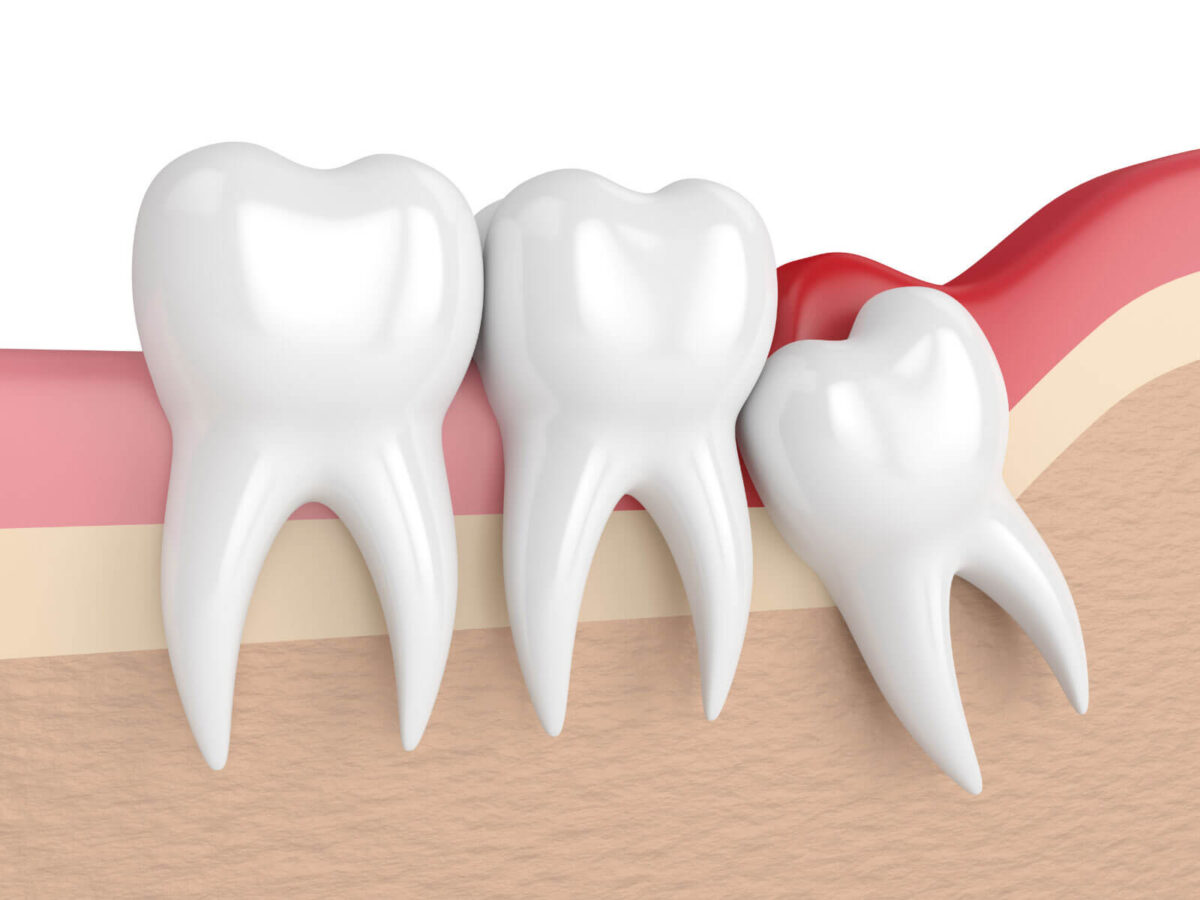
Wisdom teeth are just your last set of molars. The ones all the way in the back. A lot of people have trouble with them.
That sounds scary at first. But being impacted doesn’t automatically mean something terrible is happening. Some people barely notice anything at all. It depends on your mouth.
Some warning signs change the picture completely. Those are the signs you should not ignore.
When the Pain Doesn’t Ease Up
Some soreness while a tooth is pushing through is pretty common. You expect that. What’s harder to ignore is pain that turns sharp and sticks around.
Pain that spreads beyond the tooth and into your ear or jaw usually isn’t minor. Sometimes it throbs in waves. Sometimes it just presses and doesn’t let up.
Pain that grows stronger day after day instead of settling is often an early warning. In those cases, emergency wisdom teeth treatment might be necessary.
And when discomfort steals your sleep, it’s rarely minor.
Swelling That Changes the Shape of Your Face
Tender gums are one thing. Real swelling is different. You can see it. You can feel it. One side of your jaw might look slightly bigger. It may even feel warm when you press on it. That’s usually not a simple irritation. That can sometimes mean there’s a deeper issue beneath the gum.
When a wisdom tooth only comes in halfway, bacteria love that space. Food gets stuck. The gum traps it. Pericoronitis can develop, and once it does, it doesn’t always stay mild.
If the swelling starts changing how your face looks or pushes into your cheek, that’s when emergency removal of a wisdom tooth can become necessary.
And once infection settles in, swelling rarely just fades on its own.
Difficulty Opening Your Mouth
Jaw tightness can go unnoticed. You may find opening wide feels difficult. Eating feels awkward. Brushing the back teeth becomes uncomfortable.
This limitation, known as trismus, often accompanies deeper infection or inflammation. It isn’t simply gum soreness.
When jaw restriction appears alongside pain and swelling, it strengthens the likelihood of a dental emergency wisdom tooth situation.
Your body doesn’t restrict movement randomly. It does so to protect the inflamed tissue.
Persistent Bad Taste or Visible Drainage
A persistent bad taste is easy to dismiss at first. You might think it’s something you ate. But when it sticks around, especially with slight drainage near the wisdom tooth, it’s usually not random.
Drainage often means bacteria are sitting below the gum line. Mouthwash can disguise the taste for a while. It can’t help with what’s underneath.
When the problem keeps returning, it’s rarely random. Sometimes, emergency wisdom tooth removal is what finally stops the cycle.
Fever and General Illness
A wisdom tooth problem should stay in your mouth. If it starts affecting your overall health, that’s when urgency increases.
A fever or tender glands under your jaw usually mean it’s not just local discomfort. It can mean the infection is moving beyond the area. The World Health Organization has explained that serious dental infections can affect overall health when they’re left untreated. [Source]
When pain in the back of the jaw is accompanied by systemic symptoms, this often moves from inconvenience to legitimate emergency wisdom teeth care.
Your body is signalling that it needs help containing the infection.
Pressure Damaging Nearby Teeth
Wisdom teeth rarely erupt perfectly straight. Many grow at angles, pressing against adjacent molars. As time passes, the pressure may harm adjacent teeth or form pockets that trap bacteria.
According to AAOMS data, impacted wisdom teeth increase the risk of decay in second molars due to difficult cleaning access. [Source]
You may not see the damage yourself. At times, the only clue is extra sensitivity in the tooth beside the wisdom tooth.
If the teeth around it are threatened, your dentist may consider emergency removal of the wisdom tooth. This helps to reduce the risk of bigger treatments later.
Why Early Action Matters
A lot of people pause when they hear the word “emergency.” It sounds intense. That alone can make someone wait longer than they should. But early care is often what prevents bigger procedures later.
Taking care of it sooner reduces the chance of infection spreading beyond the area. It also protects nearby teeth and the surrounding bone from unnecessary damage.
Most of the time, emergency wisdom tooth removal isn’t dramatic. It’s really about timing things before they get worse.
What the Procedure Actually Feels Like
When someone mentions an urgent extraction, it can hit hard. The term alone is enough to create tension. But the actual procedure is usually no more dramatic than a scheduled removal.
After imaging confirms what’s going on, the dentist or oral surgeon takes out the tooth to remove the source of the trouble. Local anaesthesia or sedation keeps things manageable during the process.
Interestingly, many people say the worst part was the pain before the appointment. Once the inflamed area is treated, there’s relief. The post-procedure soreness feels different. It is more controlled and less sharp.
FAQs
How do you know when it’s truly urgent?
When pain builds day after day, or swelling and fever enter the picture, it’s probably more than a minor issue. That’s when it may become a dental emergency wisdom tooth concern.
Can infections from emergency wisdom teeth spread further?
They can if ignored. Sometimes they move into nearby tissues. In uncommon cases, they spread beyond the mouth.
Is the emergency removal of a wisdom tooth more difficult than a planned extraction?
It’s usually treated much like a planned extraction. Getting it done sooner often makes recovery easier.
Should I wait and hope it improves?
Mild soreness may pass. Worsening symptoms usually won’t.
Conclusion
Not every wisdom tooth turns into a problem. But when one does, it rarely improves by ignoring it. Knowing the signs that point toward emergency wisdom tooth removal helps you step in before things get harder to manage. Intense pain. Swelling that changes your face. Difficulty opening your mouth. Fever. Drainage. Those aren’t symptoms to brush aside.
If you think you’re dealing with a dental emergency wisdom tooth issue, don’t wait it out. Call your dentist. Schedule an urgent evaluation. Getting answers quickly protects your comfort and prevents bigger complications. Sometimes the smartest move isn’t hoping it settles down. It’s picking up the phone and taking action.

