
Blog
Dental hygiene tips for healthy teeth & gums
Why Are They Called Wisdom Teeth? The Surprising History
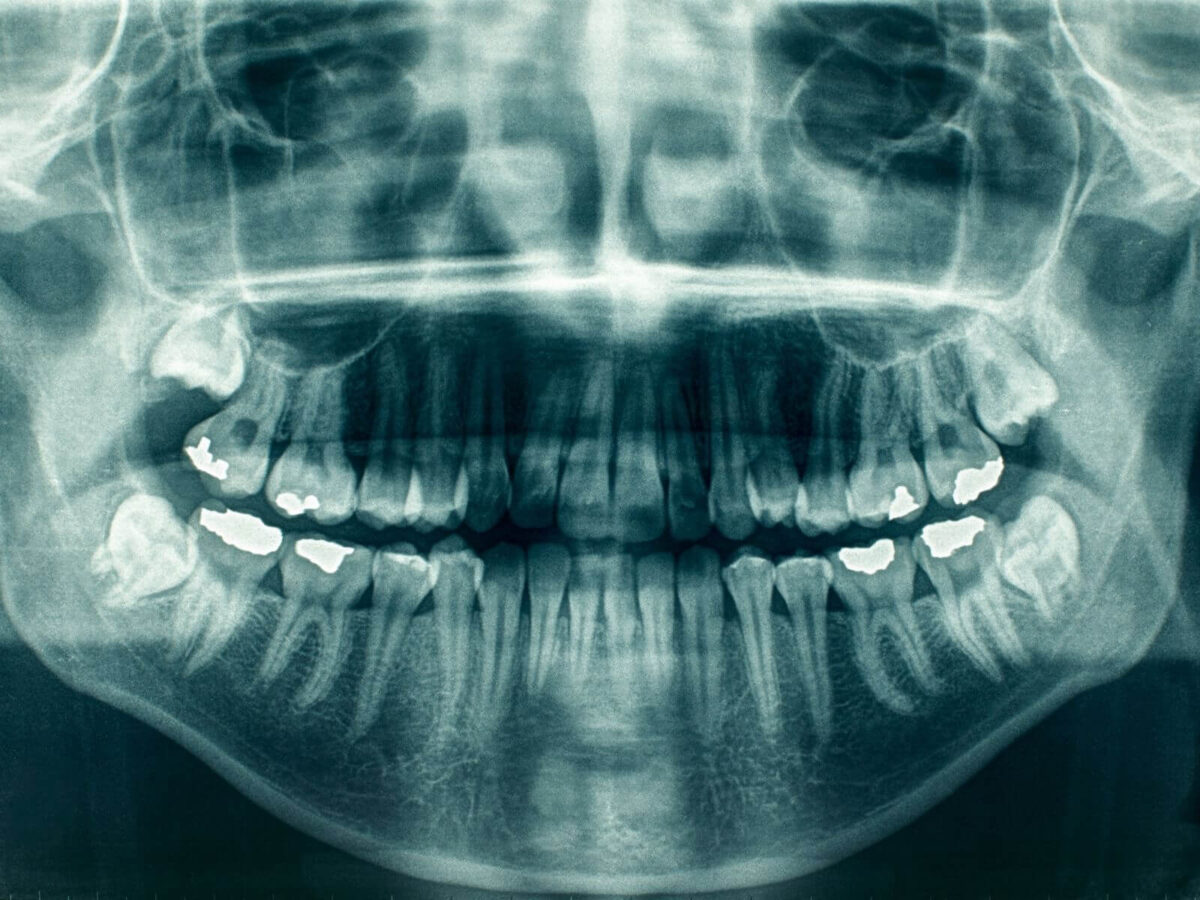
It’s kind of a strange name when you really think about it. “Wisdom teeth.” You hear it growing up, people mention it like it’s just a normal thing, and you don’t question it. Then one day, usually when they start coming in, or someone around you is getting theirs removed, the thought kind of hits. Why are they called wisdom teeth? What does “wisdom” have to do with teeth?
And the funny part is, it sounds like there should be some deep explanation behind it. Something more scientific, or at least something meaningful. But once you know what it is, you note that it is very simple. Not boring. Just not what you had in mind at first.
Why are they called “wisdom teeth”?
Wisdom teeth come in later than everything else, and that’s basically how the name came about. Most of your teeth come in when you’re a kid. You lose them, they grow back. And by your teenage years, it feels complete. After that, nothing really happens, so you don’t expect anything new.
Then these come in. At the end of the teens or early 20s. Not exact for everyone, but close enough that people picked up on it. It just kept happening that way. And back then, that age wasn’t taken lightly.
It wasn’t just another stage. It was when you were considered more mature. More aware. More… wise, in a general sense. So the teeth that showed up during that time got tied to that idea. That’s really where why are they called wisdom teeth comes from. Not because they make you wise. Just because of when they arrive.
This Name Goes Back a Long Way
This isn’t something new. It goes back to older languages. In Latin, they called them “dentes sapientiae,” meaning “teeth of wisdom.” Greek had a similar meaning too. It wasn’t about being wise, just about reaching a certain age. So the name didn’t come out of nowhere. It was based on when these teeth usually appear.
Different cultures noticed the same thing and ended up naming it in almost the same way. That part is actually interesting, because it shows how consistent the observation was. People didn’t have modern dental knowledge back then, but they still picked up on the pattern over time. Teeth that come later meant something. They linked it to maturity. That was enough.
But Here’s Where It Gets a Bit Strange
Not everyone even gets them. And that’s something people don’t always realize at first. Some people get all four. Some get fewer. And some don’t develop wisdom teeth at all. It’s not rare in the way it sounds. It’s actually becoming more common.
Researchers have linked this to changes in human evolution, especially jaw size. Over time, our diets have changed. We don’t chew the way early humans did, and our jaws have adapted. Smaller jaws. Less space. And sometimes, no room for those extra molars.
The NIDCR mentions that wisdom teeth are the last molars to develop. But not everyone even gets all of them. The name stayed the same, though. The experience didn’t really stay the same for everyone.
What Was Their Purpose?
At one point, wisdom teeth made sense. Early humans had tougher diets. Raw plants, hard textures, things that wore down teeth faster than what we eat now. Over time, teeth would get worn out, and having an extra set of molars helped with that. It was practical. Not symbolic.
But as diets changed and tools improved, that need slowly disappeared. Teeth didn’t wear down the same way, but the extra molars didn’t go anywhere. So now you have these teeth that try to come in without enough space. Which is why they cause problems for so many people today.
The Name Sounds Deeper Than It Actually Is
This is probably why people question it. “Wisdom teeth” sounds like it should mean something more. Something philosophical, maybe even something medical. But it’s really just based on timing and perception from a long time ago. There’s no hidden meaning in the biological sense. It’s just an old observation that stuck. Still, people look for meaning in it.
The Whole “Spiritual Meaning” Angle
You’ll hear this sometimes, even if not everyone takes it seriously. People talk about the spiritual meaning of wisdom teeth, linking them to growth, change, or that phase where things in life start shifting. The idea mostly comes from timing. They come in around a time when a lot else is changing, so it’s easy for people to link the two.
It’s not really something science backs, but it didn’t just come out of nowhere either. People tend to attach meaning to things that happen at certain points in life. Especially when it lines up with change. So even though the name wasn’t meant to be spiritual, it kind of picked up that meaning over time, almost naturally.
Why They Don’t Feel Very “Wise” in Real Life
If anything, the experience feels kind of opposite. They don’t come in neatly. It can be awkward. Sometimes painful. Sometimes they don’t fully come through. And a lot of times, they end up being removed anyway. So the name doesn’t really match what actually happens. That’s when questions like why are they called wisdom teeth start to feel a bit strange.
But it was never about that. Not about behavior or comfort. Just timing. When they show up. And that part still holds, even if everything else doesn’t.
Why People Still Ask This Question
It doesn’t feel obvious. The name stands out, and it sounds like it should mean more than it does. That’s why people end up asking things like why are they called wisdom teeth. It feels like there should be a deeper explanation somewhere.
But when you look into it, it’s actually pretty simple. They come in later, that’s it. No big meaning behind it. And sometimes that’s the surprising part, not because it’s complicated, but because you expected something more.
One Small Detail People Don’t Always Notice
They’re usually connected to adulthood. But wisdom teeth don’t really follow the same timing for everyone. Some people get them earlier. Others much later. And some never get them at all. So, tying them to a specific age doesn’t fully work. It’s more of a loose pattern than a rule. Just something people noticed over time. That’s why the name feels a bit less exact when you actually think about it.
FAQs
1. What does “wisdom teeth” actually mean?
It mostly comes from when they appear. They come in later, so people connected them with that stage of life.
2. Is the name based on anything scientific?
Not really. It’s just something people began calling them. And it stuck.
3. Do they actually have a use?
They probably mattered more in the past. Now, for most people, they don’t do much.
4. Do they have any symbolic meaning?
Some people think of them as a sign of growing up. Others don’t read into it at all.
Conclusion
The whole idea of “why are they called wisdom teeth” isn’t really complicated. It mostly comes down to when they show up. They come in later, when you’re a bit older, and that’s where the name came from. There is nothing “spiritual” about that. Even “why is it called the wisdom tooth” comes from that same idea. There is nothing too deep behind it.
If your wisdom teeth are starting to come in and something feels a bit off, don’t overthink it too much. It happens. But it’s still worth getting it checked instead of waiting it out. A quick visit can clear things up fast. And honestly, it just feels better knowing what’s going on rather than guessing.

