
Blog
Dental hygiene tips for healthy teeth & gums
Tooth Cavity Filling: Types, Procedure, Cost, and Recovery Explained
It doesn’t start in any obvious way. You’re just eating or brushing, and one spot feels slightly different. Not painful, just noticeable. You pause for a moment, then forget about it because it doesn’t stay.
A few days later, it shows up again. Same place. That’s when it sits in your mind a bit longer. Not serious, but not something you completely ignore either.
Then, during a checkup, it gets confirmed. A small cavity. And suddenly, something that felt minor becomes something real. That’s when you start wondering what a tooth cavity filling actually is.
What’s Actually Going On Inside the Tooth
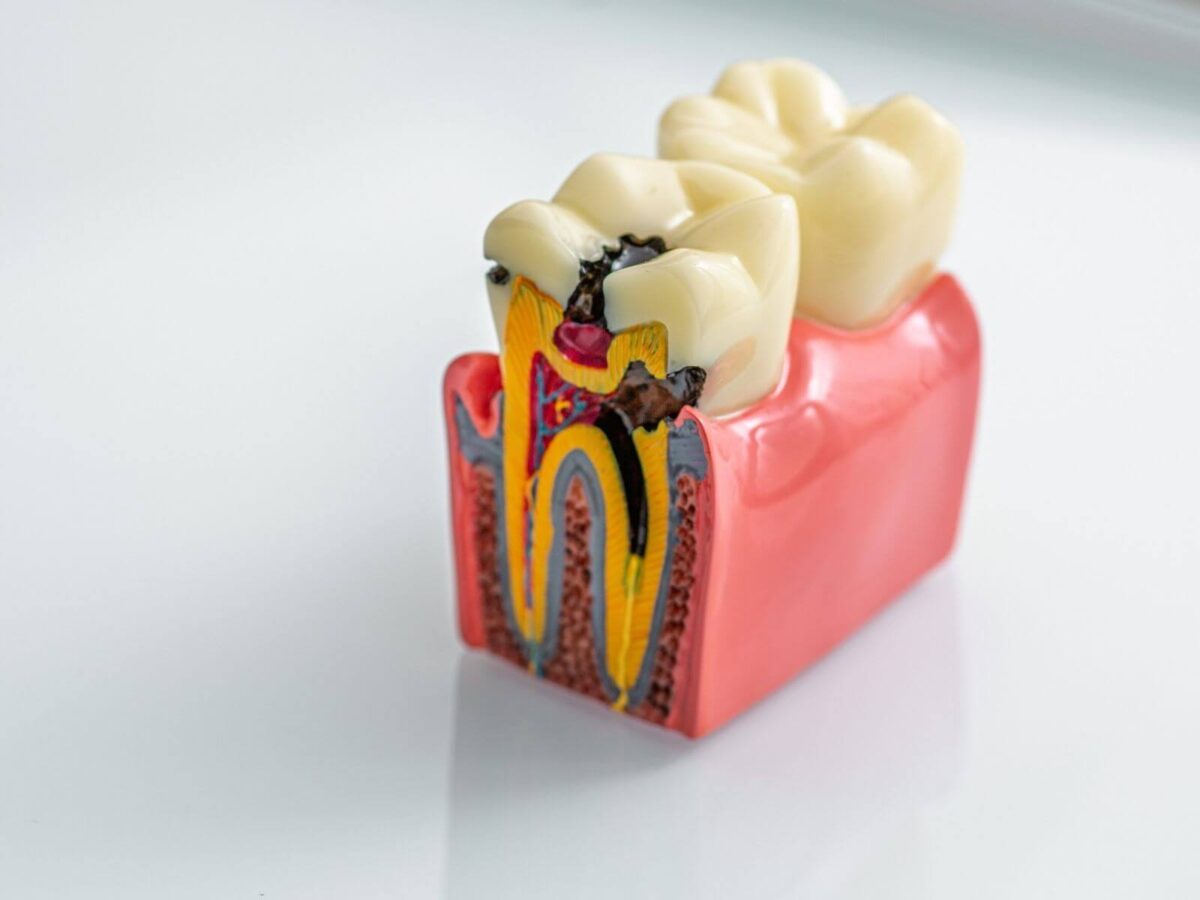
A cavity is not something that shows up overnight. It builds slowly. Food, bacteria, acids, all of it adds up. The outer layer starts to weaken over time. At first, you don’t notice it much. Then the tooth isn’t as strong anymore. That’s when it becomes a cavity.
The filling part is just about stopping that process from continuing. The dentist starts by removing the damaged part. They then fill it properly so the tooth holds up again. Not perfect, not brand new, but protected. And honestly, it’s incredibly common.
The CDC mentions that more than 90% of adults have had cavities. And a good number of those end up needing fillings at some point. So if you’re here, you’re in pretty familiar territory.
What Types Are Usually Used
This part can feel a bit confusing at first. Because you expect one standard option, but there are actually a few. Not wildly different, but enough that your dentist might suggest one over another depending on the situation.
Tooth-colored fillings are pretty common now. They match your teeth, so once it’s done, it doesn’t really stand out. That’s why they’re often used for front teeth or anywhere visible.
Then there are silver fillings. They’re stronger in some ways and have been used for years, especially for back teeth where there’s more pressure.
There are also ceramic options, and even gold in some cases, though that’s less common now.
The ADA mentions that different materials come with their own mix of strength and appearance. That’s why the same option doesn’t work for every tooth. It depends on where the filling is and how that tooth is used.
So the tooth cavity filling process isn’t just about what’s done. The material makes a difference as well.
What the Procedure Actually Feels Like
It might sound like a lot at first. But when you’re actually there, it feels simpler than expected. You sit down, the area is numbed, and after that, it’s mostly pressure. You notice the movement, the sounds too. But not pain. That part usually doesn’t happen. They clean it out and fill it.
And it doesn’t take that long either. Most fillings are done in about 20 to 40 minutes. Sometimes a bit longer, depending on the tooth. So the cavity tooth filling process isn’t really as long as it feels in your head before going in.
The Cost Part (Which Everyone Thinks About Quietly)
This is usually the part people don’t ask first, but think about anyway. The tooth cavity filling price isn’t fixed. It depends on the size of the cavity and the material used. Where the tooth is located also plays a role. Back teeth can be slightly more complex, which can affect cost.
On average, it falls somewhere between 100 to 200 dollars per tooth, sometimes more, depending on the material. So it’s not one number. It’s a range.
Right After It’s Done (This Part Feels Strange at First)
As the numbness goes away, things can feel different. Not pain, just a bit off. Your bite might not sit the same as before. You notice it when chewing, mostly on that side. Most times, it settles on its own. Your mouth adjusts without you thinking much. And if it doesn’t, it usually just needs a quick adjustment.
Recovery Isn’t Really a “Recovery”
This is the part people don’t expect. There isn’t much recovery, really. You go back to normal pretty quickly. When the numbness fades, things feel normal again. You start eating and talking like normal. You might avoid hard or sticky foods for a bit. Sometimes there’s a little sensitivity, especially with cold drinks. But it usually goes away in a couple of days. After that, it kind of leaves your mind.
What Happens If You Just Leave It
This is where things don’t stay the same. A cavity doesn’t just sit there. It grows. Slowly in the beginning, so it’s easy to miss, and then more clearly later on. By the time it reaches deeper into the tooth, the treatment isn’t as simple anymore.
The NIDCR explains that decay keeps progressing if it’s left untreated and can affect deeper layers of the tooth. What could have been handled with a tooth cavity filling early on doesn’t stay that way. It turns into something more involved. So it’s not just about a small fix. It’s about stopping it before it gets there.
How Long Do Fillings Actually Last
Fillings aren’t permanent, but they do last a decent amount of time. In most cases, composite ones stay in place for around 5 to 10 years. Sometimes longer, sometimes less. It really depends on how the tooth is used day to day. Biting into hard foods, grinding at night, even small habits you don’t think about, can slowly affect how long it holds up.
The tooth cavity filling process feels like the main thing, but it’s not just that. What you do after the procedure, your daily routine, all of it adds up over time. So it’s not only about the filling. It’s also about how things are handled over time.
Why People Put It Off
It’s usually not about fear. It’s more about how it fits into your day. You think it’s small, something that can wait. There’s no strong pain, nothing that really interrupts you, so it doesn’t feel important enough to deal with right away.
But that’s where things shift slowly. Problems like this don’t always show up loudly. They stay quiet for a while. Something that could have been handled with a tooth cavity filling early on starts getting bigger over time. And by the time it actually feels like something, it’s not as simple anymore.
FAQs
What does a filling actually mean?
It’s just fixing a small area of decay so it doesn’t turn into something bigger.
So, what does it usually take time-wise?
The tooth cavity filling process usually takes up to 40 minutes. Sometimes a bit less.
What kind of cost are we talking about?
Somewhere around 100 – 400 dollars. Depends on the material and how simple it is.
Is it painful or not really?
Not really. It’s numbed. It normally feels more like pressure.
Conclusion
A tooth cavity filling can sound like a big deal at first. But in most cases, it’s a small step meant to stop things early before they turn into something bigger. The tooth cavity filling process is where it can start to sound like a lot is happening. But when you’re actually in the chair, it doesn’t feel that detailed. You’re not keeping track of each step. It just kind of happens in the background.
Something feels off? It’s worth not ignoring it for too long. It doesn’t mean anything serious yet. It just means it’s better to check it early. Waiting can make things a bit more involved than they need to be. You don’t have to figure it all out by yourself, either. A quick dental visit can clear things up. If needed, you can get it treated early and not have to think about it again later.

