
Blog
Dental hygiene tips for healthy teeth & gums
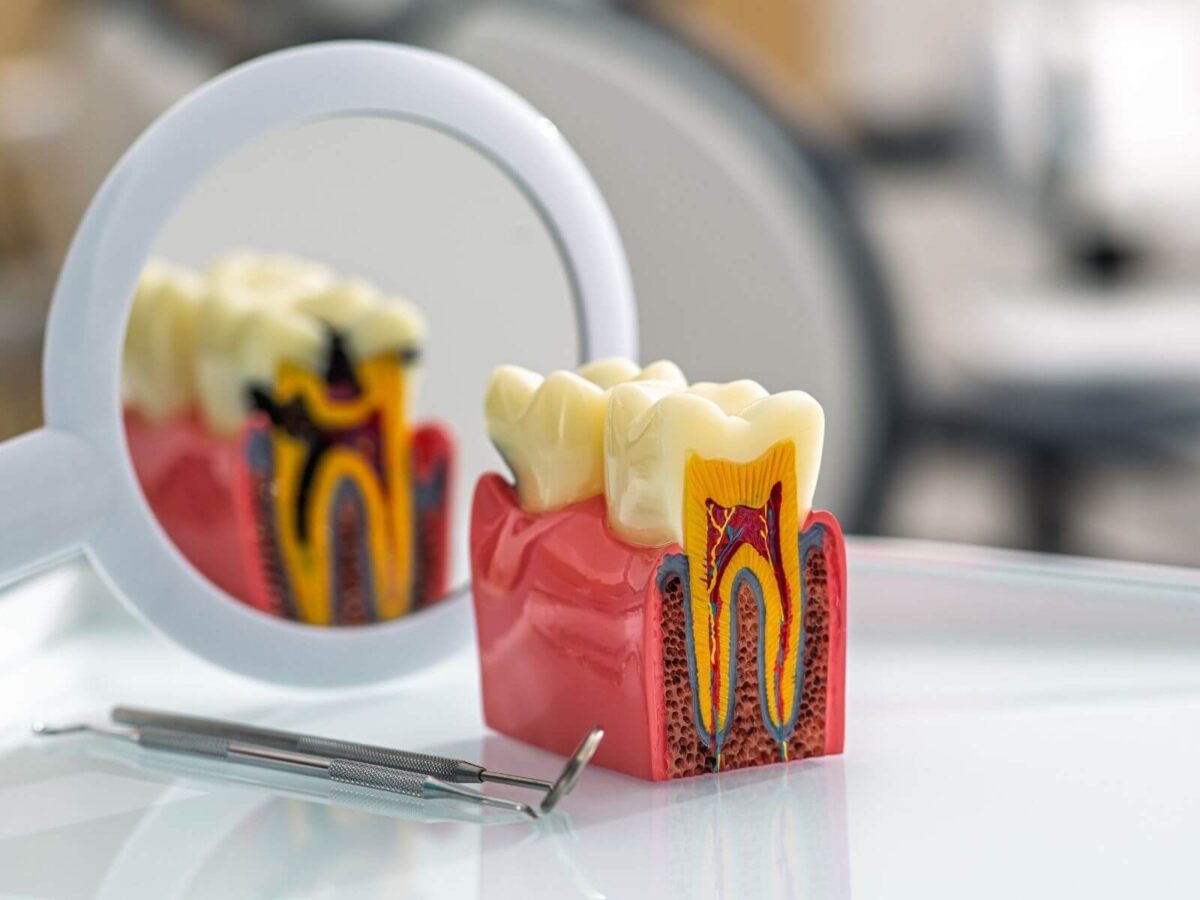
Cavity or Stain? How to Tell the Difference on Your Tooth
Sometimes it begins in a really ordinary moment. You’re brushing, not paying much attention, and then you suddenly notice something. A small dark spot. Not very obvious, just different enough that you pause for a second and look again. At first, you think maybe it’s because of different lighting. You check again later, and it hasn’t gone anywhere. That’s when it starts sitting in your head. You start asking, “Is it just a stain? Or something you should actually worry about?”
And the frustrating part is, it’s not always clear. Not immediately, anyway. Because when it comes to cavity vs stain, both can look almost the same in the beginning, especially when nothing hurts.
Why This Confuses So Many People (It’s Not Just You)
Most people expect a cavity to feel obvious. Pain, sensitivity, something sharp enough to make you react. But early cavities don’t always behave that way. In fact, they’re often quiet. They sit there without causing any strong reaction, which makes them easy to overlook.
Stains do the same thing. They appear slowly, usually from everyday habits. Coffee and tea are the main ones. Even certain foods that you wouldn’t think twice about can cause them. You don’t notice when they start, only when they’ve already settled in.
The CDC mentions that more than 90% of adults have actually dealt with cavities. And a lot of them start without any clear signs. So this kind of confusion isn’t unusual.
A Stain Usually Looks Worse Than It Feels
Here’s where things get slightly clearer. A stain can look quite noticeable, sometimes darker than you’d expect, but when you pay attention to how the tooth feels, nothing really stands out. It’s smooth. No rough edges. No change when you run your tongue across it. That part is important.
Because stains sit on the surface. They don’t change the structure of the tooth underneath. Even when they look uneven in color, the surface itself usually stays the same. And sometimes, the color shifts depending on the light. So it can look worse than it actually is.
A Cavity Feels Subtle Before It Feels Serious
Cavities don’t usually announce themselves. They sort of build quietly. At first, the change is small. Maybe the surface feels slightly different, not completely smooth. You might not even notice it unless you keep going back to that spot with your tongue.
Then something else happens. Cold water feels sharper in that one area. Or something sweet hits that spot and feels different than it should. It’s not strong enough to worry you immediately, but it’s enough to notice. And it keeps happening.
That repetition is usually where tooth stain vs cavity starts separating. One stays the same. The other slowly changes.
Color Helps… But Only a Little
It would be easier if color gave a clear answer. But it doesn’t. Stains can be dark brown, even black sometimes. Cavities can start as light spots, almost invisible unless you’re really looking. So just seeing a dark mark doesn’t confirm anything. Dentists actually rely more on texture and progression than color alone. That’s because a cavity changes over time. A stain usually doesn’t.
Where the Spot Is Tells You More Than You Think
Where the spot shows up makes a difference. If the spot is on a flat, visible surface, mainly in the front? It’s more likely a stain.
But if it’s between teeth or deep in the grooves of molars? That’s where cavities tend to form. Those areas are harder to clean, so buildup happens more easily.
The NIDCR explains that cavities often develop in areas where plaque is difficult to remove. Normally, between teeth or in grooves. So the position of the spot usually isn’t random. It tends to follow a pattern.
Time Is the Biggest Clue (Even More Than Appearance)
What helps more than anything is simply this: Keep watching it over time. If the spot doesn’t change for weeks or months, no growth or shift in texture, it’s likely a stain.
But if it slowly changes, even slightly, that’s a cavity. Cavities don’t stay still. They develop. That’s actually one of the key differences in cavity versus stain, even though it’s not something you notice right away unless you’re paying attention.
Why Waiting for Pain Doesn’t Really Work
A lot of people wait for pain as confirmation. It feels logical. If something is wrong, it should hurt. But early decay doesn’t always reach the nerve right away. It stays in the outer layers first, which means everything can feel normal for quite a while. Pain comes later. And by then, the situation is usually more advanced. That’s why using pain as a guide for cavity vs stain can be misleading.
Can You Test It Yourself (At Least a Little)
People try different things. Brushing more carefully. Using whitening toothpaste. Checking if the spot fades or changes.
Sometimes it helps. If it lightens, it might be a stain. But not always. Some stains don’t go away easily, and cavities won’t change at all with brushing. So while this gives you a hint, it doesn’t give you certainty. And that uncertainty is usually what keeps people guessing.
What Dentists Notice That You Probably Won’t
Dentists see things differently. It’s not only about color. They check the texture as well, whether the surface feels firm or not. And sometimes they use X-rays to look underneath. Since what you see on the surface isn’t always the full picture.
A tooth can look fine from the outside, but still have something going on inside. And sometimes, what looks worrying isn’t actually a problem. That’s why guessing just by looking doesn’t always work. It only tells you so much.
Why This Gets Overthought So Easily
You notice a spot, and then you keep going back to it. Looking at it again and again. Different angles, different lighting, sometimes even comparing it to other teeth just to see if it looks the same. It’s easy to get stuck doing that.
Not having a clear answer can really get frustrating. It does not go anywhere. You simply keep thinking about it. That’s the annoying part.
When It’s Actually Worth Getting It Checked
If a spot feels a little rough, reacts to cold or hot, or just seems different than before, it’s probably worth checking. Not urgent. But also not something to ignore for too long. It’s easy to keep putting it off.
If it’s just a stain, then good. At least it’s clear. And if it’s something more, catching it early makes things easier. Less to deal with later, and usually less complicated overall.
FAQs
1. What is a cavity vs a stain?A cavity goes deeper and affects the
tooth itself. A stain usually stays on the surface.
2. How to tell if the a tooth stain or a cavity?
Stains stay smooth and stable, but cavities may feel rough and change over time.
3. Does a cavity always hurt?
No, early cavities often don’t cause pain.
4. Can stains become cavities?
Not directly, but poor hygiene can lead to decay alongside staining.
Conclusion
At the start, cavity vs stain doesn’t really stand out. It just stays there, and it doesn’t feel urgent enough to act on. That’s usually how it gets ignored. Later on, though, that small difference starts to matter more. That’s when tooth stain vs cavity actually becomes something you want to understand.
Have you noticed something that isn’t going away or just feels a bit off? It’s worth getting it checked. You don’t have to figure it out on your own. A quick visit can clear things up pretty fast. It’s simple, takes less time than you expect, and honestly, it just saves you from overthinking it later.

