
Blog
Dental hygiene tips for healthy teeth & gums
Types of Dental Crowns: Materials, Pros, Cons, and Costs (2026)
Dental crowns get discussed a lot during treatment plans, especially after root canals, broken teeth, or larger fillings that stop holding up properly. Then the material conversation starts. Porcelain. Zirconia. Metal. Ceramic. Patients hear several names during one appointment, and most of them sound similar at first.
The thing with types of dental crowns is that there is not one version used for every tooth. Front teeth and back molars usually end up in different conversations. Grinding habits matter too. Some crowns are chosen mostly for appearance. Others get picked because they tolerate heavy chewing pressure better.
When a tooth is no longer strong enough to function normally, dentists may place a crown over the visible part of it. Research from the American College of Prosthodontists shows that millions of crowns are placed each year in the United States.
Why Crown Material Discussions Get Confusing
A lot of crown materials overlap in how they are described. One office says ceramic. Another says porcelain crown. A different office uses zirconia for almost everything. Then online searches for different types of dental crowns start pulling up older metal crowns beside newer digital restorations, and things become even less clear.
Some materials have changed a lot over the last decade, too.
Zirconia crowns now look different from older versions that many people saw years ago.
What Porcelain Crowns Are Usually Used For
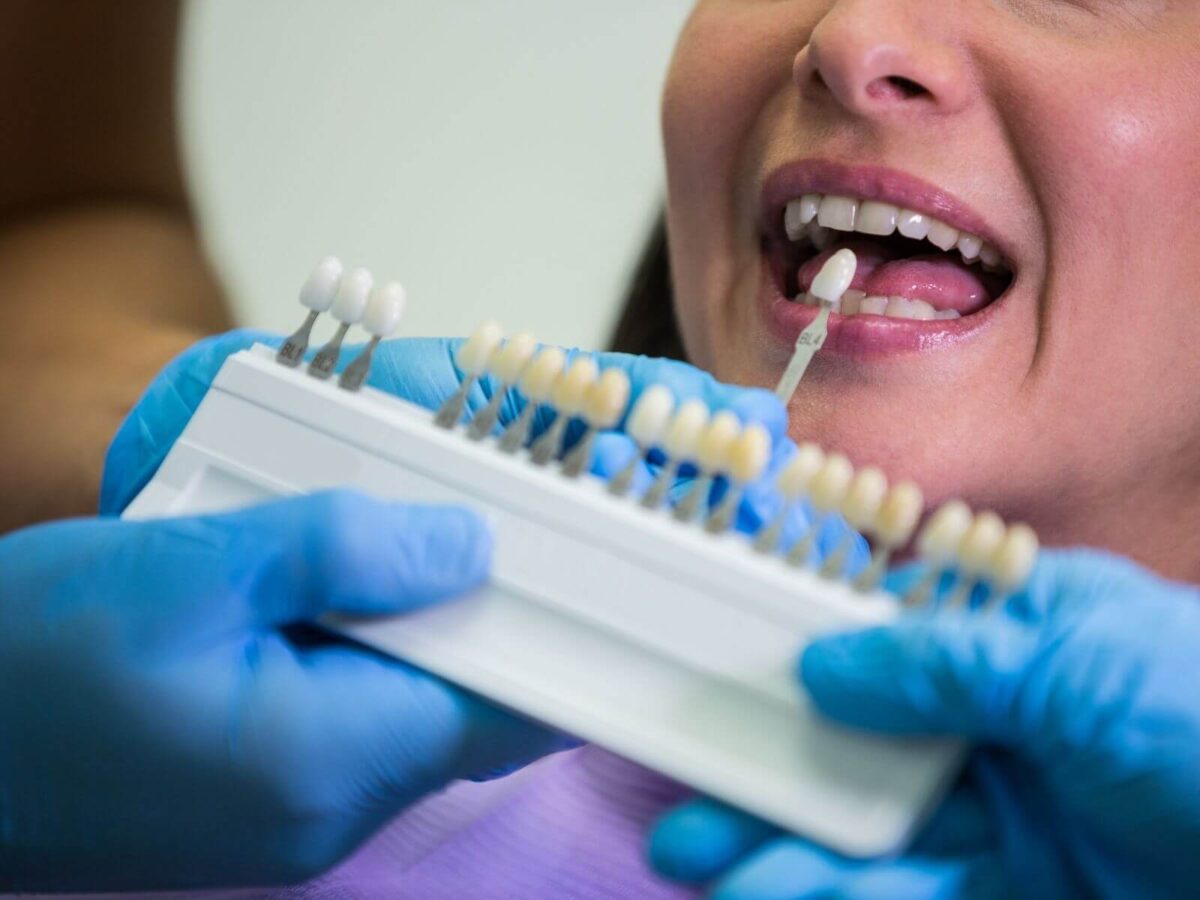
Many dentists recommend porcelain crowns for front teeth since appearance matters more in that area. The color tends to match natural teeth better than older metal restorations. The surface also reflects light differently from metal crowns, which matters more near the smile line.
They do require decent support underneath, though. Porcelain can chip under heavy grinding pressure in certain situations. That conversation comes up more around molars.
Why Zirconia Crowns Became So Popular
A lot of dentists recommend zirconia crowns now because they are durable. Back teeth deal with heavy chewing pressure, and zirconia handles that force well. Modern dental systems also work smoothly with zirconia crowns. Out of the common types of dental crowns, zirconia is used very often on molars.
Older zirconia materials did not look very natural before. The newer versions have improved cosmetically. Many dental offices now place zirconia on most back teeth.
What Metal Crowns Are Like
Metal crowns still exist even though people talk about them less now. Gold-based crowns used to appear more regularly years ago, especially on back molars. They hold up extremely well against chewing wear and rarely chip the same way porcelain can.
The appearance keeps many patients away from them now, unless the crown sits very far back in the mouth. Metal crowns also wear differently against neighboring teeth. Dentists still bring that up during material discussions sometimes.
Porcelain-Fused-To-Metal Crowns – Why They Stayed Common For So Long
Dentists make these crowns by combining metal and porcelain materials. Metal adds strength underneath, while porcelain helps the crown look more natural from the outside. For a long time, they were one of the most widely used types of dental crowns in dentistry.
Over time, some crowns develop a visible dark edge near the gums. Gum recession can make it easier to notice. That cosmetic issue pushed many dentists toward all-ceramic options later on.
All-Ceramic Crowns – What Are They Usually Chosen For
These crowns are often used when color matching matters more. Front teeth discussions often move toward ceramic restorations where natural translucency matters more. The crowns can blend nicely beside the surrounding enamel when the shade work turns out well.
Some ceramic materials are thinner, too, which changes how much tooth reduction is needed underneath. The strength level depends on the exact ceramic being used.
Why Temporary Crowns Feel Different
Temporary crowns are part of the process for many patients. They tend to feel rougher or lighter than the final version. Some come loose while eating sticky foods. Others stay stable the entire time without much issue.
Before the new crown is placed fully, the temporary one helps the dentist see if anything feels off with the bite. Dentists can still make small bite changes during that stage if needed. Most people notice the tooth feels different once the crown is finally in place.
What Crown Costs Look Like In 2026
Crown pricing changes a lot depending on location, material, and the office itself. A porcelain or zirconia crown may fall somewhere between $1,000 and $2,500 per tooth in many areas of the United States. Some offices charge more for cosmetic front tooth work or digitally fabricated same-day crowns.
Insurance plans also handle crowns differently. Some cover part of the fee after deductibles, while others classify certain materials separately.
The American Dental Association says crown costs can vary quite a bit. The restoration type, materials, and overall dental work involved all play a role.
Why Back Teeth And Front Teeth End Up With Different Crown Recommendations
Front teeth and molars deal with different demands. Back molars absorb stronger chewing pressure every day. Front teeth sit in a more visible area where color and translucency become harder to ignore.
This is why dentists may recommend zirconia on one tooth and ceramic on another during the same treatment plan. The material discussion changes depending on the location inside the mouth.
How Same-Day Crowns Changed Some Dental Offices
Digital crown systems changed workflows quite a bit in some practices. Certain offices now scan the tooth digitally, design the crown on software, and mill the restoration in-office during the same appointment. Other clinics still use outside dental labs for most crown work. Both approaches exist everywhere right now.
The same-day process feels convenient for patients who want fewer appointments. The material choices sometimes become narrower depending on the system being used.
Why Bite Pressure Matters With Crown Selection
Grinding and clenching habits affect crown planning more than patients expect. Heavy bite pressure changes how certain materials wear over time. Some crowns chip more easily under strong nighttime grinding. Dentists occasionally recommend night guards after crown placement for that reason.
Molars usually get more discussion around durability compared to front teeth. That part shifts the conversation toward zirconia pretty quickly in many offices.
When A Dental Crown Does Not Fit Right Anymore
Dental crowns are durable, although they can still develop wear later on. The edges sometimes change over the years, and the cement underneath can slowly break down. Plaque around the crown area sometimes leads to decay later on. Different types of dental crowns also wear differently depending on the material.
Some people keep the same crown for a very long time. Others need replacement much sooner because of fractures or bite problems. Many crowns stay in place for 5 to 15 years, according to the Cleveland Clinic. Oral habits and the type of material both make a difference.
FAQs
What crown options are most common these days?
A lot of dental offices use zirconia crowns now. Porcelain is another common choice. Ceramic and metal crowns are still used in some situations. The different types of dental crown options depend on the tooth and the bite.
What kind of crown usually lasts longer?
Metal and zirconia crowns last longer than some other materials. They handle chewing pressure better in many cases.
Do porcelain crowns break more easily?
They can sometimes chip more easily than zirconia. Porcelain is usually chosen more for appearance, especially on front teeth.
Why do crown prices vary so much?
Different materials cost different amounts. Dental office fees can vary, too. Some treatments also make the total price higher.
Will people notice a dental crown?
Usually not right away. Most crowns are made to match nearby teeth. Good color matching helps a lot.
Conclusion
The conversation around types of dental crowns changes depending on the tooth, the bite, the material preferences, and how visible the area is during everyday speaking or smiling. Some crowns focus more on strength. Others lean more toward cosmetic blending. Then there are situations where both become equally important during treatment planning.
If your dentist recommends a crown, asking about the different types of dental crown materials available for your specific tooth can make the decision process a lot clearer before treatment begins.

