
Blog
Dental hygiene tips for healthy teeth & gums
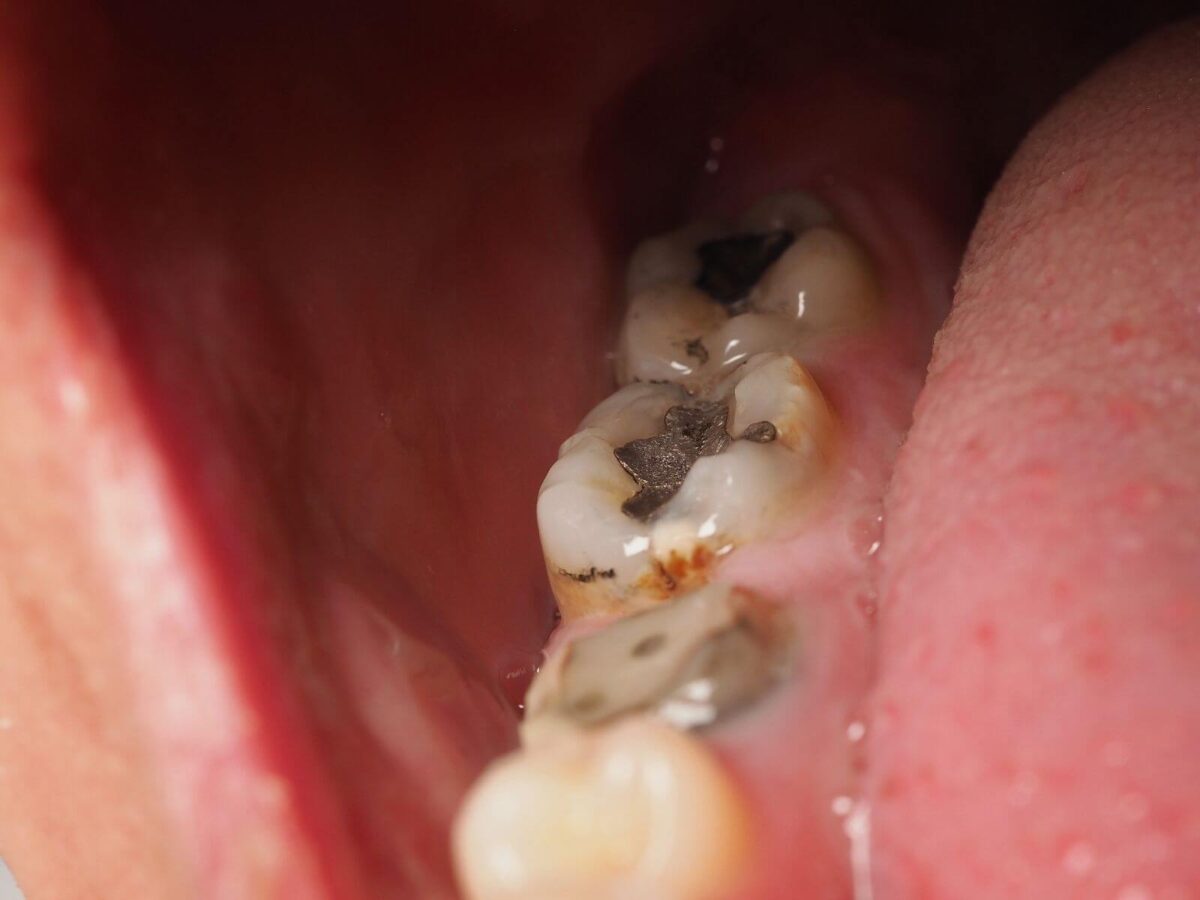
Tooth Decay in Preschoolers: Causes, Prevention, and Treatment
Preschool cavities can show up earlier than parents expect. Sometimes the first sign is a faint white area near the gums. Food may start collecting around one back tooth more often than before. Since the child still seems completely fine during meals, the cavity is easy to overlook early on. Then a dental visit happens, and there are already several spots being discussed.
Tooth decay in preschoolers gets connected to sugar pretty quickly, though the bigger picture around it is not always straightforward. Snack timing changes things. Bedtime routines do too. Brushing becomes inconsistent for a while and then improves again for a few weeks. Preschool years are messy like that. The CDC still considers cavities a very common problem in children.
What Do Early Dental Cavities Look Like?
Not every cavity starts as a visible hole. Some areas look chalky first. The tooth surface may begin looking dull in certain spots near the gumline. Over time, brown marks sometimes appear around the molars or front teeth.
The change can stay subtle for a while. Parents sometimes notice the tooth looking “different” without being able to explain exactly why.
Why Baby Teeth Get Cavities So Easily
Baby teeth are thinner than adult teeth. Decay moves through them faster once it gets past the enamel surface. A cavity that still looks small from the outside may already be deeper underneath. That becomes clearer during dental X-rays sometimes.
The smaller size of preschool teeth changes treatment decisions, too. Dentists may recommend crowns earlier than parents expect once larger areas weaken the tooth structure.
Why Nighttime Habits Come Up So Much
Dentists bring up bedtime drinks pretty often during visits for tooth decay in preschoolers. Milk, juice, flavored drinks, and bottles used during sleep can leave sugars around the teeth for hours overnight.
The mouth also produces less saliva during sleep. That means food particles and sugars do not clear away as easily as they do during the daytime.
Upper front teeth tend to show this pattern more clearly. The lower front teeth usually look different during exams.
What Foods Become A Problem For Preschool Teeth?
Sticky foods stay around longer. Crackers and snack foods can leave soft residue around the molars and between the teeth. Some children also snack throughout the afternoon instead of sticking to larger meals at set times.
That pattern shows up pretty regularly in cavity discussions. It is not always candy, either. Parents get surprised by that part.
Why Brushing Gets Complicated During Preschool Years
Preschoolers want to brush independently very early. The problem is that brushing alone and brushing thoroughly are two different things. Back molars get missed a lot. Gumline areas, too.
A child may brush without any problems for days and then suddenly fight the routine the next week. Sometimes there is no obvious reason behind it at all. A lot of parents end up dealing with that pattern for a while.
Why Cavities In Preschoolers Do Not Always Hurt Immediately
Pain usually comes later. Small areas of decay may not bother the child much in the beginning. Some children continue chewing normally even with visible cavities. Others become sensitive during brushing long before they complain about pain directly.
Parents occasionally notice behavior changes around food first. Cold foods get avoided quietly sometimes.
What Happens If Cavities Keep Spreading?
The tooth can eventually become sensitive while chewing or drinking something cold. Sleep problems may start once deeper areas inside the tooth become irritated. Infections may develop, too, if the cavity reaches the nerve area.
The American Academy of Pediatric Dentistry explains that untreated cavities can affect a child’s daily routine. Sleeping can become harder once the tooth starts hurting more often. Chewing may change, too, especially around harder foods. Some preschoolers stop using one side of the mouth and never really mention why. Other children still seem completely comfortable even when the cavity is already visible.
How Dentists Treat Early Dental Cavities
Very early spots may receive fluoride treatment and monitoring instead of fillings immediately. Smaller cavities usually need fillings before they spread farther into the tooth. Larger areas sometimes require crowns on baby molars, especially when the cavity involves multiple sides of the tooth.
That recommendation catches parents off guard occasionally. The crowns used on baby teeth look different from adult crowns, though. Stainless steel versions are common for back molars.
What Does Early Childhood Cavities Treatment Feel Like For Children?
Some preschoolers sit through treatment surprisingly well. Others become nervous once the lights and instruments appear near the chair. Pediatric dental visits move differently from adult appointments for that reason. Breaks happen more often. Explanations stay simpler.
Certain children need sedation for larger treatment plans involving multiple cavities. That depends on the amount of work needed and how cooperative the child feels during appointments.
Why Front Teeth And Molars Get Different Types Of Cavities
Front tooth decay and molar decay do not always look the same. Upper front teeth often show smooth-surface cavities connected to prolonged liquid exposure around the teeth. Molars collect plaque and food more easily inside grooves and deeper chewing surfaces.
The patterns become recognizable after a while during pediatric exams. Different teeth wear down differently, too.
What Helps Lower The Risk Of Cavities In Preschoolers
Fluoride toothpaste matters. Supervised brushing matters too. Many preschoolers still need direct help cleaning near the back teeth, even if they brush independently first. Dental visits also help catch smaller cavity areas before treatment becomes more involved.
The CDC says fluoride toothpaste helps reduce cavity risk in children when brushing becomes part of the daily routine. Night brushing still slips pretty easily in a lot of homes, though.
Why Early Dental Visits Change Things
Some cavities look pretty minor during brushing at home and then appear much larger during the dental visit. Dentists see that fairly often with cavities in preschoolers, especially around the back teeth, where decay is harder to notice early.
Routine visits also help younger children become more familiar with the dental office before they ever need emergency treatment. Some kids handle appointments much better afterward because of that.
FAQs
Tooth decay in preschoolers – What’s the cause?
The molar area tends to trap food pretty easily in younger kids. Add frequent snacks and sweet drinks during the day, and cavities can start showing up faster than parents expect.
Can early dental cavities improve before they become worse?
In very early stages, dentists sometimes notice enamel changes before a deeper cavity forms. Fluoride treatment may help in some of those situations.
What happens during early childhood cavity treatment?
That depends on how much decay is present. Some children need small fillings while others may only need monitoring and preventive treatment first.
Are cavities in preschoolers actually common?
Very common. Dentists see cavities in younger children pretty regularly during checkups.
Do baby teeth still need treatment if they have cavities?
Yes. Baby teeth can still become painful once cavities grow deeper. Some children also start avoiding certain foods when chewing becomes uncomfortable.
Conclusion
A lot of parents expect tooth decay in preschoolers to look obvious right away. It does not always happen like that. Sometimes parents first notice small white areas near the gums or food getting trapped around the molars more often. The child still eats normally. Still plays normally, too. Then the cavity looks much more noticeable later during a cleaning or exam. That slower buildup is part of why cavities in preschoolers sometimes catch parents by surprise.
If something about your child’s teeth has started looking different lately? It is probably worth having the area checked instead of continuing to watch it for weeks. Small cavities can grow quite a bit before the changes become obvious at home. Getting the tooth checked now can make treatment feel much easier later.

