
Blog
Dental hygiene tips for healthy teeth & gums
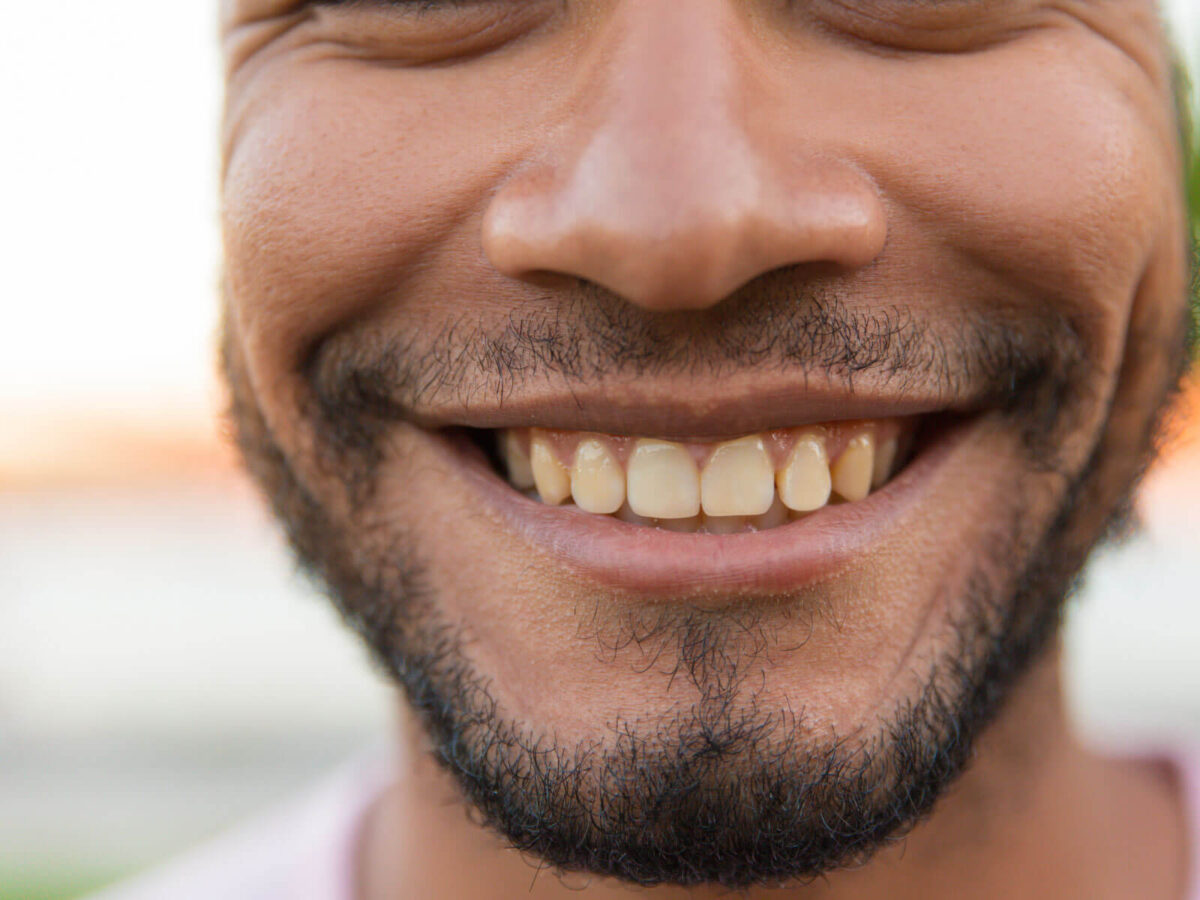
How to Get Rid of Yellow Teeth: Safe and Effective Methods
I’ve had people describe spending forty dollars on whitening strips, using them religiously for two weeks, and seeing almost no difference. And I’ve had others try the same product and get results within days. Same product, very different outcomes.
What usually gets missed is that “how to get rid of yellow teeth” depends on what’s actually causing the color. Two people with yellow teeth can have completely different reasons for it. The product that works for one of them does nothing for the other.
That’s the piece most whitening content skips. Here’s the version that doesn’t.
Why Are Teeth Yellow
A lot of whitening attempts fail for the same reason. Nobody asked why the teeth are yellow before picking a product.
Cleveland Clinic separates tooth discoloration into two types. Staining on the outer enamel surface, the kind that builds up from coffee, tea, wine, and tobacco. And discoloration inside the tooth, in the dentin layer underneath the enamel. Whitening products work on the first kind. The second kind is a different problem entirely.
The intrinsic kind is mostly about age. Under the enamel is dentin, which runs darker than most people expect. Thinner enamel means more of it shows through. No bleaching product changes that. It’s not staining. It’s the structure of the tooth.
Color matters too. Yellow that builds up over years of coffee drinking is one thing. Gray usually means something else entirely, often a tooth where the nerve has died. Brown with small pits is usually decayed. I’ve had people come in wanting to whiten teeth that needed a filling first. Whitening on top of a problem doesn’t fix the problem.
What Actually Works to Whiten Teeth
Professional whitening
Nothing over the counter gets close to what a dental office can do. Cleveland Clinic notes the results are noticeably better than anything available at home. Higher concentrations, controlled application, faster results. I’ve seen people go in with years of coffee staining and come out looking like different teeth. It costs more than strips, but for significant discoloration, it’s not really a fair comparison.
Whitening strips
Most people I know who’ve actually seen results used strips. They hold a peroxide gel against the teeth long enough for it to penetrate surface staining, which is what makes them work better than a rinse or toothpaste.
Healthline cited a 2021 review that found strips more effective than other over-the-counter options for exactly that reason. A week or two in, most people see something. Cleveland Clinic recommends looking for the ADA Seal on any whitening product before buying. Sensitivity happens with most people. Usually gone before the week is out.
Whitening paste
Slow but easy to stick with. Won’t reverse years of staining on its own, but keeps things from sliding while using other treatments. Look for the ADA Seal. It’s the maintenance layer, not the fix.
What About Home Remedies
Baking soda has more going for it than most home remedies. A 2017 review found it safe and effective for removing surface stains. Mildly abrasive, polishes away staining without damaging enamel, some antibacterial properties too. I’ve mixed it into a paste with water and used it occasionally. It’s not going to replace whitening strips, but it does something.
Oil pulling is everywhere on social media. The ADA doesn’t recommend it as a whitening method, and a 2018 research article found no scientific evidence that coconut oil pulling has any whitening effect. I’d spend that time doing something that actually works.
Activated charcoal has had a long run online. The evidence doesn’t support it for whitening, and the abrasiveness is a real concern for enamel over time. Same story as oil pulling.
Acidic DIY treatments like lemon or strawberry are something I’d skip entirely. Someone I know tried the lemon trick for weeks before her dentist flagged that her enamel was thinning. Acid doesn’t whiten anything. It strips enamel, and thinner enamel means more yellow showing through.
How to Whiten Yellow Teeth Safely – What to Watch For
Sensitivity is the one thing I hear about most. According to the ADA’s teeth whitening page on MouthHealthy, bleaching agents can trigger tooth sensitivity for around four days after treatment. Some people barely notice it. Others find it sharp enough to pause treatment for a day or two.
Whiten yellow teeth, and anything that isn’t natural enamel stays the same color. Crowns, veneers, and fillings do not respond to bleaching agents. Someone I know went through a full whitening treatment, not realizing her front crown wouldn’t budge. The natural teeth got brighter. The crown didn’t. It was noticeable.
Gum irritation is worth knowing about, too. Strips or trays that sit too close to the gum line can cause some temporary redness or soreness. It usually comes down to fit or leaving the product on longer than the instructions say.
Why Did My Whitening Not Work
Someone I know went through two full rounds of whitening strips before a dentist told her the staining was internal. The product was never going to work. Cleveland Clinic points out that tooth discoloration is either extrinsic or intrinsic, and that difference is everything. Bleaching works on surface stains. It doesn’t work on discoloration that lives inside the tooth.
Yellow teeth caused by an untreated cavity or gum disease are a different problem. Whitening products applied to already compromised teeth tend to make sensitivity worse, not better. That’s not a great trade.
A dentist visit before starting any whitening routine isn’t just a formality. Sometimes what looks like a whitening problem is actually a cleaning problem. Sometimes it’s a veneer or bonding situation. Worth knowing before spending money on strips that won’t move the needle.
Get Rid of Yellow Teeth – What Prevents Them from Coming Back
Whitening works until it doesn’t. I’ve spoken to people who got good results and then watched them fade within a few months because nothing else changed.
Coffee and tea are the ones that sneak up on people. A quick water rinse after helps more than most people think. Drinking coffee through a straw sounds excessive until you realize how much direct contact it cuts down on.
Something I didn’t know for a long time was the brushing timing thing. According to Mayo Clinic, acid from food temporarily softens enamel, and brushing too soon just takes that softened layer with it. Waiting an hour lets saliva do its job first.
The maintenance side of trying to get rid of yellow teeth isn’t complicated. Brush twice, floss, and throw in a whitening toothpaste a few times a week. What gets people isn’t laziness. It’s just not realizing how fast the staining creeps back when nothing changes.
FAQ
How long until I actually see the results of whitening?
It really depends on what you’re using. Strips take a week or two before you notice much. One in-office session can do more than weeks of at-home products. Toothpaste takes the longest, sometimes months, before there’s any visible shift.
Can yellow teeth turn white again?
Surface staining, usually yes. Intrinsic discoloration is a different situation and often needs professional treatment or cosmetic work. I’ve seen people go through multiple rounds of whitening on staining that was never going to budge without a dentist involved.
Wait, can whitening actually hurt my teeth?
Sensitivity is the main thing people notice, and it usually passes. Where it goes wrong is overuse, or starting whitening when there’s already a cavity or gum issue that needs attention first.
I brush every single day. So why are my teeth still yellow?
Someone I know asked her dentist this exact question. Turns out her enamel had thinned enough that the yellow dentin underneath was just showing through. Nothing she was doing was wrong. Brushing keeps teeth clean, but it was never going to fix that.
Conclusion
How to get rid of yellow teeth isn’t a one-size answer. It really comes down to what’s causing the color in the first place. Surface staining from coffee, tea, or tobacco is a whitening problem. Intrinsic discoloration from aging or medication is something else entirely, and no strip or gel is going to fix it.
I’ve spoken to people who spent a lot of money on whitening products before anyone told them that. A dentist visit first isn’t just a formality. It’s the part that makes everything else actually work.
A cleaning is a decent place to start if you’re unsure. You’ll walk out knowing more than you did going in, and that alone narrows things down pretty fast.

