
Blog
Dental hygiene tips for healthy teeth & gums
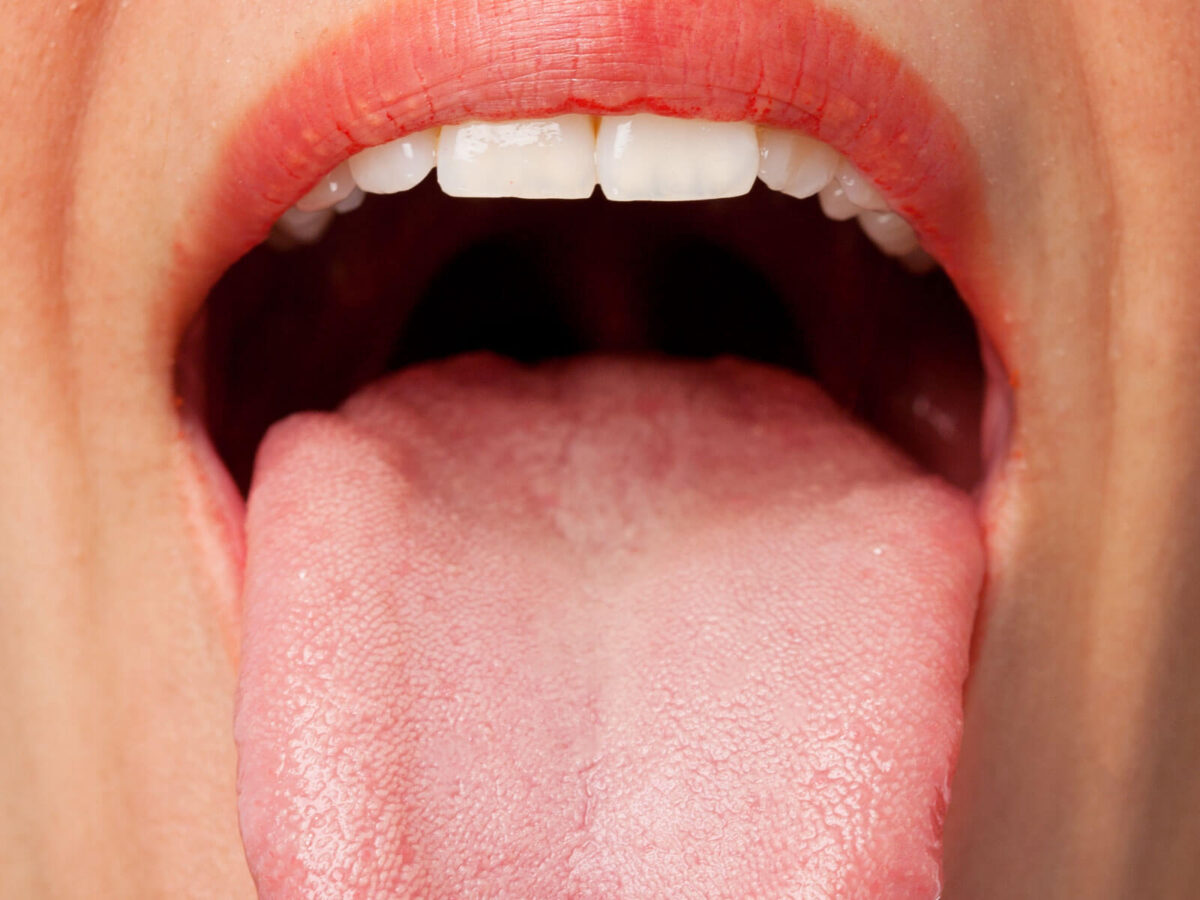
What Causes Oral Thrush in Adults? Risk Factors Explained
Thrush in a baby surprises nobody. Thrush in a healthy forty-year-old is different, because something had to change first.
I get asked this constantly: what causes oral thrush in adults almost never comes down to the yeast arriving from outside. Candida is already there in most of us, sitting quietly in the background.
Something has to weaken the system holding it back, and identifying what that was matters more than the prescription. Antifungals clear the infection. They don’t touch the reason it started.
TL;DR
- Most people carry Candida without ever knowing it. Saliva, a working immune system, and other bacteria crowding the same space usually keep it from ever becoming a problem.
- Antibiotics knock out that bacterial competition more than anything else, and once it’s gone, the yeast expands into the gap.
- The rest comes down to a handful of usual suspects: dry mouth, steroid inhalers, dentures, uncontrolled diabetes.
- It isn’t contagious in the everyday sense, since you already carry the organism.
- Repeated episodes with no identifiable cause need blood tests, not another course of gel.
What’s Actually Causing Oral Thrush in Adult Mouths
Three things normally hold Candida down. Nothing complicated: saliva physically flushes it out, your immune system stays on alert for it, and other bacteria don’t leave it much room to spread.
Weaken any one of those, and the yeast finds room. It’s really the whole mechanism behind almost every case I see.
The risk list looks scattered on the surface for exactly this reason. A tablet, a plastic plate, a blood sugar problem, plain dehydration – each one chips away at a different part of the same defense.
Why Do Antibiotics Trigger It So Often
They don’t target selectively. A broad-spectrum antibiotic clears the bacteria behind your chest infection right along with the ones crowding out Candida.
Yeast isn’t touched by antibacterial drugs at all. With the competition gone, it moves into that space fast, often within days.
Thrush showing up during or just after a course of antibiotics is a pattern I recognize before a patient’s even finished describing it.
How Does Dry Mouth Increase Your Risk
Saliva does the constant washing. Reduced flow means that first line of defense against Candida just isn’t there anymore.
Hundreds of everyday medications dry the mouth, including antidepressants, antihistamines, diuretics, and blood pressure drugs. Radiotherapy to the head and neck can cause it permanently. In my experience one of the harder triggers to reverse.
Night-time mouth breathing and simple dehydration count too, and both are easy to overlook.
Could Your Inhaler Be Responsible
Steroid inhalers are one of the biggest causes I see in people who are otherwise well.
Not all of a dose reaches the lungs. Whatever settles at the back of your mouth suppresses local immunity right where it lands, which is why thrush from inhalers often shows up toward the throat rather than the front of the mouth.
A study of seniors using inhaled steroids found a three-year occurrence of oral candidiasis of 7%, with risk climbing as doses went up and exposure lengthened.
Rinsing with water after each dose helps considerably, and a spacer cuts down how much settles in your mouth to begin with. It’s one of the simplest habits for anyone tracking what causes oral thrush in adults on an inhaler.
Why Are Dentures Such a Frequent Factor
A denture gives yeast a warm, sheltered surface that goes undisturbed, and wearing one overnight extends that to around the clock.
Poor fit traps debris underneath, and cleaning that stops at a rinse under the tap leaves the biofilm fully intact.
A study of renal transplant patients recorded oral candidiasis in 7.4% versus 4.19% of matched controls, with denture stomatitis the most common form in both groups. It’s a factor I bring up with almost every denture-wearing patient asking about what causes oral thrush in adults.
How Does Diabetes Fit In
Blood sugar that’s running high shows up in your saliva too, and Candida thrives on it. More sugar around means faster growth.
There’s another layer to it beyond that. Immune response drops when diabetes isn’t controlled, and mouth dryness often follows right along with it.
A retrospective study of 958 patients identified removable dentures and uncontrolled diabetes as key risk factors for oral candidiasis. Neither one tends to show up on its own.
White Patches or Persistent Soreness?
Get it diagnosed and find out what triggered it.
Which Conditions and Drugs Lower Your Defences
Anything that suppresses immunity opens the door. I see this pattern most with chemotherapy, long-term oral corticosteroids, and the immunosuppressants people take after a transplant. All three come up again and again in the research.
Sometimes thrush is the first thing anyone notices before an HIV diagnosis even happens, which is exactly why doctors treat it as more than cosmetic in that context.
Iron, folate, B12, running low on any one of these thins out the mucosal barrier that’s supposed to keep yeast in check, and deficiencies like these get missed far more often than people realize.
Does Smoking Change Your Risk
Yes, and it’s underrated as a factor. Smoking alters the surface of your oral tissue and tips the local microbial balance toward yeast.
It’s linked particularly to chronic hyperplastic candidiasis, the version producing white patches that won’t wipe away.
That form carries a small risk of malignant change, which makes it the one case of what causes oral thrush in adults that nobody should be self-treating.
Is Oral Thrush Contagious
Not the way a cold is. You already carry the organism, so exposure isn’t what determines whether you develop it. Transmission does happen in specific circumstances, most notably between a breastfeeding mother and baby, where it can pass back and forth until both are treated. For a healthy adult, kissing someone with thrush isn’t considered a meaningful risk.
How Does Your Dentist Find the Cause
They’ll ask about recent antibiotics, your medication list, and any inhaler use, and writing that down saves everyone time. A swab confirms the organism when the picture isn’t obvious, and a culture identifies the species.
If nothing explains it, blood tests follow. Undiagnosed diabetes and iron deficiency both get picked up this way.
What Does Oral Thrush Treatment Involve
Topical antifungals for most cases, usually nystatin suspension or miconazole gel over one to two weeks.
Extensive infection, or anything reaching the throat, generally needs fluconazole tablets instead.
Whatever caused it gets addressed alongside. Skip that part, and the infection just comes right back once the gel’s gone.
When Should Repeated Thrush Concern You
When it keeps returning, and nobody can name a reason. One episode after antibiotics explains itself. Three in a year, in someone with no inhaler, no denture, and no diagnosed condition, is a question that needs a proper answer.
Pain on swallowing needs prompt medical attention, since it suggests the infection has moved beyond your mouth.
FAQ
Is a healthy adult getting oral thrush actually common?
Yes. Antibiotics or an inhaler are usually to blame. Anything beyond an occasional episode after antibiotics is worth a proper look.
Does eating sugar cause it?
Not directly. Blood sugar control is what actually matters. Sugar in your diet plays a smaller role than most people assume.
Are stress and oral thrush really related?
Indirectly, yes. Between weaker immune function and the dry mouth and slipping hygiene that tend to come with it, stress ends up affecting things on more than one front.
Why does mine keep coming back?
Almost always because the trigger is still there. An unrinsed inhaler and an overnight denture are the two most common answers.
Conclusion
Thrush is simple to treat and easy to keep getting. What separates the two is whether anyone actually worked out the cause.
For most adults it’s identifiable: a recent antibiotic course, an inhaler used without rinsing, a denture left in overnight, or blood sugar drifting. Each has a fix, and the fix is what stops it from repeating.
If yours has returned more than once and you can’t point to a reason, ask for the blood tests rather than a second tube of gel. Getting to the bottom of what causes oral thrush in adults is what actually stops the
Find Out What’s Triggering Yours
Get it diagnosed properly and address the cause, not just the symptoms.

