
Blog
Dental hygiene tips for healthy teeth & gums
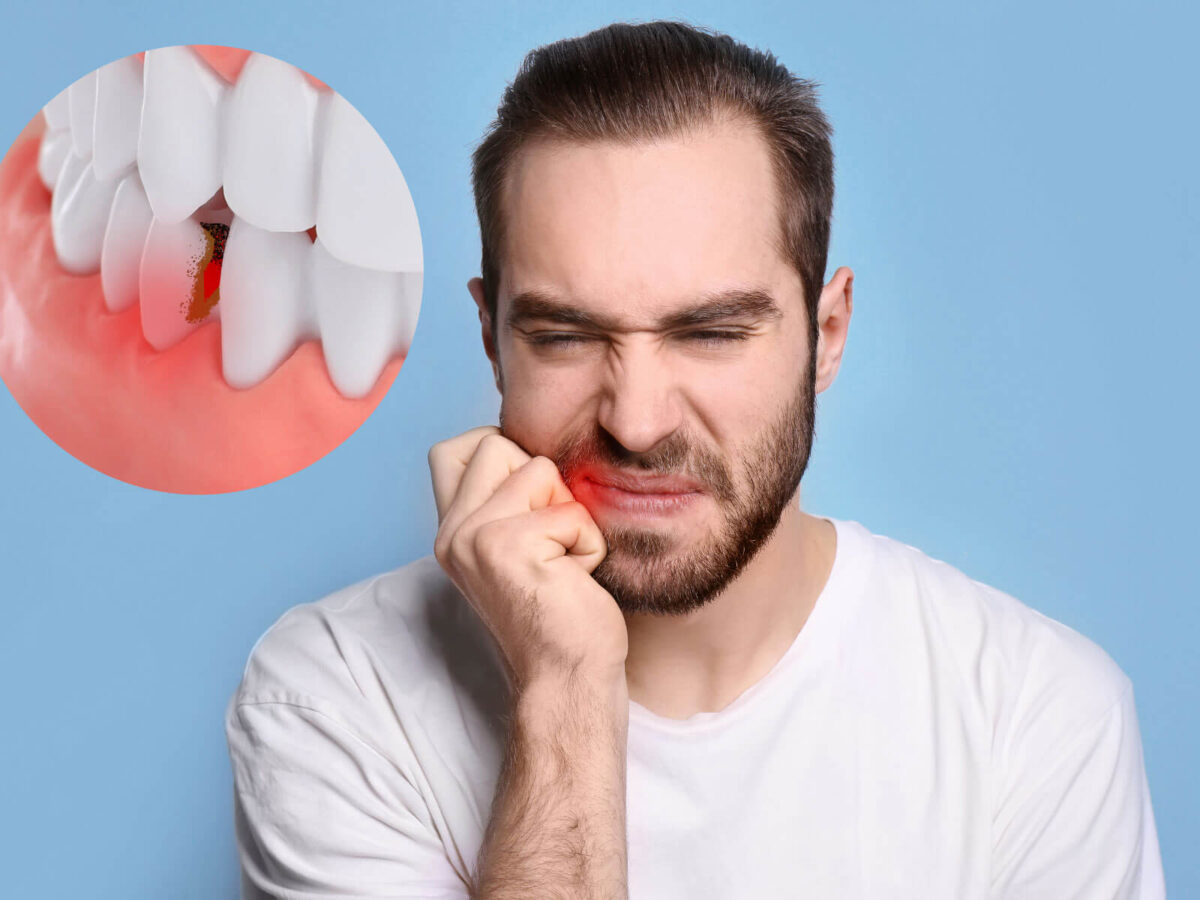
Tooth Attrition: Causes, Symptoms & Treatment
Nobody wakes up one morning with worn teeth. It happens over fifteen years, a fraction of a millimeter at a time, and the first thing most people notice is that their front teeth have gone flat along the edge.
The attrition of teeth describes wear from teeth hitting other teeth. Not acid, not your toothbrush. Enamel grinding against enamel until one or both sides give way.
A small amount is normal by middle age. The problem is that grinding turns a slow process into a fast one, and enamel doesn’t grow back.
TL;DR
- Attrition is tooth-on-tooth wear, separate from acid erosion and toothbrush abrasion.
- Grinding and clenching are the main accelerators, and most people who do it are asleep at the time.
- Watch for flattened edges first. Teeth that look shorter and yellow patches where dentine shows through tend to follow.
- Wear gets worse with age, and by seventy it’s severe in about one in five people.
- Treatment protects what’s left. A night guard first, then bonding or crowns to rebuild what’s gone.
What Is Attrition of Teeth
Two teeth rubbing against each other, thousands of times a day, for decades – that’s attrition of teeth. No acid involved, nothing external doing the damage. Just enamel touching enamel, again and again, biting after biting.
Every contact wears away a microscopic layer. On its own, one bite does nothing measurable. Repeated across tens of thousands of chews a year, for twenty or thirty years, it adds up to real, visible flattening on the biting surfaces.
It’s not automatically a problem. Some flattening by your seventies is just what teeth do after that many years of contact. The concern is when it happens faster or younger than that.
How Is It Different From Erosion and Abrasion
Erosion is chemical. Acid from soft drinks, citrus, wine, or reflux dissolves the mineral, and the damage shows up as smooth cupped hollows.
Abrasion is friction from something foreign, usually a hard toothbrush used aggressively, which notches teeth near the gumline.
Attrition leaves flat, shiny facets on the biting edges, and the facets on upper and lower teeth match each other exactly when you close.
Most worn mouths have all three running at once, which is why dentists look at pattern before cause.
What Causes It
Bruxism is the main driver of tooth attrition, and it’s a far bigger force than most people realize. Grinding and clenching load teeth with pressure well beyond what chewing ever produces, sometimes for hours at a stretch while someone sleeps and has no idea it’s happening.
An uneven bite compounds it. When some teeth make contact before others, those few end up absorbing a disproportionate share of the force from every single bite, day after day, long before anyone notices anything’s wrong.
Missing back teeth shift that load forward, onto front teeth that were never built to carry it. Small habits add to the total too – chewing ice, biting pens, an abrasive diet, wear that stacks up the same way grinding does.
How Common Is Worn Teeth, Really
More common than most people assume, and it’s common enough that dentists check for it as a matter of routine at every exam, not just when someone complains of sensitivity.
A systematic review found severe tooth wear rising from 3% of adults at age twenty to 17% by age seventy, a steady climb tied directly to decades of accumulated contact rather than any single cause.
Newer data backs this up at a larger scale. A retrospective study of 2,266 patients found tooth wear present in 54.7% overall, with attrition the single most common type at 24.1%, ahead of both abrasion and erosion.
What those numbers hide is how quiet the condition usually is. Most of it goes unmentioned at appointments, since worn teeth rarely hurt until dentine is actually exposed.
What Are the Early Signs You’d Notice
Your front teeth start by losing their slightly uneven edge, going flat across the top instead.
Cold sensitivity on the biting surfaces usually follows. That’s dentine underneath, no longer protected the way it used to be.
Yellow patches in the middle of a tooth, ringed by white enamel, are another marker. That’s dentine showing through, and it tells you roughly how far the wear has gone.
Small chips along the edges of front teeth show up early too. Thin, worn enamel doesn’t hold up the way it once did.
Why Do Your Teeth Look Shorter
Because they are. Severe attrition takes real height off the crown, and that changes how your whole face sits.
I’ve noticed it most in older patients: back teeth wearing down shortens the distance between nose and chin, even if only slightly, and it’s a big part of why some people look older around the mouth than their skin alone would suggest.
It’s gradual enough that old photographs usually make the case better than a mirror does.
Teeth Looking Flatter Than They Used To?
Get the wear measured before it reaches the dentine.
What Teeth Grinding Damage Happens Beyond the Teeth
The jaw joint takes on a load it was never built to sustain overnight. That usually shows up as clicking, trouble opening fully, or a dull ache right in front of the ear.
Muscles enlarge with the extra workload. Some long-term grinders end up with a visibly squarer jawline as the masseter thickens.
Existing dental work suffers first, often before the natural teeth show any real damage. A crown cracks, a veneer comes loose, a filling gives way. Whatever’s already weaker goes before the enamel does.
How Is It Diagnosed
Your dentist examines wear facets first and checks whether the upper and lower ones line up when you close. That alignment is what confirms attrition rather than erosion or abrasion.
Photographs and study models are taken so the same surfaces can be compared a year or two later. Progression matters more than any single snapshot.
Some practices now use intraoral scans instead of physical impressions. The scans catch changes far smaller than the eye ever could.
What Does Worn Down Teeth Treatment Involve
Protection comes before rebuilding, always. A custom night guard absorbs grinding force and stops further loss before it starts.
Exposed dentine gets fluoride varnish or a desensitizing agent, enough to make cold and sweet tolerable again.
Rebuilding comes next. Small chips or single teeth usually get composite bonding, moderate cost and easy to apply, though it won’t outlast a crown. For anything more extensive, crowns and onlays remove more of the tooth to place but hold up for years afterward. Most plans mix both rather than picking one, and getting the tooth attrition itself under control first is what makes either option hold up.
Can You Stop It Getting Worse
You can slow it considerably. A night guard only works if you actually wear it. One sitting in a drawer does nothing.
Stress is worth addressing if it’s driving the clenching. Same with caffeine and alcohol. Both feed into sleep bruxism, and cutting back is one of the few things you can actually control.
Watch acid exposure as well. Softened enamel wears down faster under grinding force, and the two problems make each other worse.
FAQ
Can worn enamel grow back?
Enamel has no living cells. So once it’s gone, it’s gone for good. Everything after that point comes from materials your dentist adds back.
Is some tooth wear normal?
Yes, and mild wear by middle age is expected. What matters is the rate, which is why your dentist compares over time.
Do night guards stop grinding?
They don’t stop the habit. They absorb the force so your teeth aren’t what gives way.
Will worn teeth cause pain?
Often not until dentine is exposed. Sensitivity to cold on the biting surfaces is usually the first symptom people report.
Conclusion
Attrition is a slow problem with a narrow window for cheap solutions. A night guard costs a fraction of what rebuilding a worn dentition costs, and it works if you actually wear it.
The tricky part is timing. Wear doesn’t hurt in the early stages, so most people arrive once tooth attrition is already visible, teeth already short and sensitive, and by then the conversation has moved to crowns.
Dig out a photograph of yourself smiling ten years ago and compare it with a mirror. If the edges of your front teeth look different, that’s worth an appointment before worn-down teeth treatment turns into full-mouth rehabilitation.
Find Out How Much Wear You Have
Get your teeth measured and protected before more enamel goes.

