
Blog
Dental hygiene tips for healthy teeth & gums
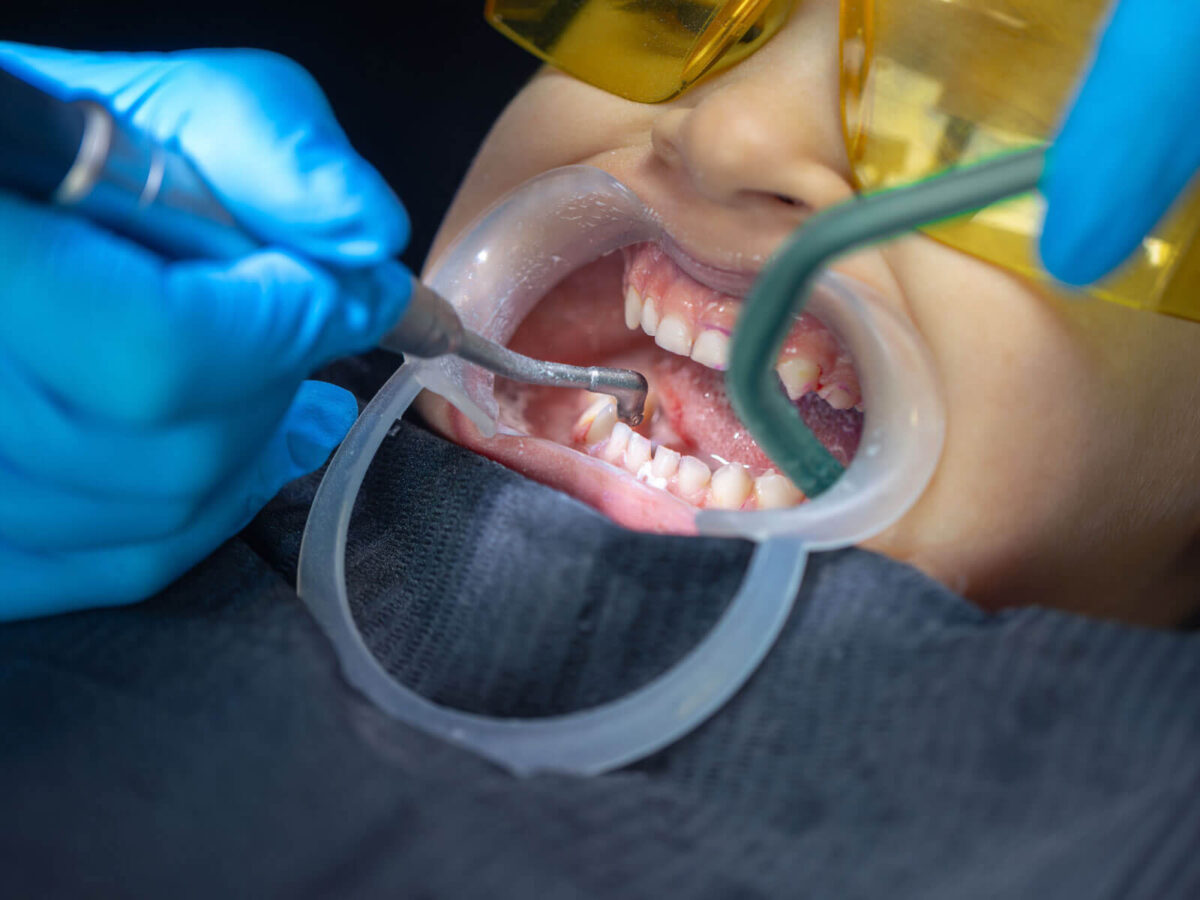
Does Dental Cleaning Damage Enamel? Separating Fact From Fear
I see this come up more than you’d expect. A patient hasn’t been in for a while, and when I ask why, it’s something like “I didn’t want the scraping to damage my teeth”. The sensitivity after their last cleaning felt like proof something was being worn away.
Does dental cleaning damage enamel? There’s actual research on this, and the answer is no. What follows gets into why the sensitivity happens, what cleaning does to the tooth surface, and where enamel risk in dental care actually comes from.
TL;DR
- Does dental cleaning damage enamel? No. Professional scaling pulls calculus and plaque off the tooth surface, and the enamel underneath stays untouched.
- Ultrasonic and hand scalers are built to fracture deposits, not cut into what’s below them.
- Post-cleaning sensitivity comes from dentin that was sitting under calculus for months suddenly exposed to air and temperature. Fluid shifts in the dentinal tubules do the rest. Enamel loss isn’t part of it.
- Does teeth cleaning damage enamel through polishing? Polishing takes off a thin pellicle layer that saliva rebuilds within hours. The effect doesn’t stick.
- Skipping cleanings to protect enamel ends up doing the opposite.
What Professional Teeth Cleaning Does to Tooth Surfaces
Professional cleaning breaks down into two parts, and they affect tooth surfaces in different ways.
Scaling removes calculus, mineralized bacterial deposits that harden onto the tooth surface and below the gumline over time. Once calculus forms, no amount of brushing or flossing gets rid of it. What breaks it loose is ultrasonic vibration and water irrigation. Hand scalers and curettes take care of what’s left. Neither tool is meant to cut into enamel. The calculus sitting on top is what they’re after.
Polishing typically follows scaling. A rubber cup with a mildly abrasive paste removes extrinsic stains and smooths the tooth surface. The paste clears the acquired pellicle, the thin protein film that coats teeth, along with any superficial staining. The quantity of tooth structure involved is negligible in clinical terms.
What Causes Sensitivity After a Professional Cleaning
Most patients interpret the sensitivity after a cleaning as proof that something got scraped off. The mechanism is simpler than that.
Calculus acts as a physical barrier over parts of the tooth surface, including areas of the root where the gum has receded slightly, and dentin sits closer to the surface. When calculus is removed, surfaces that were covered for months or years are suddenly exposed to temperature changes, air, and stimuli they weren’t previously in contact with. That’s where the sensitivity comes from.
Dentin tubules are microscopic channels that run through dentin straight to the nerve. Scaling can cause temporary fluid shifts inside them, especially around recession areas or cleaned root surfaces. Some patients get a sharp, brief sensitivity from that. It usually settles within a few days, sometimes a couple of weeks.
A study published via NIH found no clinically significant enamel loss attributable to professional scaling with ultrasonic or hand instruments in standardized testing. The sensitivity after a cleaning comes from exposure, not from enamel being removed.
Does Polishing Remove Enamel
Polishing pastes vary in abrasivity, and coarser grits remove slightly more of the outermost enamel surface along with the stain. The amounts are measured in microns. Spread across a lifetime of twice-yearly cleanings, it never reaches a level that registers clinically.
The ADA recommends selective polishing, applying paste only where stain removal is actually needed. Many practices already work this way, which reduces the surface effect further.
The pellicle that polishing removes rebuilds within hours from proteins in saliva. The effect doesn’t carry past the same day.
Where Does Real Enamel Damage Come From
What actually wears enamel down is usually happening outside the dental office.
Citrus, carbonated drinks, sports drinks, and wine all push oral pH below the point where enamel begins to dissolve. Regular exposure over months and years is where the measurable loss comes from.
Acid reflux brings gastric acid into the mouth during sleep, concentrating on the inner surfaces of upper front teeth and producing a characteristic erosion pattern. In patients with significant reflux, that alone can cause substantial enamel loss over time.
Brushing too hard is something the Cleveland Clinic flags as one of the more common causes of enamel abrasion and gum recession in adults. Years of a hard-bristled brush or abrasive whitening toothpaste will do more to enamel than any cleaning appointment.
Whitening products temporarily open up enamel permeability. Teeth get sensitive during the process and pick up stains more easily right after. A cleaning has no part in any of that.
What Happens When Cleanings Are Skipped to Protect Enamel
I see this pattern fairly often. A patient hasn’t been in for two or three years, and when I ask why, the answer is some version of: I didn’t want the scraping to damage my teeth.
What’s actually happened in that time is that calculus has been sitting on the tooth surface, feeding the bacteria that drive gum disease. Periodontal disease breaks down the bone and tissue holding teeth in place. A tooth lost to gum disease takes its enamel with it.
Decay follows the same logic. Heavy buildup gives decay-producing bacteria room to work, and a cavity that’s had a year or two to progress removes far more tooth structure than any hygienist would.
The CDC reports that nearly 47% of adults over 30 have some form of periodontal disease. Most of it is preventable. What put their enamel at risk wasn’t the cleaning they were avoiding.
What Actually Protects Enamel
Fluoride is what I point patients toward first. A professional treatment gets fluoride into the enamel crystal structure at a concentration that home products don’t reach. That’s what gives the surface a real edge against acid over time.
Frequency of acid exposure matters more than most people expect. Cutting back on how often teeth sit in an acidic environment does more than cutting the food out entirely. Rinsing with water after acidic food or drink helps reset that. Waiting before brushing does too. Enamel softens temporarily after acid contact, and brushing into that makes things worse.
Saliva is the part of this that gets overlooked the most. It buffers acid, remineralizes the surface between meals, and keeps the whole system in balance. Medications that dry the mouth out, chronic mouth breathing, not drinking enough water – all of it reduces what saliva can do, and enamel takes the hit quietly over time.
FAQ
Does dental cleaning damage enamel?
No. Scaling gets calculus and plaque off the tooth – the enamel underneath doesn’t get touched. Whatever polishing removes rebuilds itself from saliva within a few hours.
Why are teeth sensitive after a professional cleaning?
Calculus had been sitting over parts of the tooth surface, sometimes for a year or more. Take it off, and those spots suddenly feel everything – air, cold, pressure. That’s what the sensitivity is. Not enamel coming off.
Does polishing remove enamel?
Technically yes, in amounts measured in microns. Spread across twice-yearly cleanings over a lifetime, it never adds up to anything clinically significant.
What actually damages enamel?
Acid from food and drink, reflux, brushing too hard, grinding. Patients lose more enamel to their morning OJ than to a cleaning.
Conclusion
Does dental cleaning damage enamel? Patients who build their appointment schedule around that fear tend to end up with exactly the damage they were trying to avoid. Skipping professional cleaning produces more structural damage through calculus accumulation, periodontal disease, and decay than a cleaning ever could.
Does professional teeth cleaning damage enamel in any meaningful clinical sense? No. The sensitivity is real. But it means calculus came off surfaces that were covered for too long, not that enamel did
For Cypress patients who have been spacing appointments out over enamel concerns, what the research shows is fairly consistent. Calculus, bacteria, and untreated gum disease are what put enamel at risk. The cleaning was never the problem.
Enamel Protection Starts With a Cleaning, Not by Skipping One
Find out what’s actually happening with your enamel at your next appointment.

