
Blog
Dental hygiene tips for healthy teeth & gums
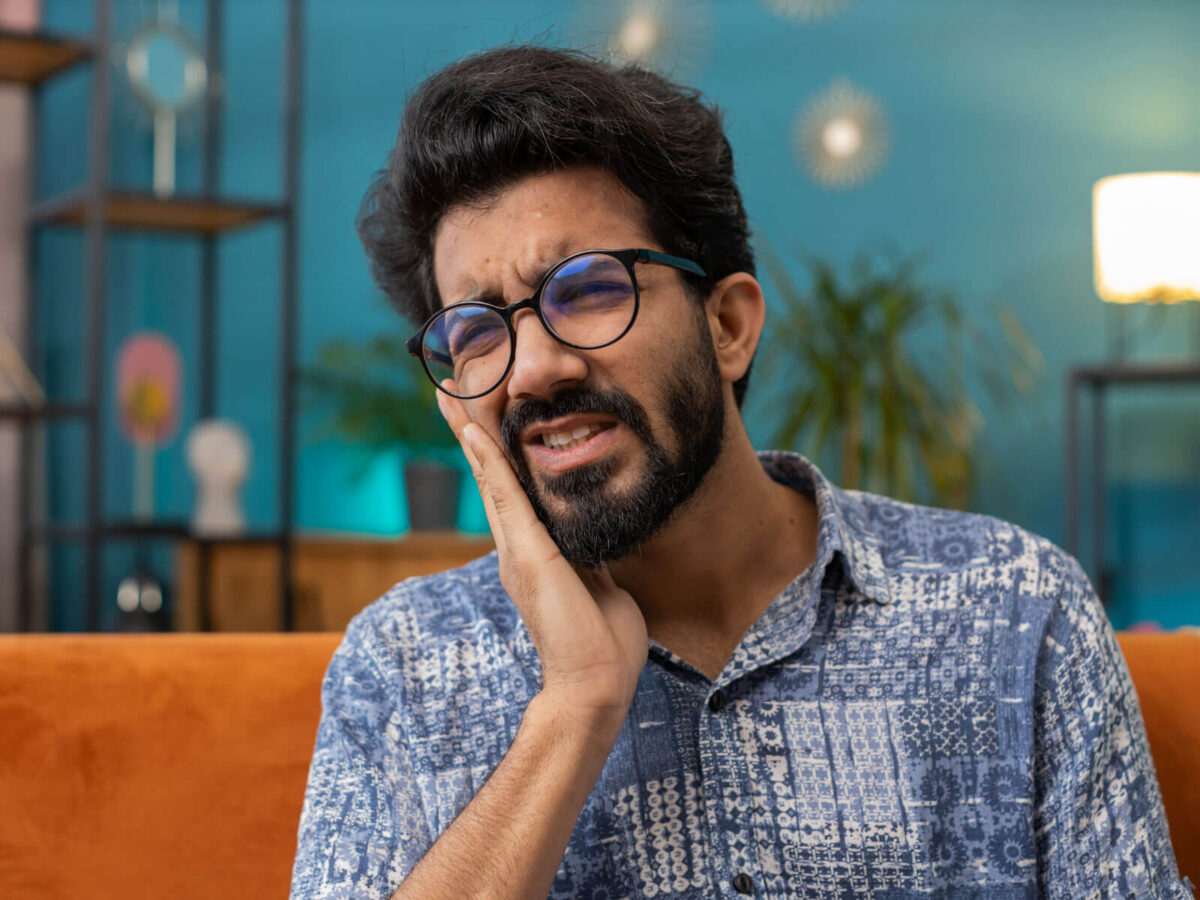
10 Everyday Foods That Are Quietly Damaging Your Teeth
Something I didn’t expect when I started looking into this was how many damaging foods get a health pass. Nobody warns you about citrus or dried fruit. I’ve spoken to people with real enamel damage who had no idea what was causing it. They were brushing, flossing, doing everything right. Foods bad for teeth are often the ones you’d never think to cut back on.
Why Do Everyday Foods Damage Teeth in the First Place
Someone I know got the enamel erosion news at what she thought was a boring routine cleaning. Completely out of nowhere. According to MouthHealthy, acid and sugar attack enamel in two different ways. Most foods that damage teeth hit both at once, and none of them taste like they’re doing anything.
The stuff that causes the most damage usually isn’t what people are watching out for. It’s the morning routine. The afternoon snack. The drink they’ve had every day for ten years. That’s where the erosion actually comes from, and most people don’t find out until a dentist shows them an X-ray.
1. White Bread – One of the Worst Foods That Damage Teeth
It doesn’t taste like anything dangerous. That’s the problem. I ate white bread for years without a second thought, and most people do. What happens in your mouth is a different story. Saliva converts the starch into sugar almost on contact, and the paste it creates sticks around in places a toothbrush doesn’t always reach.
Someone I know found this out secondhand. She switched to whole grains for her digestion, and her dentist flagged improved gum health at her next visit. She hadn’t mentioned the diet change to anyone.
2. How Do Citrus Fruits Quietly Erode Enamel
Citrus gets a complete pass because it’s healthy. Nobody’s told to think twice about it. But citric acid softens enamel on contact, and doing that every single day adds up in ways that don’t show until the damage is already done.
The juice version is actually worse than eating the fruit whole. Removing the fiber concentrates the acid and keeps it in contact with teeth longer. Most people drink it first thing in the morning on an empty stomach, which is about the worst timing possible.
3. What Makes Dried Fruit a Hidden Food Harmful for Teeth
The healthy snack label is the problem. Raisins, dried cranberries, and apricots — people eat these without a second thought because they come from fruit. What drying actually does is pull the water out and leave concentrated sugar behind in a texture that sticks to every groove and gap. It doesn’t rinse away easily, and it doesn’t clear quickly.
I’ve seen this one surprise people more than almost anything else. The ADA points out that sugary food, harmful for teeth, eaten slowly over time, gives bacteria a longer window to produce acid. Dried fruit eaten as an afternoon snack fits that description exactly.
4. Why Are Sports Drinks Considered Bad for Teeth
Sports drinks got rebranded as the responsible alternative to soda somewhere along the way. The swap usually isn’t as safe as it sounds. Healthline flags acidic drinks as a primary factor in dental erosion, and most sports drinks are hitting both sugar and acid at once. Most foods bad for teeth don’t come with this much marketing convincing you they’re fine.
5. How Does Ice Damage Teeth When It’s Just Frozen Water
Ice has no sugar and no acid, so most people assume it’s harmless. The damage comes from the physical force. Enamel isn’t built for that kind of force. The cracks don’t always happen dramatically. Sometimes it’s just slow weakening that shows up months later at a cleaning.
MouthHealthy is direct about this: chewing hard substances leaves teeth vulnerable to a dental emergency. Ice is one of the more underrated foods bad for teeth, precisely because it looks like nothing at all.
6. Why Does Coffee Count Among Foods That Damage Teeth
Most people think about coffee staining their teeth and stop there. The acidity is the part that gets ignored. I’ve had a slow morning coffee every day for years and only started thinking about what that actually means for enamel when I started writing about this stuff.
Sipping something acidic for over an hour is worse than drinking it quickly. The exposure just keeps going. Less saliva means the acid just sits there. Caffeine causes that. Most people don’t connect the two.
7. What Makes Potato Chips Surprisingly Bad for Teeth
Most people have never once thought about chips as a dental issue. No sugar, nothing obviously sticky. But the starch breaks down into sugar almost immediately, and the soft fragments pack into gaps a toothbrush won’t find. The ADA puts chips on the list of foods bad for teeth for exactly this reason.
Most people don’t floss after a snack. That residue just sits there. Six months later, a dentist points something out, and nobody thinks to connect it back to the afternoon chips.
8. How Does Alcohol Damage Teeth Beyond the Sugar
The sugar and acidity in most drinks is one thing. Alcohol also dries the mouth out completely, and that’s where the real problem is.
Saliva keeps acid from sitting on enamel unchecked. Someone I know noticed her teeth getting more sensitive during a stretch when she was drinking wine most evenings. She hadn’t connected it at all.
Red wine stains visibly. White wine is acidic enough to do damage without showing it. Most people who drink either regularly hear about it from their dentist before they notice anything themselves.
9. Why Are Tomatoes and Tomato-Based Sauces on This List
Nobody sits down to pasta and thinks about enamel. The tomatoes are healthy, and the meal feels balanced. What’s actually happening is acid landing on starchy carbs that are already breaking down into sugar. It’s one of the quieter combinations on this list.
Eating tomatoes as part of a bigger meal softens the impact. It’s the standalone snacking that causes the most trouble, and most people would never think to question it.
10. What Makes Hard Candy One of the Most Damaging Foods Bad for Teeth
Hard candy is basically sugar in contact with teeth for as long as it takes to dissolve. Most people don’t think about how long that actually is. A single piece can sit there for five minutes or more, and bacteria are converting that sugar into acid the entire time.
Biting down before it dissolves is the other issue. Someone I know chipped a tooth on a piece of candy she’d had plenty of times before. Completely out of nowhere.
FAQ
Are acidic foods always a problem?
Frequency matters more than the food itself. Daily citrus on an empty stomach is a very different situation from having it occasionally with dinner.
Is water really better than sports drinks?
Unless you’re doing something intense for over an hour, the electrolyte argument doesn’t hold up. It became a habit for a lot of people before anyone thought to question it.
My soda is sugar-free — is it still bad for my teeth?
The sugar is gone, but the acid isn’t. Still erodes enamel. Not the safe swap most people assume it is.
Should I brush quickly after eating something acidic?
Don’t. Brushing right after works against you. Enamel softens temporarily, and you end up scrubbing it off. Give it thirty minutes.
Conclusion
Foods bad for teeth don’t usually taste like a problem. Dried fruit, white bread, and the juice people drink every morning. Nobody’s warning you about those. Knowing which foods that damage teeth are already in your regular routine is more useful than any list of things to avoid completely.
A dentist can tell you what’s actually showing up in your mouth. Mention your diet at your next cleaning and ask which foods are most harmful to teeth for your situation. Most people leave that conversation knowing something they didn’t walk in with.

