
Blog
Dental hygiene tips for healthy teeth & gums
How Oral pH Levels Influence Tooth Decay And Sensitivity
Let’s Start With Something Simple
When was the last time you really thought about what’s happening in your mouth? Most of us don’t. We brush, maybe floss if we remember, rinse, and then we move on. Easy to forget there’s a lot going on we can’t see.
Your oral pH balance is one of those hidden things. Nobody notices it until it causes trouble. It’s like this quiet little scale, tipping a bit every time you sip soda, eat something sour, or even drink coffee. Over time, if it tips the wrong way too often, enamel starts to wear down, slowly, without you realizing it.
It isn’t just your teeth that get affected. Your gums notice too. They can get tender, red, or even start to bleed. Sometimes, little problems appear before you even notice. Brush regularly, floss often, and notice what you eat. With time, your mouth feels healthier, and your gums become stronger. Those annoying surprises? They show up less often.
So, What Exactly Is Oral pH?
pH is just a number. It shows if something is sour or more like soap. Zero is super sour. Fourteen is really basic. Seven is right in the middle.
Your mouth likes to sit a little above the middle. Around 6.8 to 7.2 is comfy. That’s when saliva does its job. It washes food bits away, calms the acids, and keeps your teeth from wearing down.
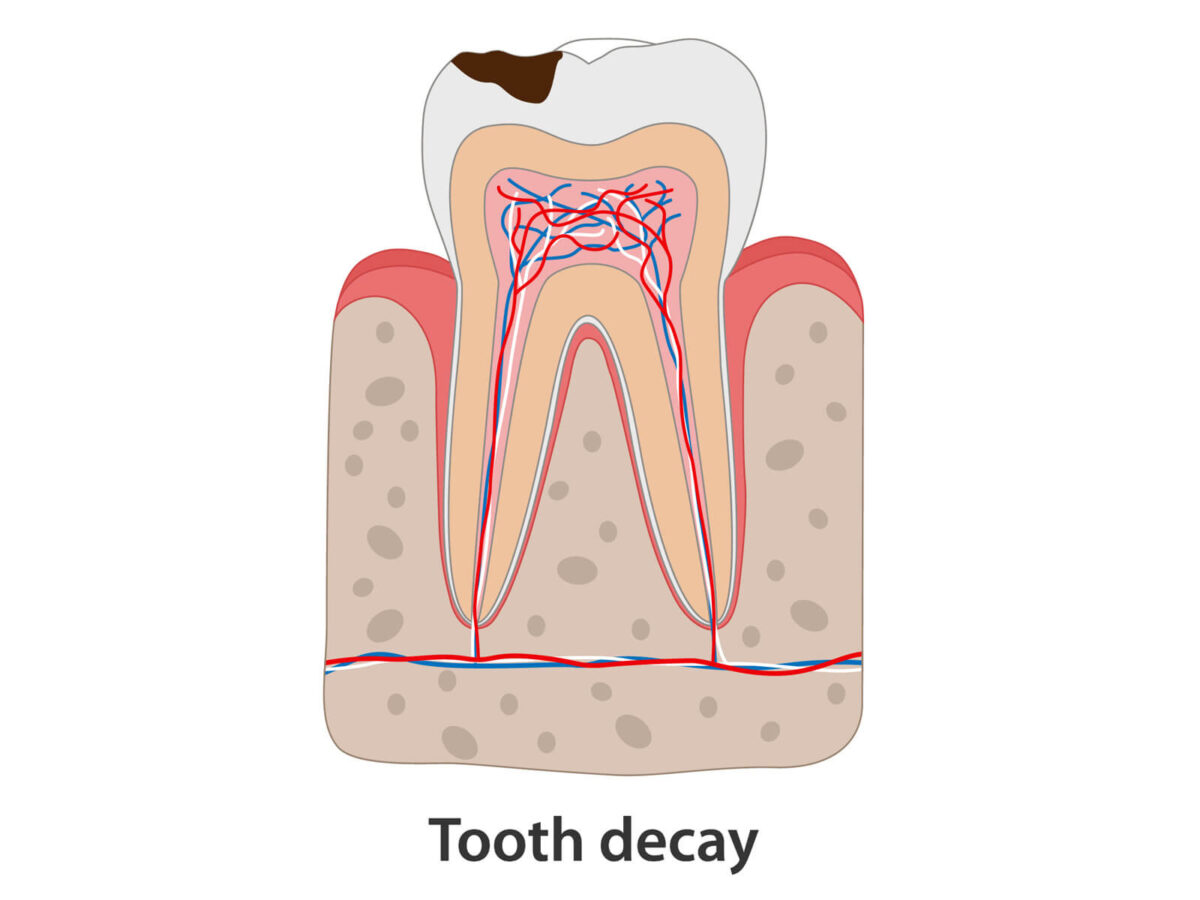
When it drops near 5.5 or below, enamel slowly starts wearing away. Slowly, little by little. Over time, that’s how cavities and sensitivity creep in.
The Role of Saliva
Saliva isn’t just spit. It’s your body’s natural defense system for your teeth.
Here’s what it does:
- Fights the acids that come after meals or snacks.
- Drops in calcium and phosphate to help teeth stay tough.
- Makes it harder for bacteria to hang around.
When your saliva turns too acidic, or there isn’t enough of it, your mouth loses some of its natural protection. That’s where cavities sneak in. It’s also why people with dry mouth often battle more dental problems.
Everyday Things That Shift Your pH
Most people don’t notice how much daily routines affect their teeth. Sweets, soda, candies? These things wear down your teeth slowly.
Citrus fruits can do it too, even if they seem healthy. Coffee and alcohol dry your mouth. Constant snacking? That keeps saliva from doing its job. Stress or some medications slow it down even more.
Sipping soda all afternoon is worse than just drinking it quickly and rinsing. Acid lingers. Teeth stay at risk. Paying attention to these habits helps. Brush. Floss. Let saliva work. Over time, your teeth and gums stay strong. Your smile lasts longer.
Why Acid Matters So Much
Enamel is tough. Even stronger than bone. But it can still wear down. Acid attacks start tiny. Bits of enamel slowly dissolve. Over time, those weak spots turn into cavities.
Acids also wear down the enamel, leaving dentin exposed. That’s when teeth feel sensitive. Sipping something cold or eating sweets can make teeth sting.
Think of enamel like a shield. Acids chip it away until it starts to crack.
Signs Your pH Balance Might Be Off
Sometimes your mouth becomes too acidic without obvious signs. You might notice cavities forming even with daily brushing. Your teeth might feel extra sensitive. Dryness can stick around most of the time. Bad breath might linger, no matter how much you rinse.
You could even spot smooth, shiny spots on your teeth from erosion. If any of this sounds familiar, it’s worth a visit to your Cypress Dentist TX. They can check what’s going on, maybe test your saliva, and help you get back to a healthier balance.
Can I Test It Myself?
Yes, you can try it at home. There are a few pH strips for saliva. They work a bit like the strips used for checking pool water. You place one in your mouth, hold it for a few seconds, and the color shows whether your saliva leans acidic or more neutral.
They aren’t perfect. One test doesn’t tell the full story. What matters more is what you see over a few days. If the strip keeps showing acid, that’s a clue your mouth could use some extra care. It’s more about the trend than a single number.
How Dentists Deal With Acid Issues
Going to a Cypress Dental Office TX with cavities can be frustrating. Dentists don’t just fix teeth. They try to find the reason behind the damage. Usually, a cleaning comes first to remove plaque and tartar, the stuff bacteria feed on. Fluoride treatments can make enamel stronger. Some teeth might get sealants for extra protection.
What someone eats and how they take care of their teeth matters. The right toothpaste or rinse can help rebuild enamel. Sometimes hidden issues, like acid reflux, are checked because they can wear teeth down over time. It’s not just about fillings. It’s about keeping the whole mouth healthy.
Small Tweaks That Help Rebalance
No need to change everything at once. Just a few small steps can help. Drink water after meals. Rinse after acidic drinks. Plain water works too. Chew sugar-free gum to get saliva moving. Don’t brush right away after something acidic. Wait about half an hour, enamel is soft then. Snack less, so saliva has time to work. Include more leafy greens and cheese. These habits help keep the mouth more neutral.
Sensitivity: The Direct Result of Acid
A lot of people with sensitive teeth are actually feeling the effects of prolonged low pH. When enamel thins, the dentin beneath gets exposed.
Cold, heat, sweets—anything can trigger pain.
Treating sensitivity isn’t just about using “sensitive toothpaste.” It’s about addressing why enamel is thin in the first place. If the cause is acidic saliva, then strengthening and protecting enamel becomes the core solution.
Why This Matters More Than You Think
It’s easy to shrug off “pH talk” as too technical. But here’s the reality: controlling acid levels in your mouth is one of the biggest ways to prevent dental problems before they even start.
Fewer cavities. Less sensitivity. Lower risk of gum issues. Even fresher breath.
Your smile lasts longer when your oral environment stays balanced.
Final Word
If cavities keep showing up despite brushing, or if sensitivity is a constant issue, don’t just accept it. It’s not “bad luck teeth.” It’s usually about chemistry.
The good news? You can shift that chemistry in your favor. Start with water, smarter snacking, and regular checkups. And when in doubt, sit down with a Cypress Dentist TX.
At a trusted Cypress Dental Office TX, they’ll look deeper—sometimes literally testing your saliva, other times just spotting the pattern—and build a plan to protect your enamel.
Acid may be invisible, but the damage it causes isn’t. Balance your pH, and you protect your smile for years ahead

