
Blog
Dental hygiene tips for healthy teeth & gums
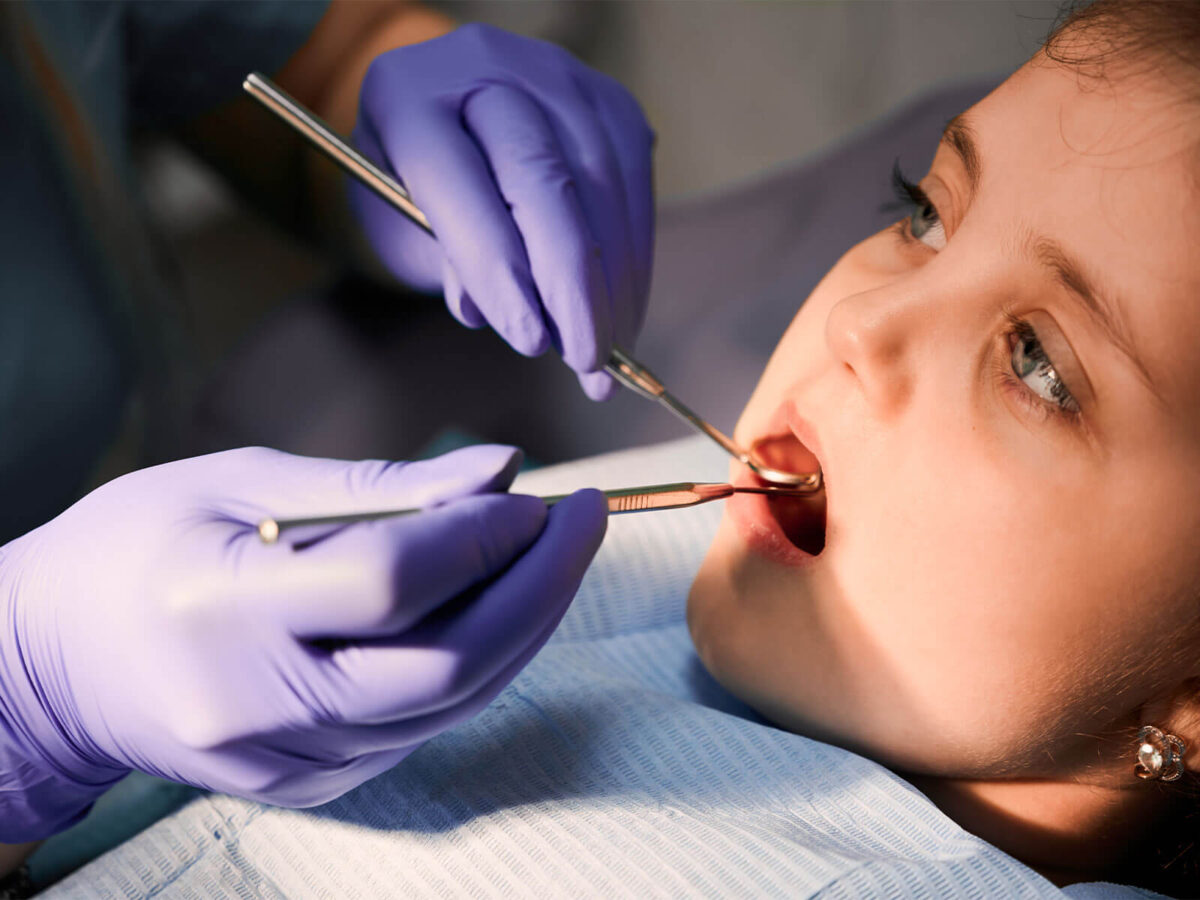
How Long Do Teeth Sealants Last? Duration, Benefits & Care Tips
Dental sealants often sound very simple at first. A thin layer, a short visit, and some added protection for the teeth. Since the process feels quick and straightforward, people sometimes assume the results won’t last very long either. That’s where confusion usually starts.
Dentists hear how long do dental sealants last all the time, often from parents trying to decide if that extra step is really worth it.
Sealants are built to hold up, just not permanently. How long sealants hold up depends on placement, daily habits, and the regular wear that teeth face over time. Learning how long do dental sealants last helps people keep realistic expectations.
Why Sealants Are Used In The First Place
Sealants are mostly used on the back teeth, since those teeth are not smooth on top. They have small dips and narrow lines where food can get stuck and sit longer than you would expect. Brushing helps, but it does not always reach everything.
After a sealant goes on, it rests in those areas and stays there. The tooth feels smoother, helping brushing feel easier with time. Nothing about the tooth really changes. It just becomes less of a trap for food. That is why kids get sealants more often, though adults with similar grooves can get them too.
So, How Long Do Teeth Sealants Last
The short answer is that sealants can last several years. The longer answer is more useful. Most sealants last anywhere from five to ten years. Some last even longer. Others wear down sooner.
That range exists because mouths are not identical. Bite pressure and oral hygiene affect how long do teeth sealants last in real life.
Sealants do not usually fail all at once. They wear gradually. Small areas may thin out before the rest. That slow wear is why regular dental checkups matter.
What Affects How Long Sealants Stay Intact
How a sealant goes on makes more of a difference than people usually expect. If the tooth is clean and dry, it tends to sit better and stay put longer. Small things during that moment can matter later, even if no one notices them right away.
Habits come into play, too. Grinding teeth or chewing on hard stuff can wear sealants down faster over time. That does not mean they stop helping. It usually just means they need to be checked once in a while instead of being forgotten.
What you choose to eat is important, too. Eating sugary foods often or snacking a lot adds extra strain on teeth over time. Sealants help, but they still deal with daily pressure like everything else. All of this is why “how long does sealant last on teeth” can look different from one person to the next.
Do Sealants Fall Off Or Wear Away
Most sealants do not just pop off one day. They tend to wear down slowly instead. Small areas can chip or thin out, and a lot of people never even notice because nothing feels different.
These changes usually get noticed during normal checkups. If a sealant looks a bit worn in one spot, it does not always mean starting over. A small fix is often enough.
That kind of wear is normal and expected. It does not mean the sealant failed. It usually means it helped for as long as it could, which is the whole point.
How Dentists Check Sealant Health
Sealants are usually looked at during normal visits, mostly just by checking how they look and feel. Sometimes a tool is used lightly, nothing intense, just to see if anything has changed. Things like thinning or small, worn spots are easy to notice that way.
X-rays are not really about the sealants themselves. They are more useful if there is a concern underneath the tooth, just to make sure nothing else is going on. Most of the time, they are not even needed for this part.
Since sealants are clear or close to the tooth colour, a lot of people forget they are there. That is not a problem. Regular visits usually catch small changes before they turn into anything serious.
What Sealants Still Do, Even After Some Wear
Even worn sealants can still provide protection. A little coverage is still helpful, especially when the grooves are deep. Sealants have been around long enough to show that they can lower cavity risk, often for several years at a stretch. That benefit does not disappear overnight when wear begins.
This is an important part of understanding how long do dental sealants last. Their protective effect often outlasts their perfect appearance.
Sealants For Children Versus Adults
Sealants often get added for kids not long after the back teeth come in. Those teeth are still pretty new, then, and they haven’t really gone through years of chewing yet. Putting sealants on during that time just adds a bit of extra coverage while everything is still settling in.
Adults sometimes get sealants later on. In many cases, they hold up just as well, and sometimes even longer, since adult teeth are fully formed and a bit more settled.
That is why age by itself does not decide how long do teeth sealants last. Everyday habits and how the teeth are used usually matter more.
Can Sealants Be Replaced
Sealants are fairly easy to fix or adjust if needed. The process is usually simple and does not involve drilling or numbing, which surprises a lot of people.
If a sealant wears down in certain spots, it is often built back up rather than taken off completely. That helps keep things covered without much interruption. Because of that flexibility, sealants tend to be seen as low risk with a lot to gain.
Care Tips That Help Sealants Last Longer
Daily cleaning still makes a difference, even though sealants cover certain spots. Keeping teeth clean overall helps more than people usually think. Chewing on ice, pens, or other hard things can wear stuff down over time. Teeth feel it, and sealants do too.
If grinding happens, a night guard can take some of that pressure off while you sleep. Regular visits matter as well, mostly because sealants tend to hold up better when they are checked once in a while instead of forgotten. All of these everyday habits play a role in tooth sealant, and how long does it last, often more than people expect.
What Sealants Do Not Do
Sealants do not protect smooth surfaces between teeth. Flossing is still necessary. They also do not repair existing cavities. Sealants prevent decay. They do not treat it.
Understanding these limits helps avoid unrealistic expectations about how long do sealants last and what they can accomplish.
Signs A Sealant May Need Attention
Roughness on chewing surfaces. Food is catching more often. A dentist mentions thinning during an exam.
Pain is not a typical sign of sealant wear. By the time pain appears, decay may already be present. That is why routine exams are more reliable than symptoms.
Conclusion
The question how long do dental sealants last comes up a lot, though it does not have a fixed answer. They often last for a good stretch of time, and in some cases, they fade into the background without much attention.
They are not forever, but they are steady. If there is any doubt about how long do sealants last on your teeth, a quick look usually clears things up.

