
Blog
Dental hygiene tips for healthy teeth & gums
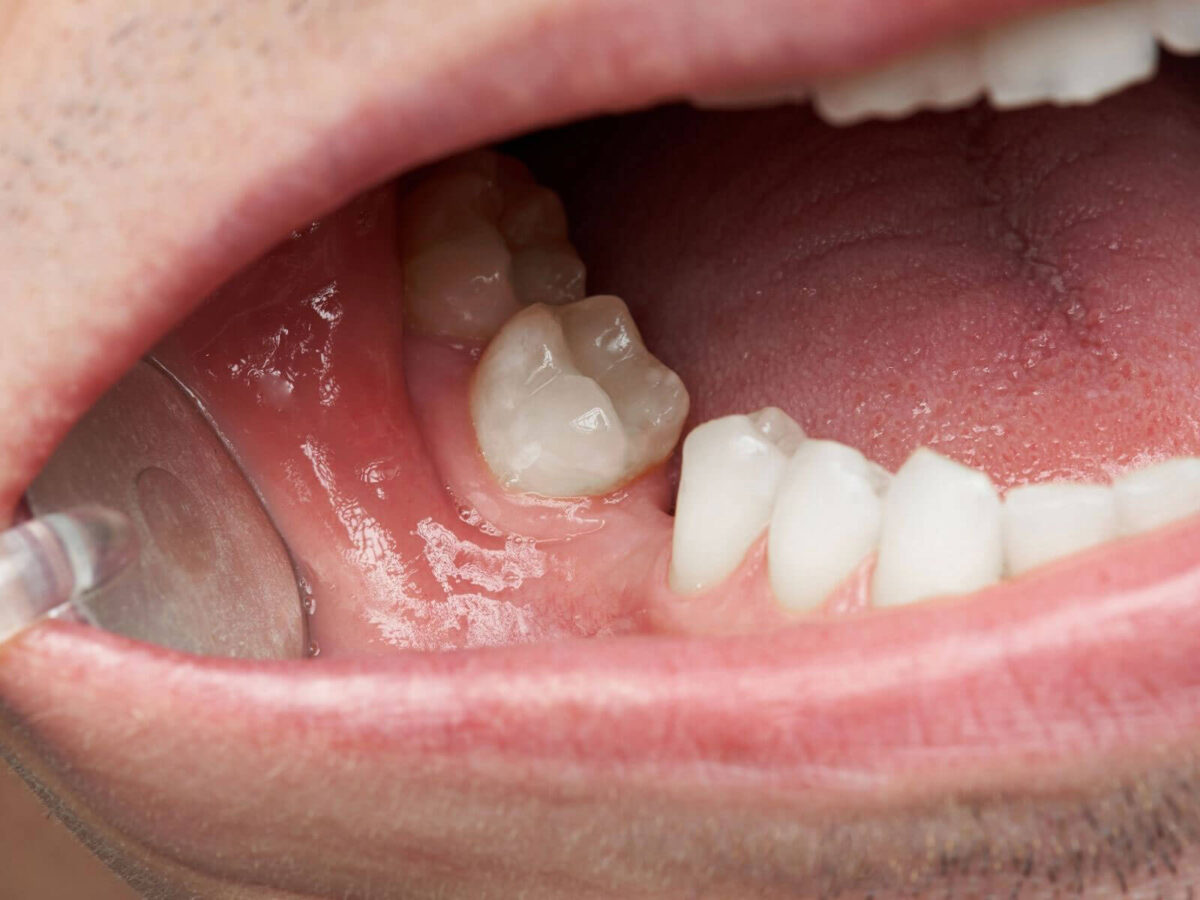
5 Signs You Might Need a Tooth Pulled
Teeth usually live their days quietly. They sit in their place without asking for attention, working through each meal and moment without letting much show on the surface. Then at some point, something small shifts. It can begin as a feeling you haven’t had before, a weight in one spot, or a warm patch that rises and settles again. These small signs may relate to when does a tooth need to be pulled, though they rarely feel serious right away. They show up gently, like the tooth is unsure about asking for help.
People often wait for sharp pain to decide something is wrong, but the mouth does not always communicate that way. Many of the early signs drift in quietly. They linger. They repeat themselves. They blend into the day and then return when the jaw rests. Understanding these early shifts helps show when a tooth may be reaching a point where staying in place is no longer healthy.
A Tooth That Feels Heavy or Tired
A tooth sometimes begins to feel as though it is carrying its own weight differently. The feeling does not always hurt. It may not even feel sharp. It just feels tired, as if the tooth is working harder than the others for no clear reason. This slow pressure often rises at night or during moments of rest. It may fade with the morning, then settle in again later.
This kind of heaviness becomes one of the gentle clues among the signs a tooth needs to be pulled. The deep structures inside the tooth may be weakening. Infection or decay might have moved into an area the tooth can’t handle anymore. The ache isn’t sharp. It’s mild, but it hangs around. And teeth rarely feel tired unless something deeper is changing.
Swelling That Gathers Around One Tooth
Sometimes the gum around a single tooth begins to look fuller than usual. It may rise slightly, holding warmth inside it. The swelling begins as something soft, then grows more noticeable within a day or two. It isn’t usually sharp pain, just a kind of pressure that feels off. This swelling may appear and then soften, only to return again when the area is touched or the jaw tightens during sleep.
This quiet rise in the gums can point toward when does a tooth need to be pulled because swelling shows that the tissue is reacting to something deeper, something it cannot settle on its own. Infections inside the tooth create small pockets that press against the surrounding gums. Sometimes a faint taste appears when the pocket tries to drain. These signs do not go away permanently without treatment. They often return until the source is removed.
Movement That Was Never There Before
A tooth that starts to shift, even by a small amount, gives an early warning. Teeth usually stay firm. They sit in the bone with support that doesn’t move. When one begins to wiggle or push in a new direction with gentle pressure, it hints that the structures holding it have weakened.
This type of change becomes one of the clearer signs you need a tooth pulled, especially when infection or long-term inflammation has thinned the gum and bone. The tooth tries to stay in place but can’t hold steady. At first, the shift may feel tiny, something only the tongue picks up. Later, it may be more obvious when chewing. Once the base loses strength, the tooth rarely regains firmness without stronger treatment.
An Infection That Returns After Seeming to Settle
Sometimes a tooth feels normal for a while after treatment. The swelling fades. The tenderness softens. The mouth feels balanced again. Then weeks later, the same discomfort returns in the same place. A small pulse of warmth. A swelling that rises and falls. A soreness that returns in the same rhythm as before.
Recurring infections reveal another quiet sign among the signs a tooth needs to be pulled because the bacteria have found a space deep inside the tooth that treatment cannot fully reach. When an infection comes back, it may show that the inner tooth structure is damaged beyond repair. Medicine can calm the flare-up. It can’t fix the source. If the infection moves into the root or bone, taking the tooth out gently may be the best way to protect the surrounding tissue.
When a Broken Tooth Can’t Be Fixed
Teeth can crack slowly or break in a quick moment while chewing. Some cracks stay on the surface and can be treated. Others run deeper into the root or centre. When a break reaches the tooth’s inner support, the whole structure weakens. From the outside, it might seem repairable, but the inside may be split past the point of holding any restoration.
A sharp break or a tooth that moves in a new way is often one of the signs you need a tooth pulled because the remaining structure can’t stay together. It shifts under pressure or traps food in places that bother the gum. Deep cracks don’t close. They widen and let bacteria enter. Once the tooth is removed, the infection doesn’t keep moving, and the other parts of the mouth stay better protected.
Why Teeth Reach a Point Where Removal Is the Healthiest Choice
Teeth go through a great deal in a lifetime. They face temperature changes, pressure, grinding, and the small hits that collect over time. They protect themselves well, but once the inner layers or supporting bone weaken too much, they cannot find their way back. Understanding when does a tooth need to be pulled becomes clearer when looking at how these pieces fit together.
A tooth that cannot heal becomes a place where bacteria gather. A loose tooth places strain on surrounding teeth. A broken tooth exposes the deeper layers to infection. Removal does not mean giving up on the tooth. It means protecting the health around it so the mouth stays steady and balanced.
Noticing the Soft Signs Before They Grow
Most teeth don’t fail in a single moment. They leave small clues before things get serious. A tired feeling in the tooth. A swelling that rises, settles, then returns. A shift that feels new when you bite down. When these signs keep repeating, they start to make more sense.
Understanding these early hints of when does a tooth need to be pulled can prevent severe pain, deeper infection, or long-term damage from settling in. Paying attention to these quiet changes lets care begin sooner, when treatment feels calmer, and healing comes with far less strain.
Ready to Understand What Your Tooth Is Telling You
A quiet visit with a dental professional can help reveal whether a tooth can be saved or whether removal brings comfort and protection. The mouth gives small signs. Listening to them keeps the rest of the teeth steady for years ahead and gives clearer guidance when early changes feel easy to overlook in daily routines.

